I. Project Background
The semiconductor industry encompasses a broad spectrum of technological domains involving the research, development, production, and application of semiconductor materials. Semiconductors represent materials capable of conducting electricity under specific conditions, playing a critical role in electronic devices. This industry spans the entire process from chip design to manufacturing, including the development and production of integrated circuits, memory devices, sensors, optoelectronic components, and related products. With continuous technological advancement, the semiconductor sector demonstrates persistent innovation. The rapid development of emerging technologies such as artificial intelligence, Internet of Things, and 5G communication systems has imposed increasingly stringent requirements on semiconductor manufacturing capabilities. This progression not only drives information technology forward but also exerts profound impacts across the entire global economy, making semiconductor technology a cornerstone of modern industrial development and digital transformation.
II. Ultra-Pure Water Quality Standards and the Semiconductor Industry
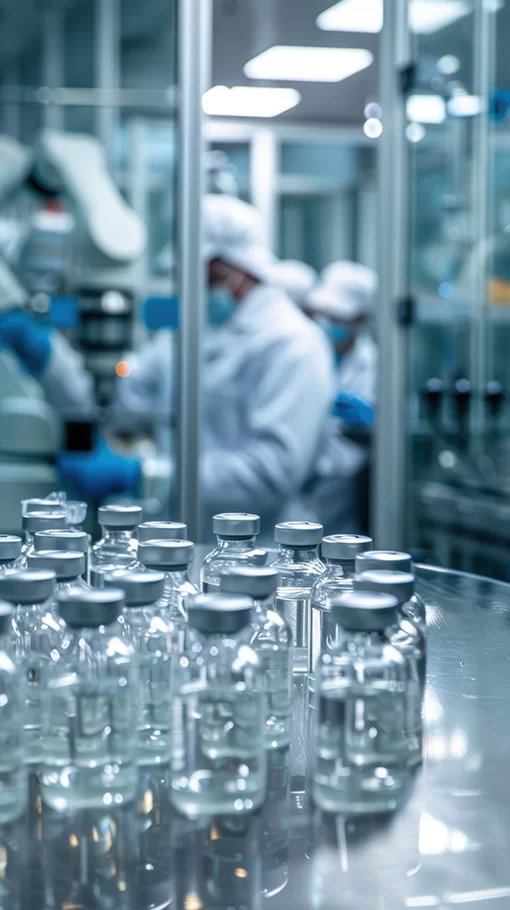
Semiconductors constitute materials exhibiting electrical conductivity between conductors and insulators, characterized by intermediate conductivity at room temperature that can be modulated through external conditions including temperature variations and electric fields. These materials find extensive applications in electronics and optoelectronics, with common semiconductor materials comprising silicon, gallium arsenide, cadmium telluride, gallium nitride, and indium selenide. These substances serve fundamental roles in electronic device manufacturing, particularly in integrated circuits, solar cells, and laser systems. Within semiconductor manufacturing, ultra-pure water represents an essential raw material requiring exceptional purity standards. Contemporary semiconductor industrial requirements for ultra-pure water quality parameters frequently exceed national standards for electronic-grade water, particularly regarding resistivity, dissolved oxygen, and Total Organic Carbon (TOC) specifications. Compared to other industrial applications, semiconductor-grade ultra-pure water demands more rigorous purification technologies to address contaminants including particulate matter, organic compounds, and ionic impurities through advanced treatment methodologies.
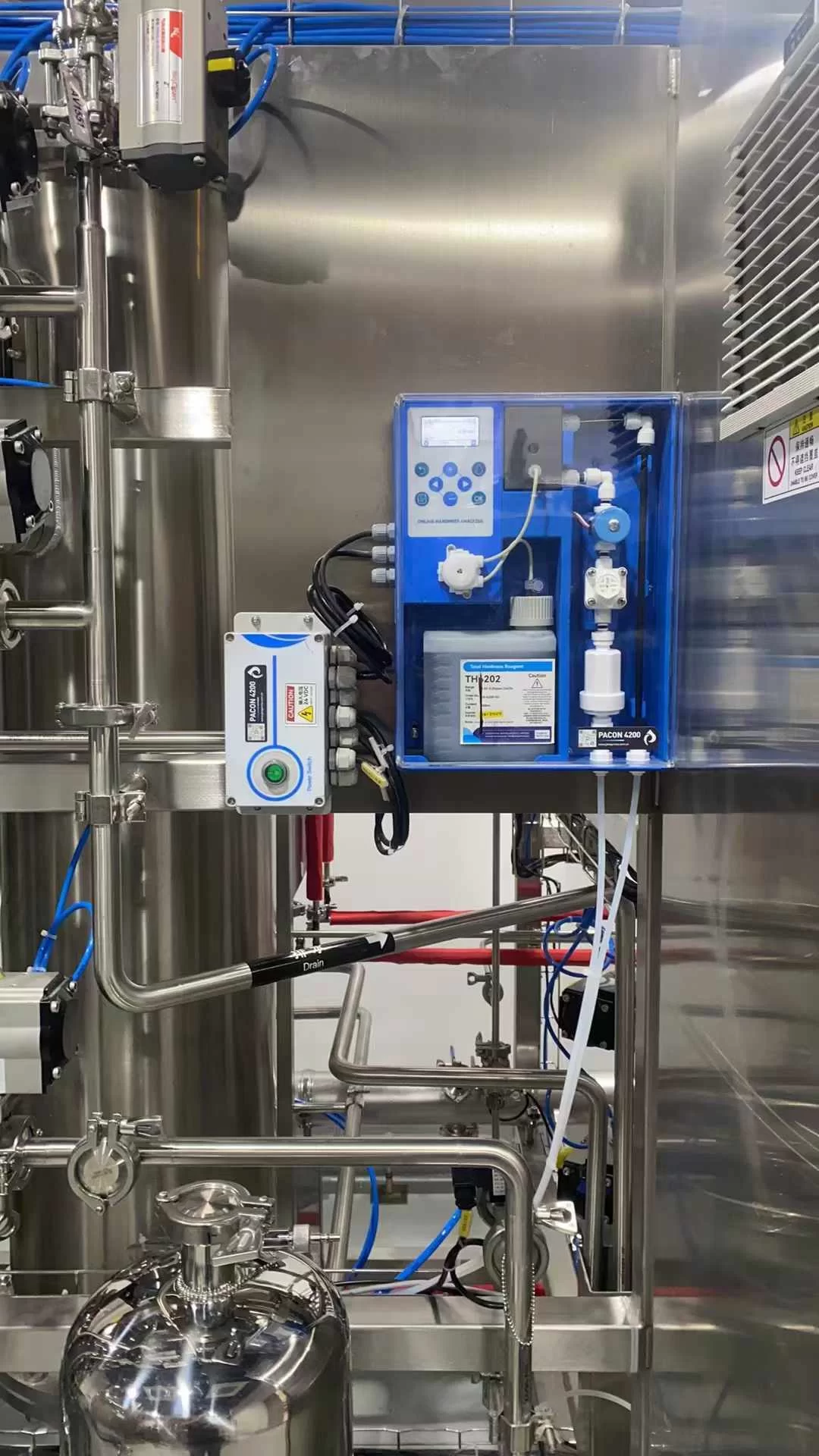
III. Pure Water Equipment and Online Water Quality Analyzer Applications
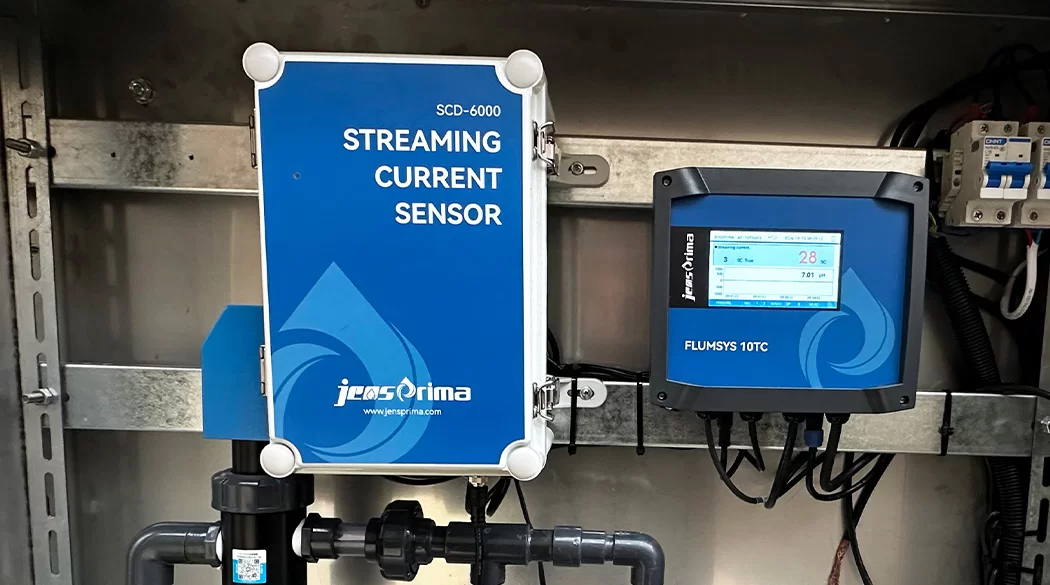
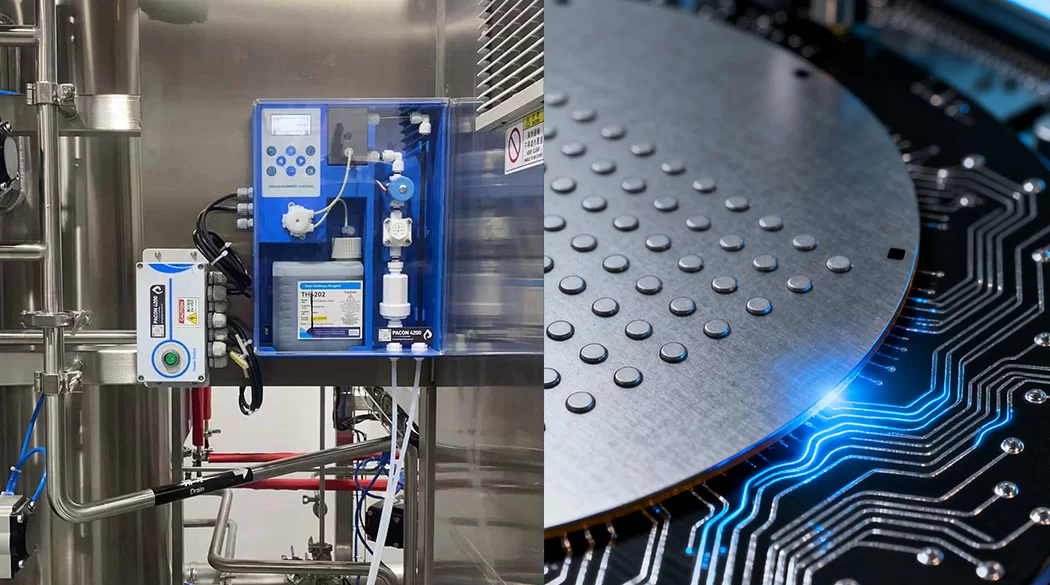
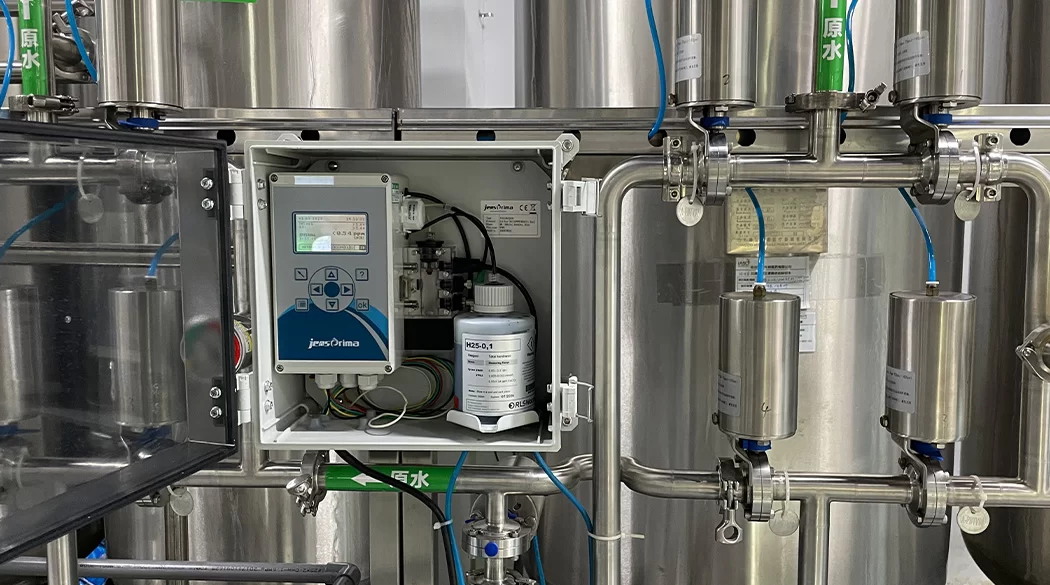
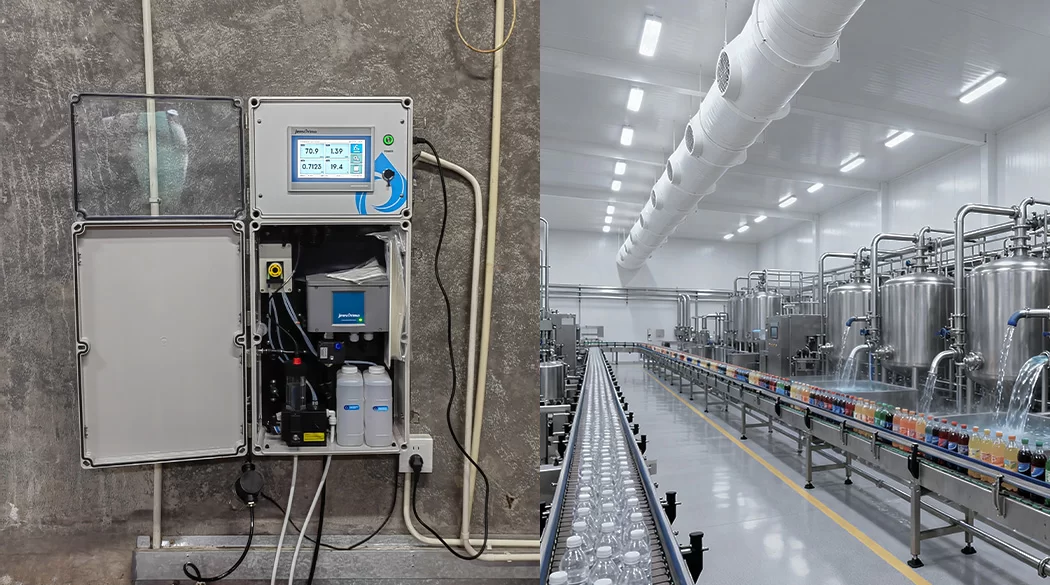
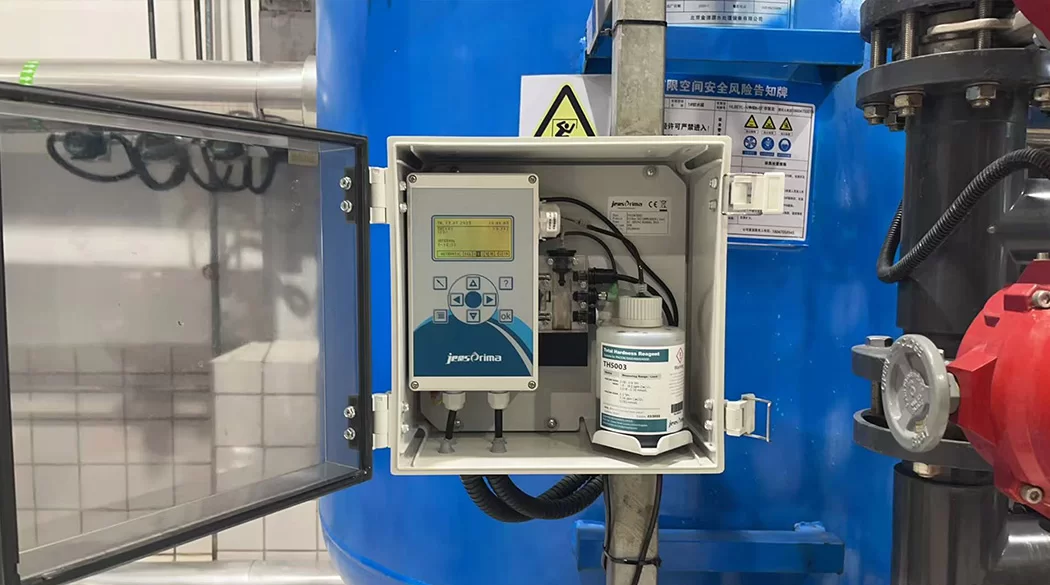
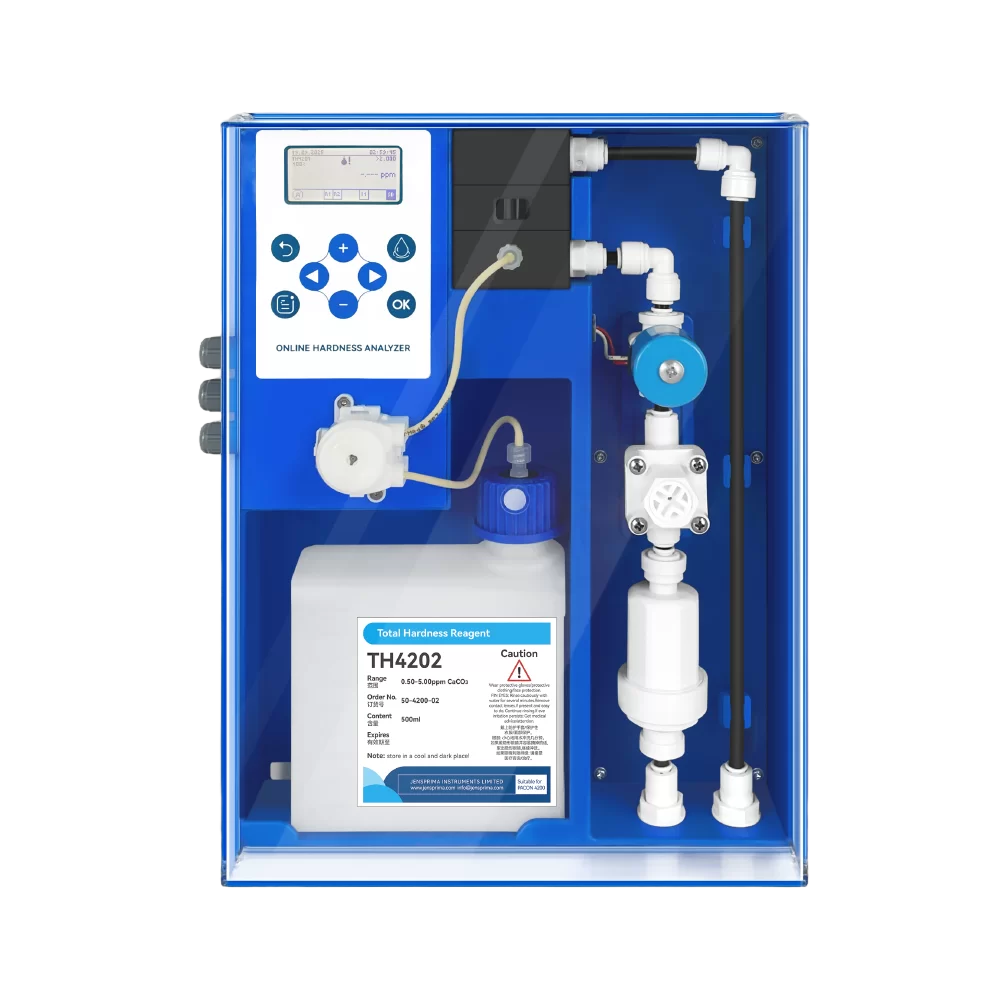
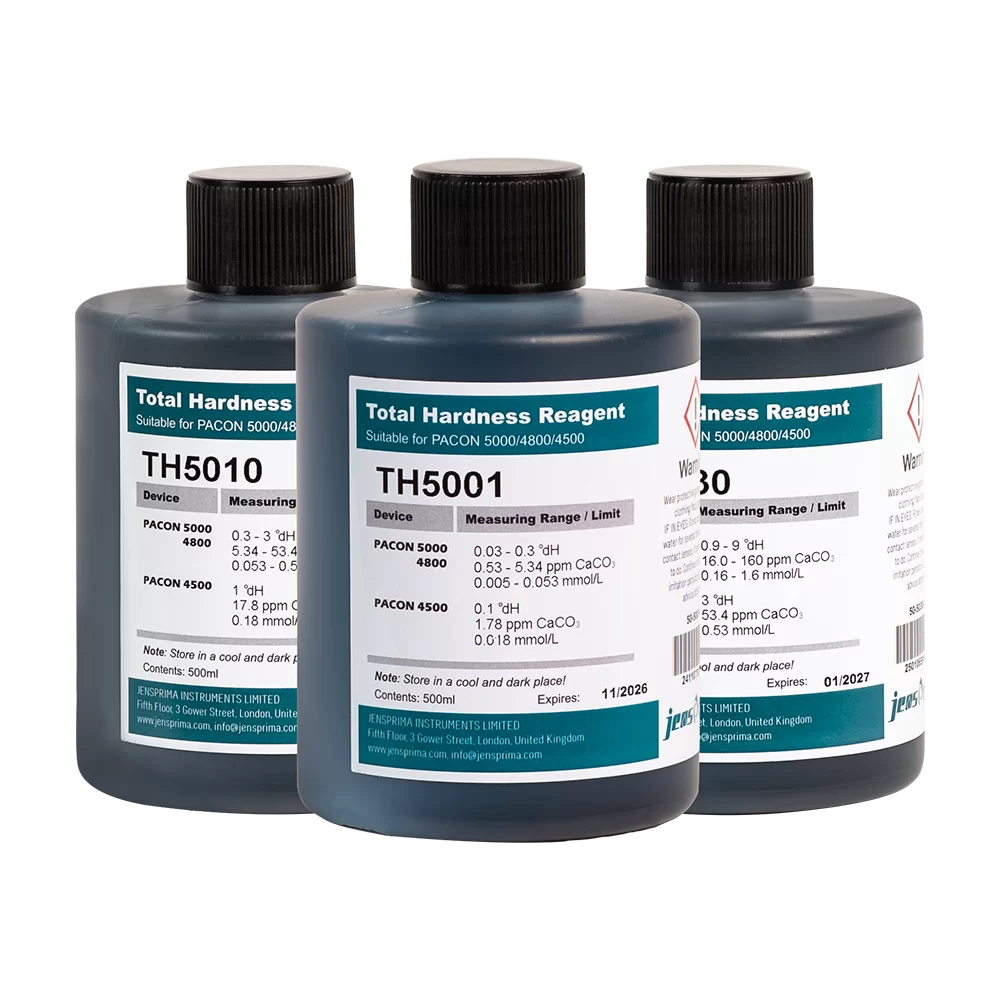
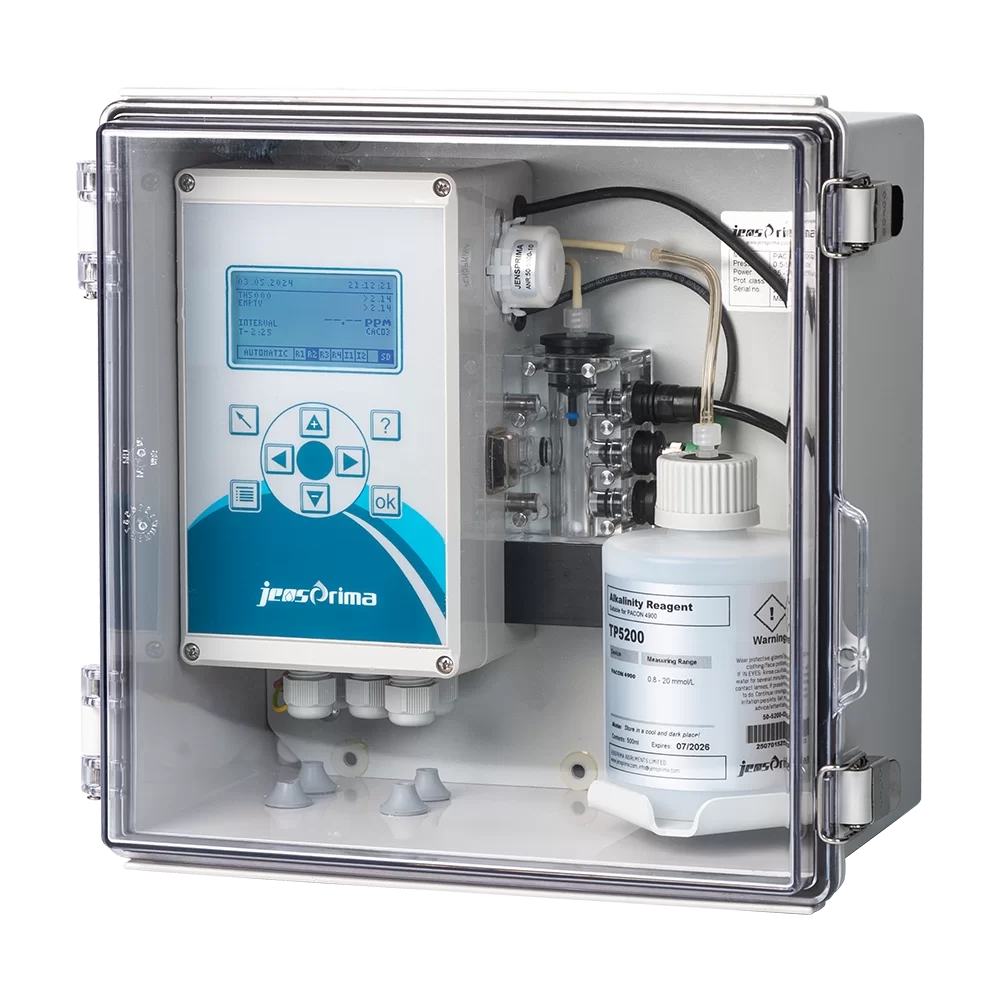
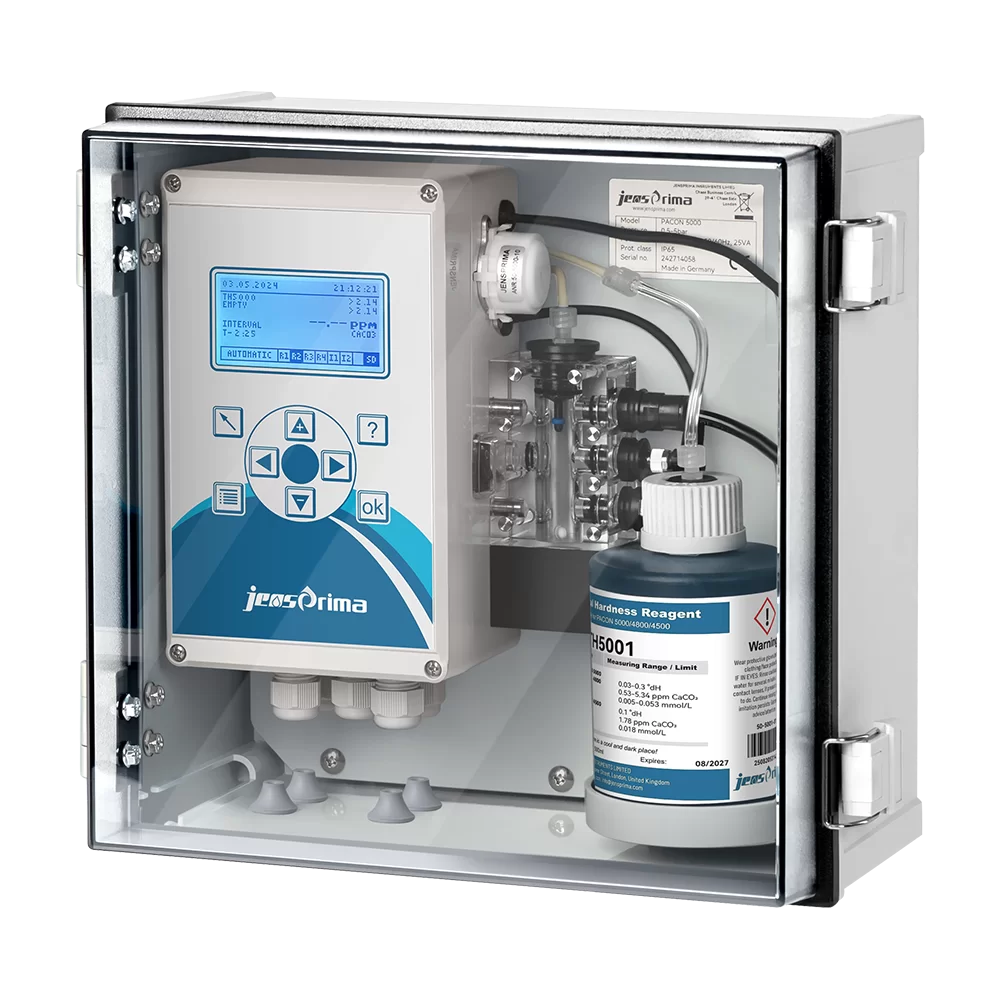
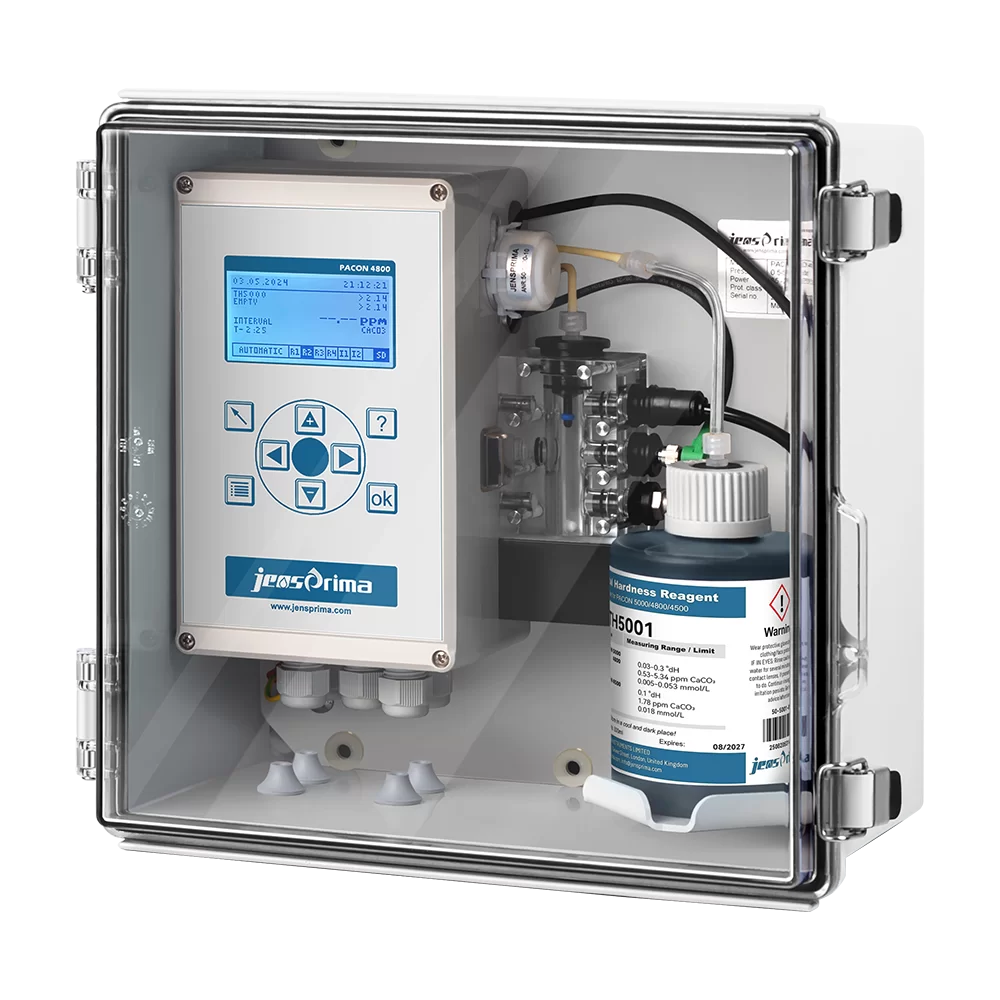
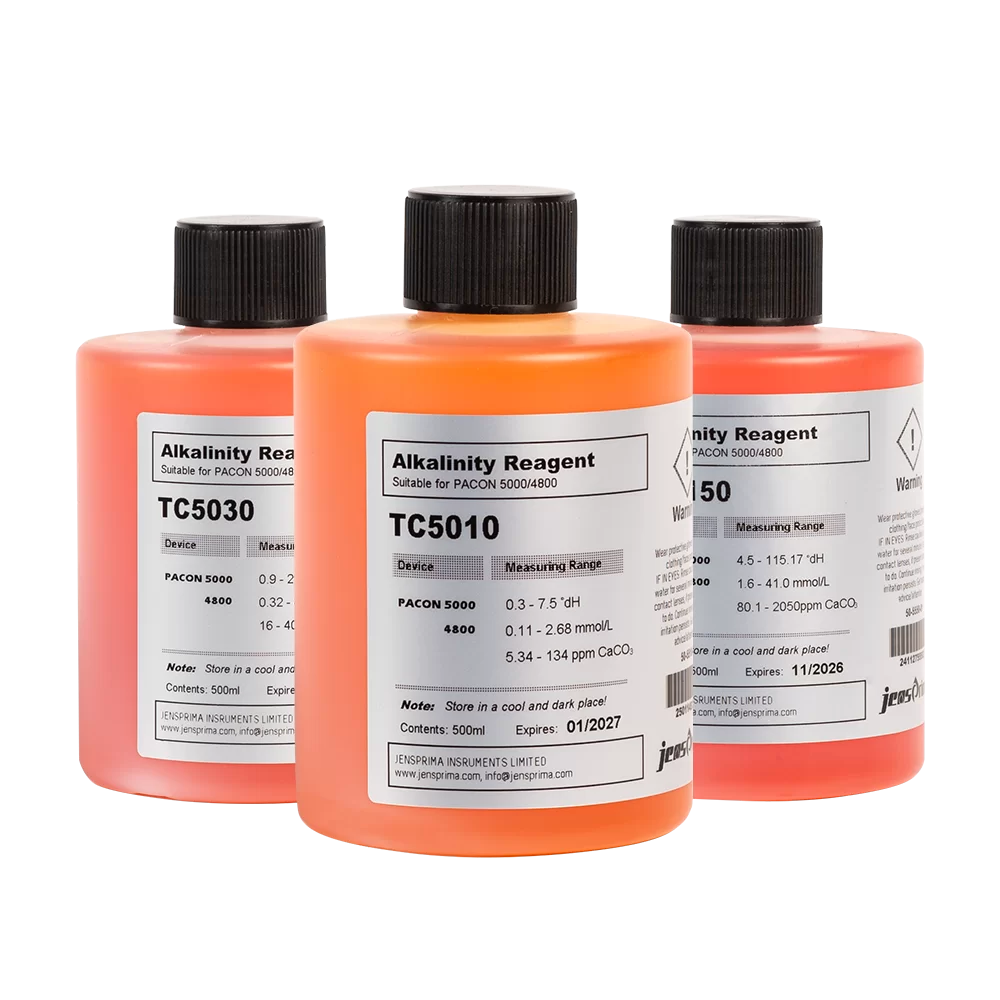
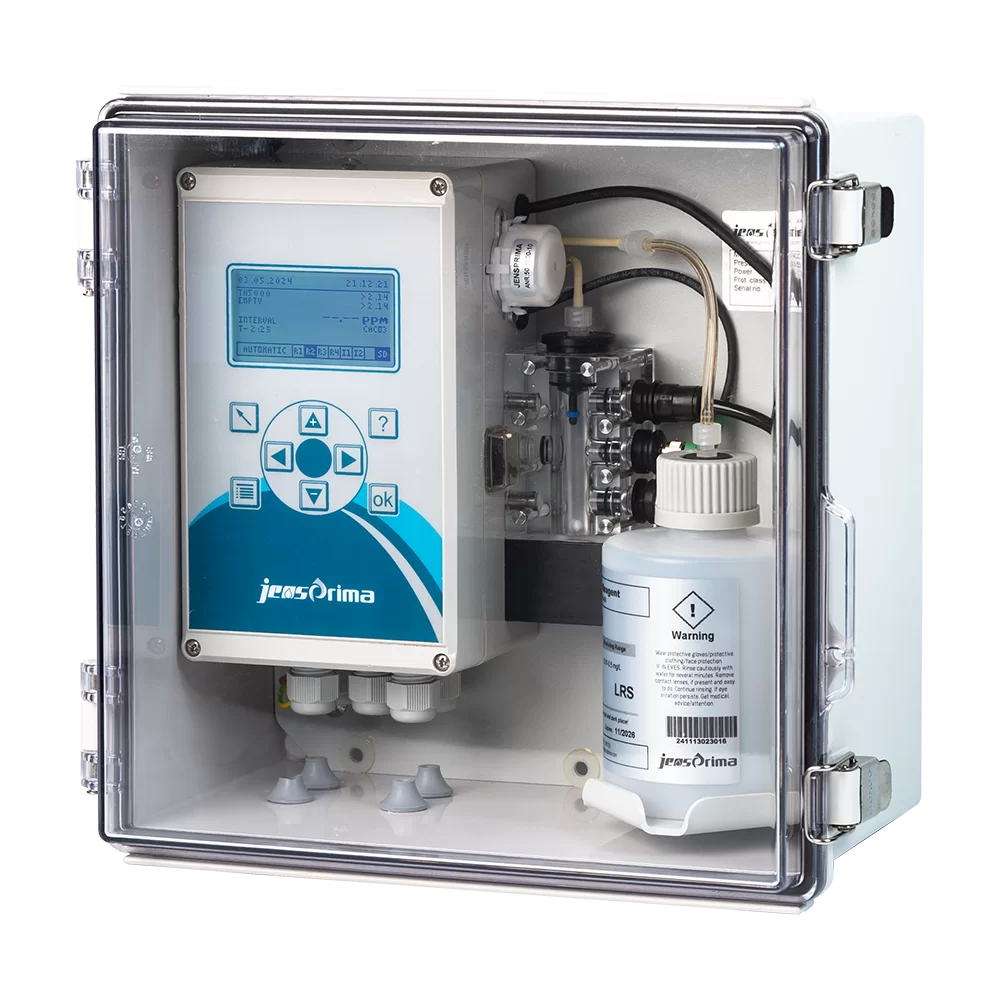
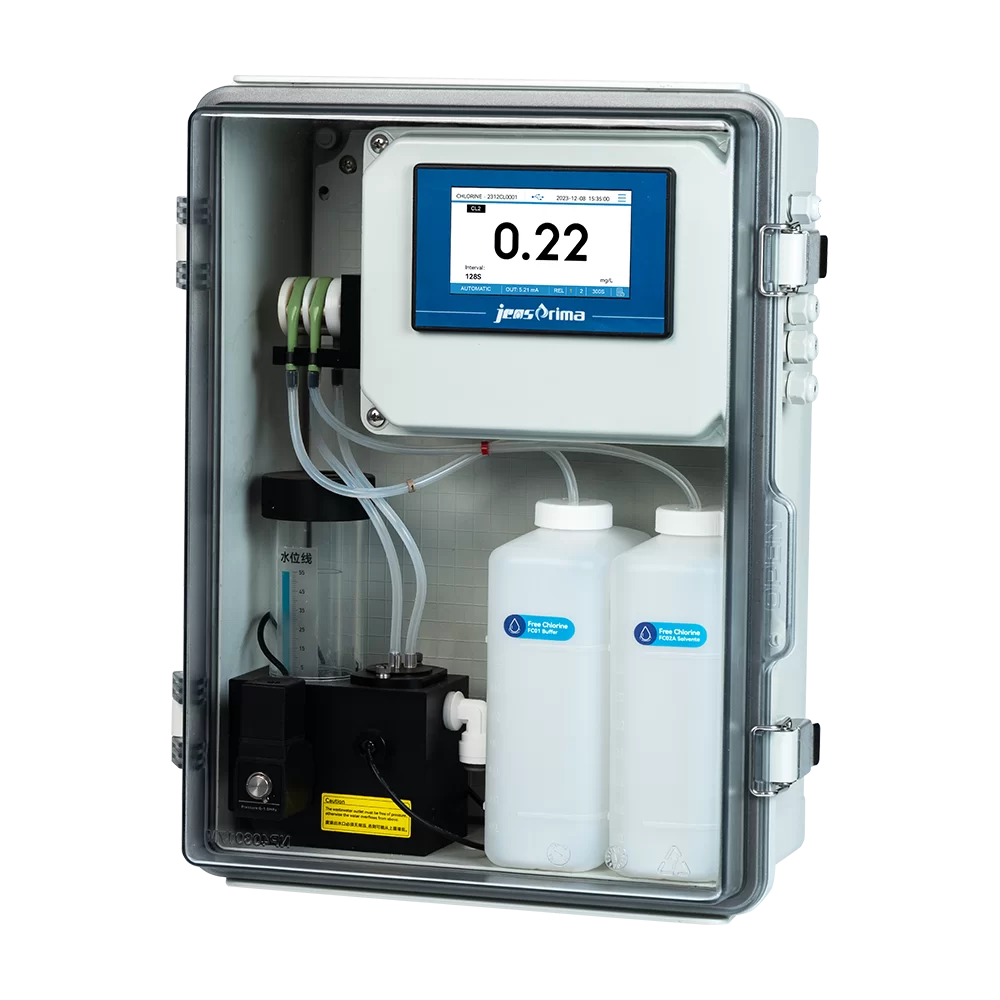
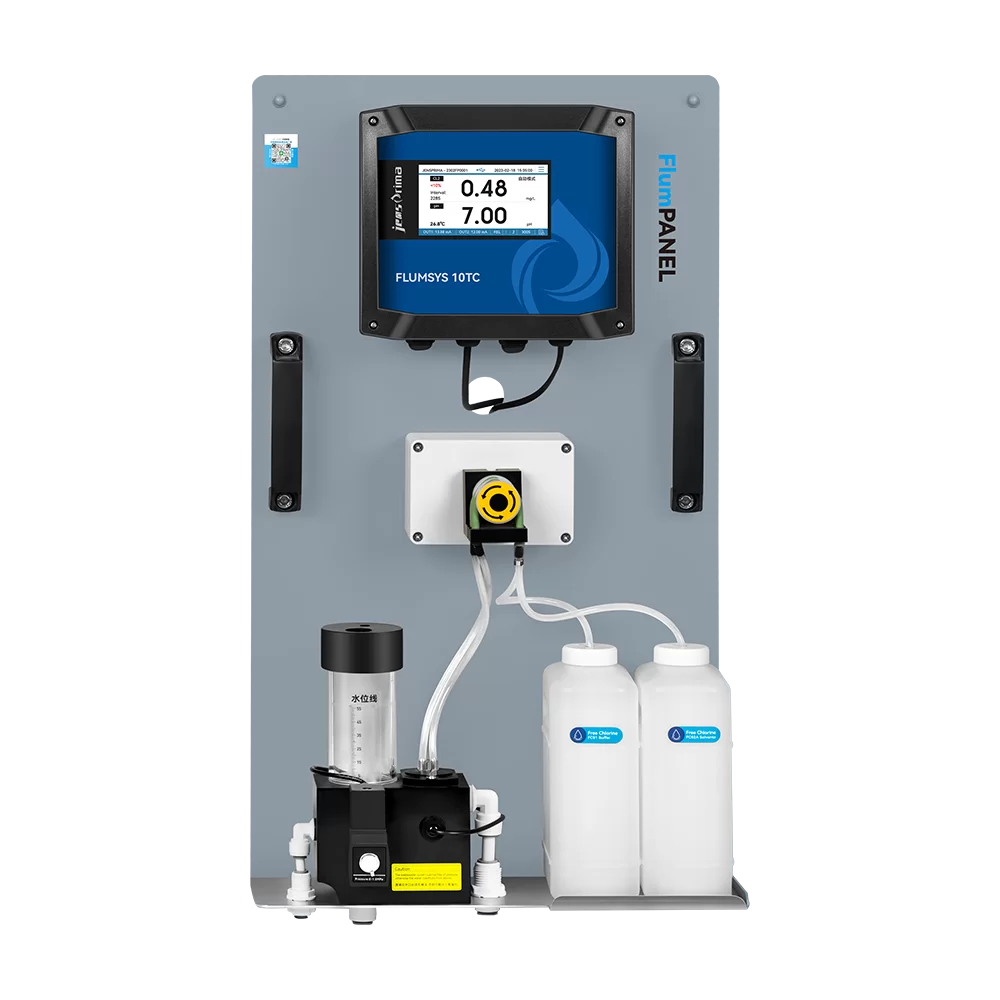
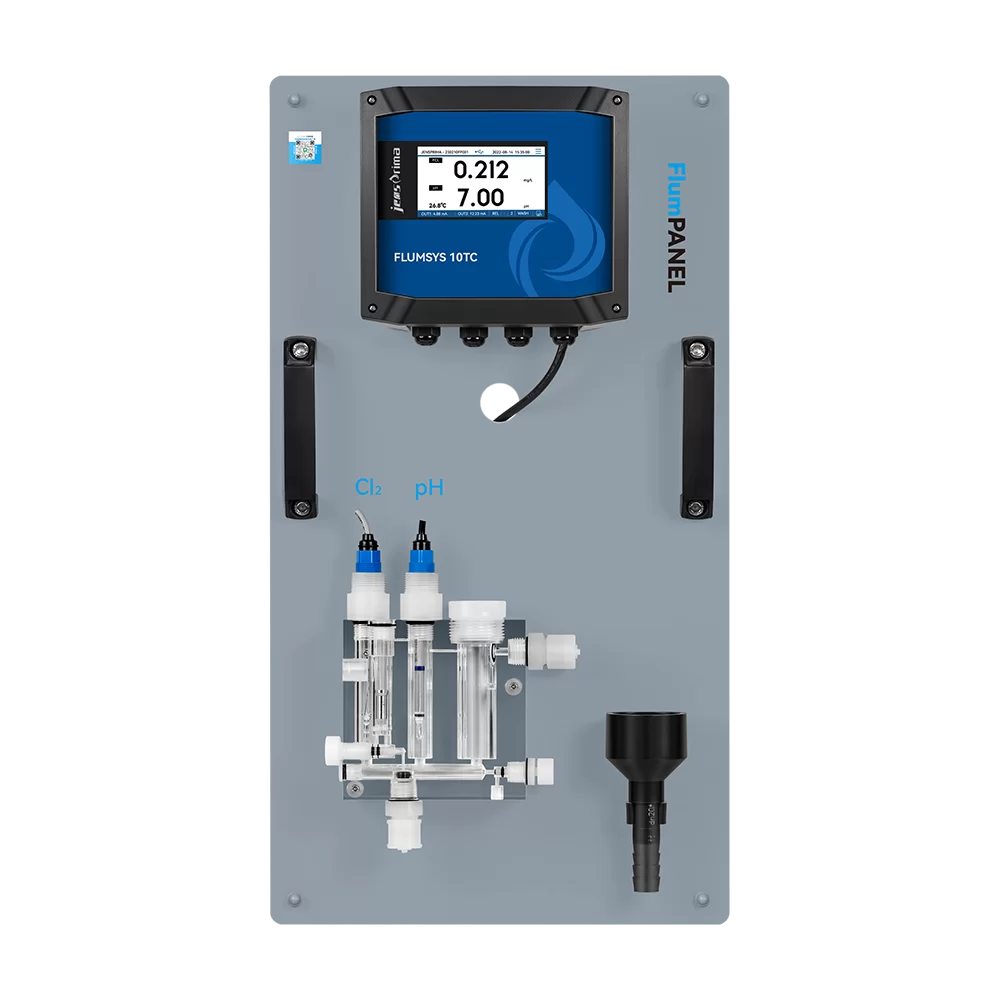
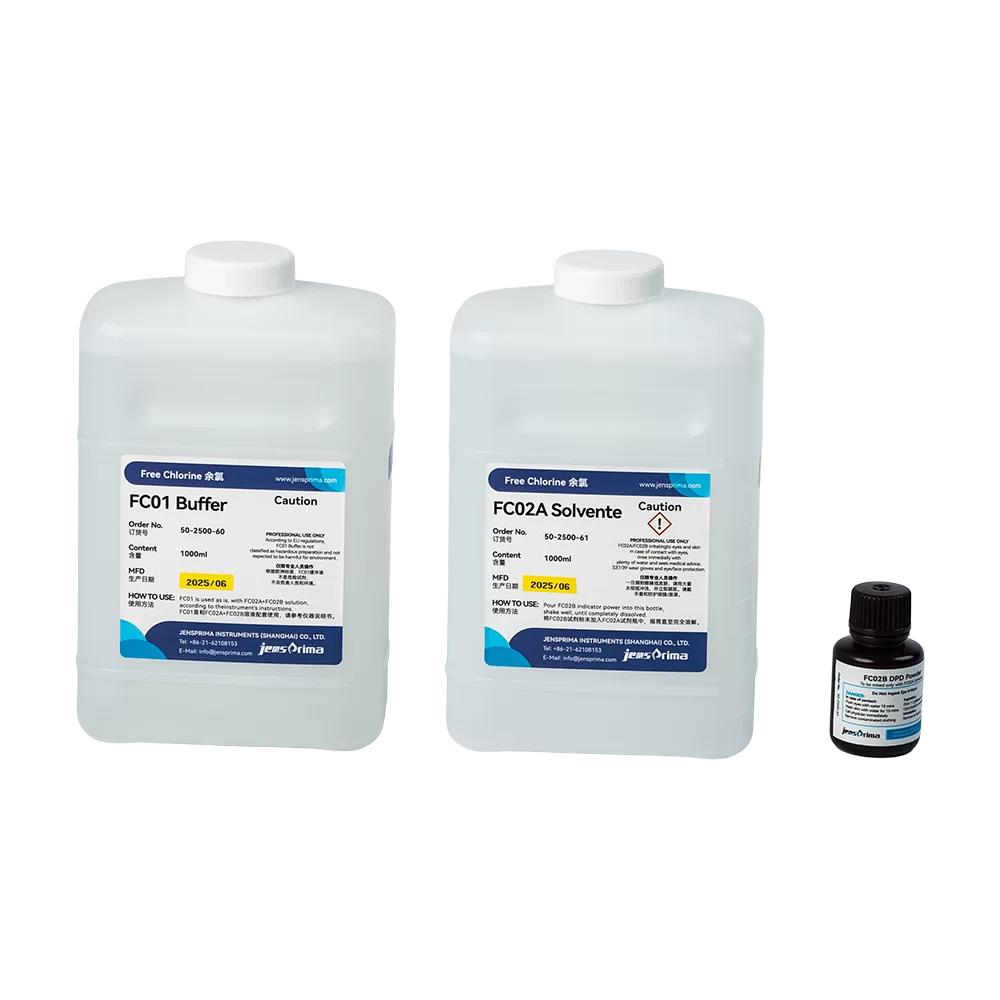
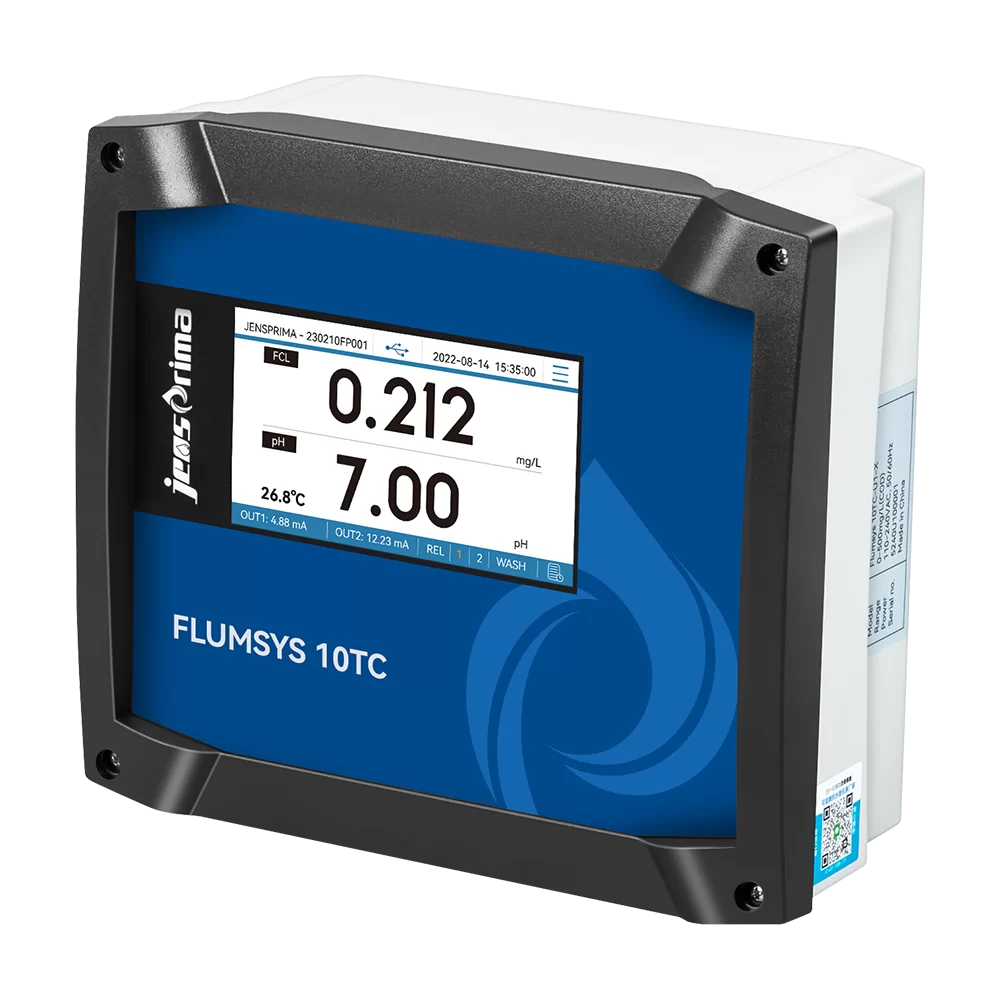
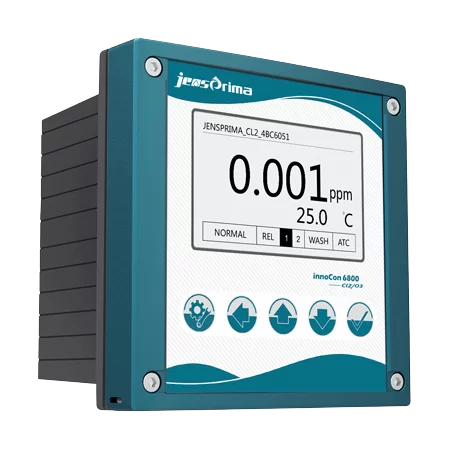
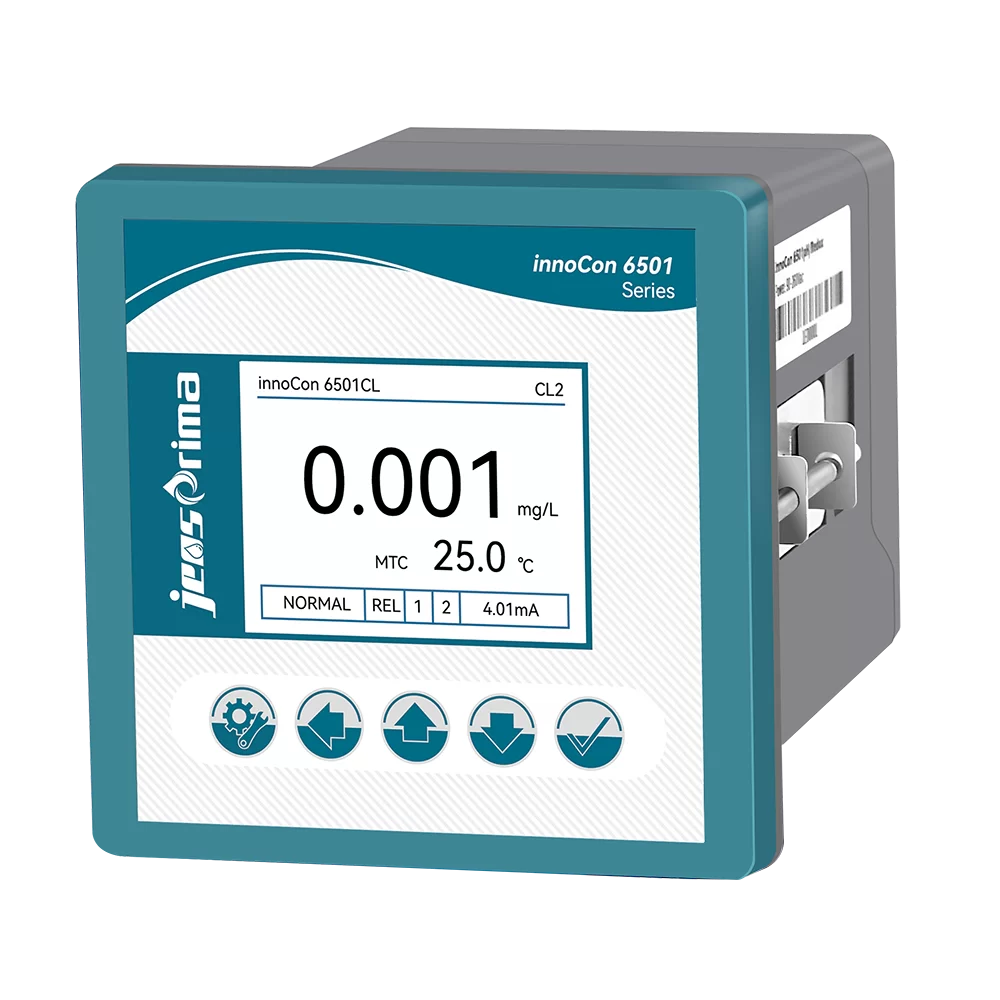
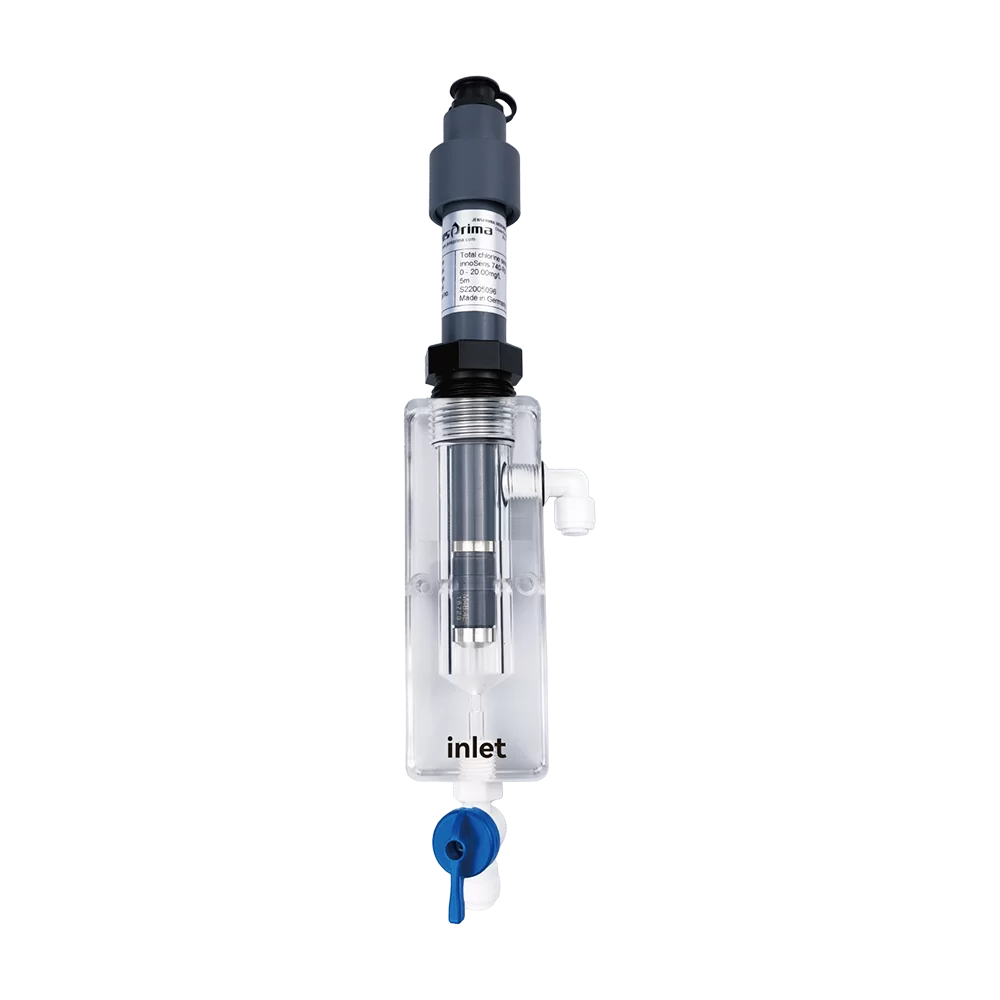
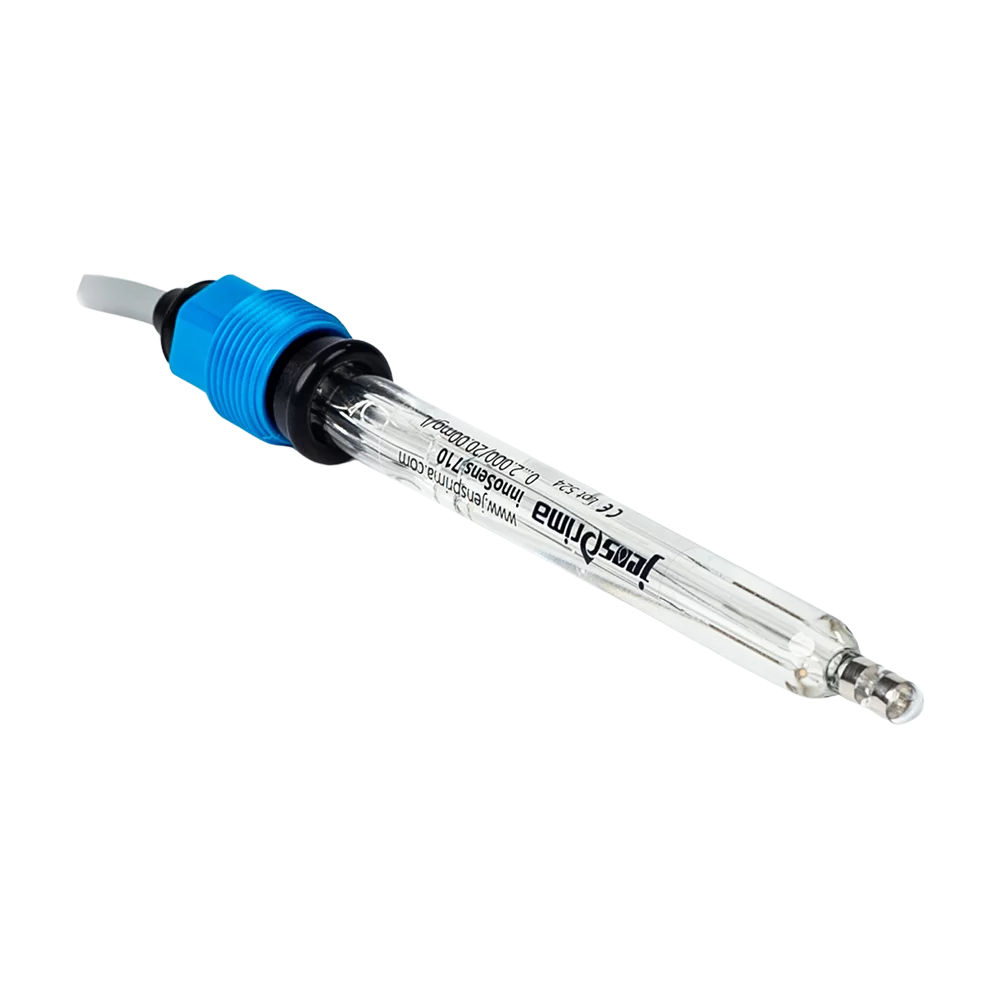
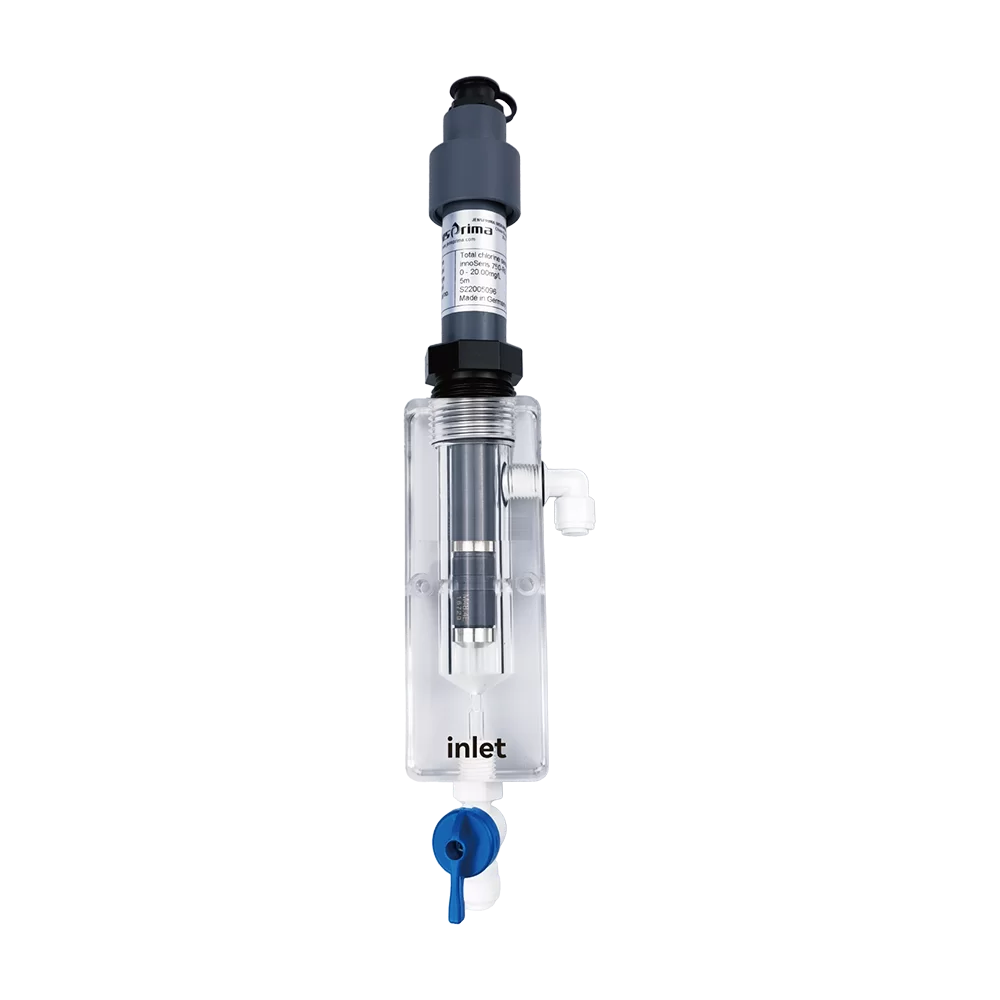
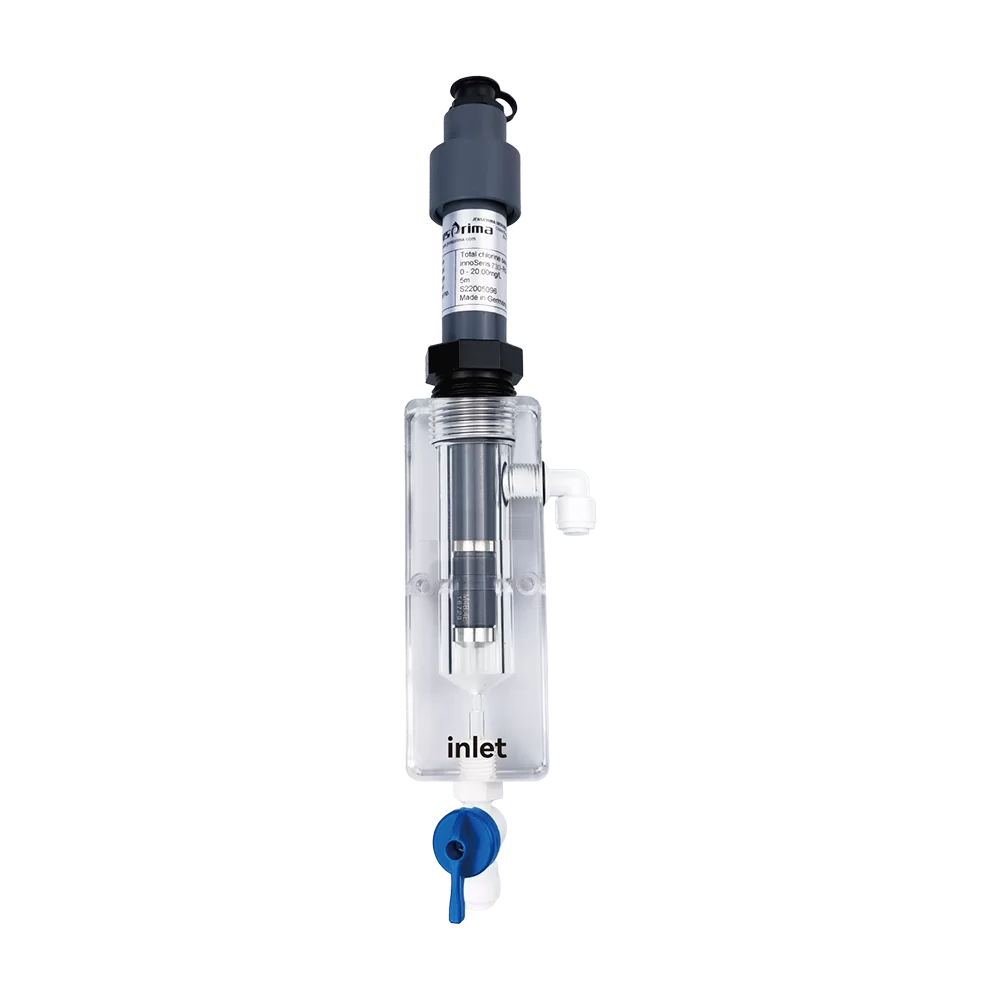
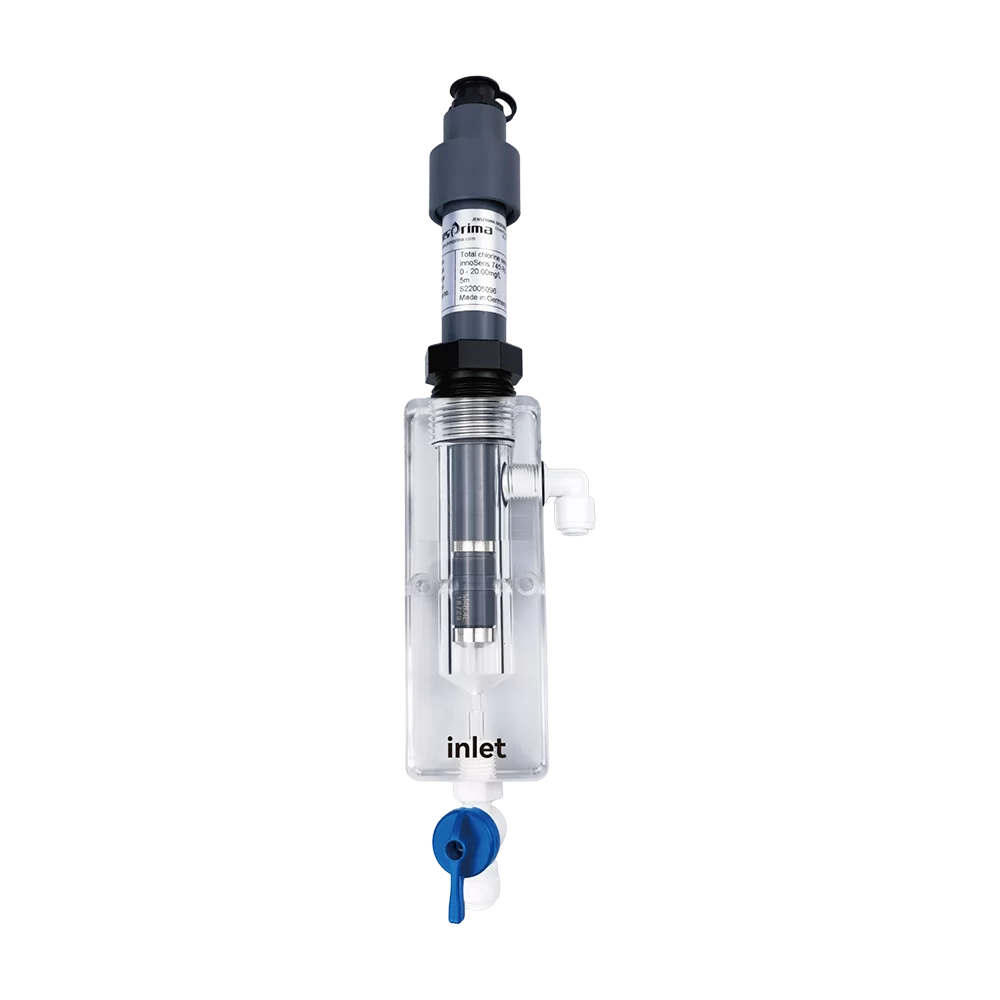
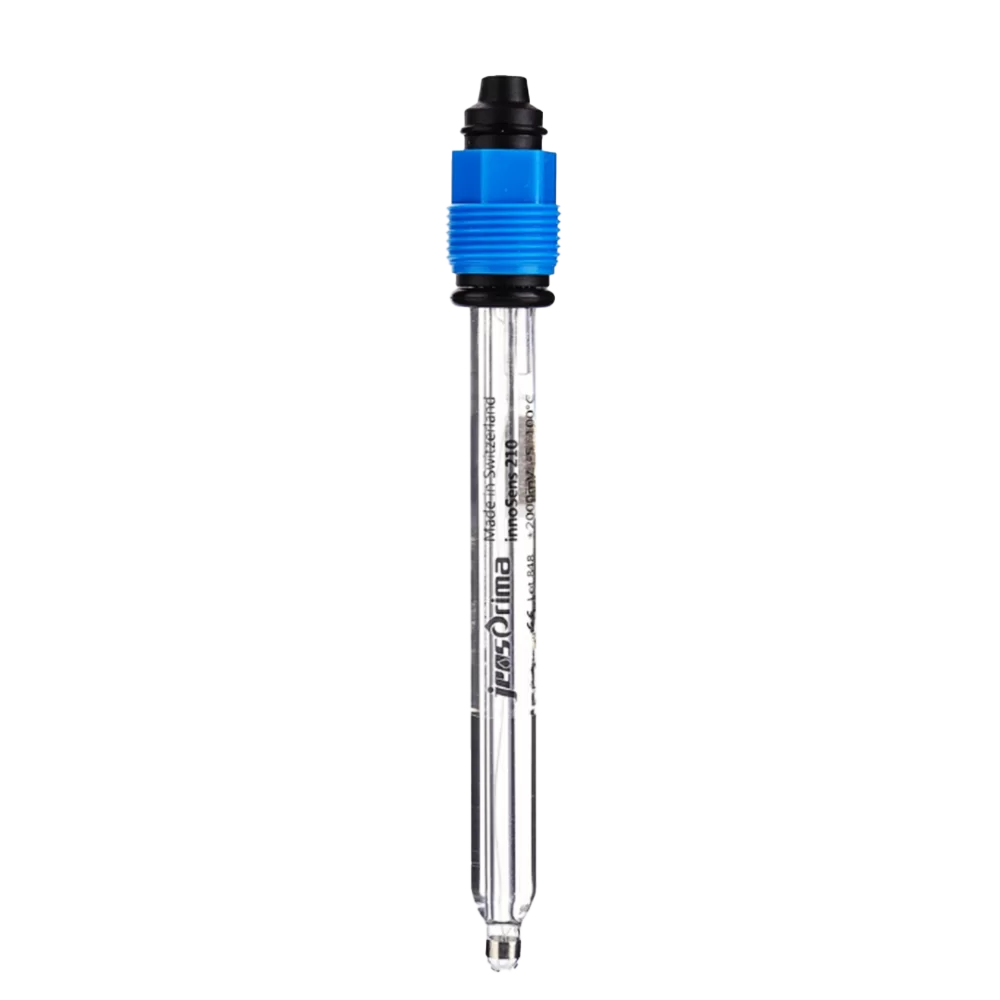
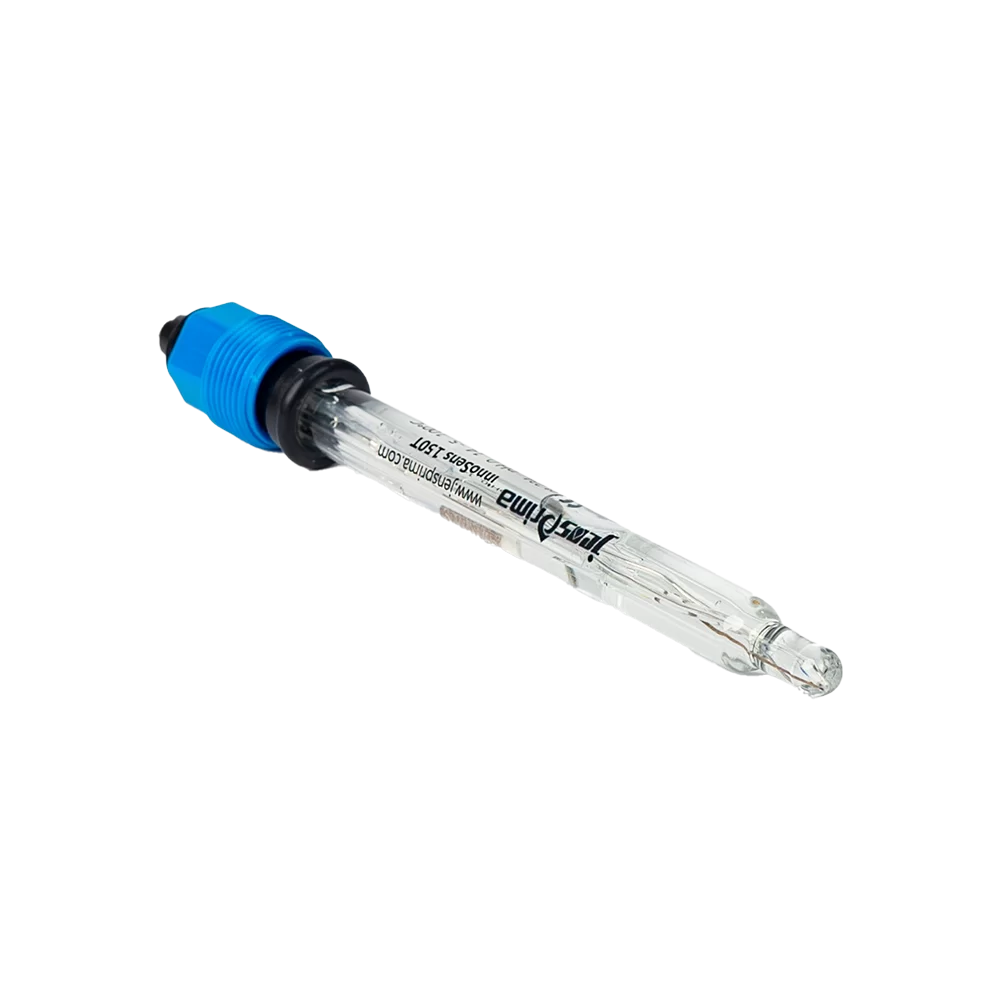
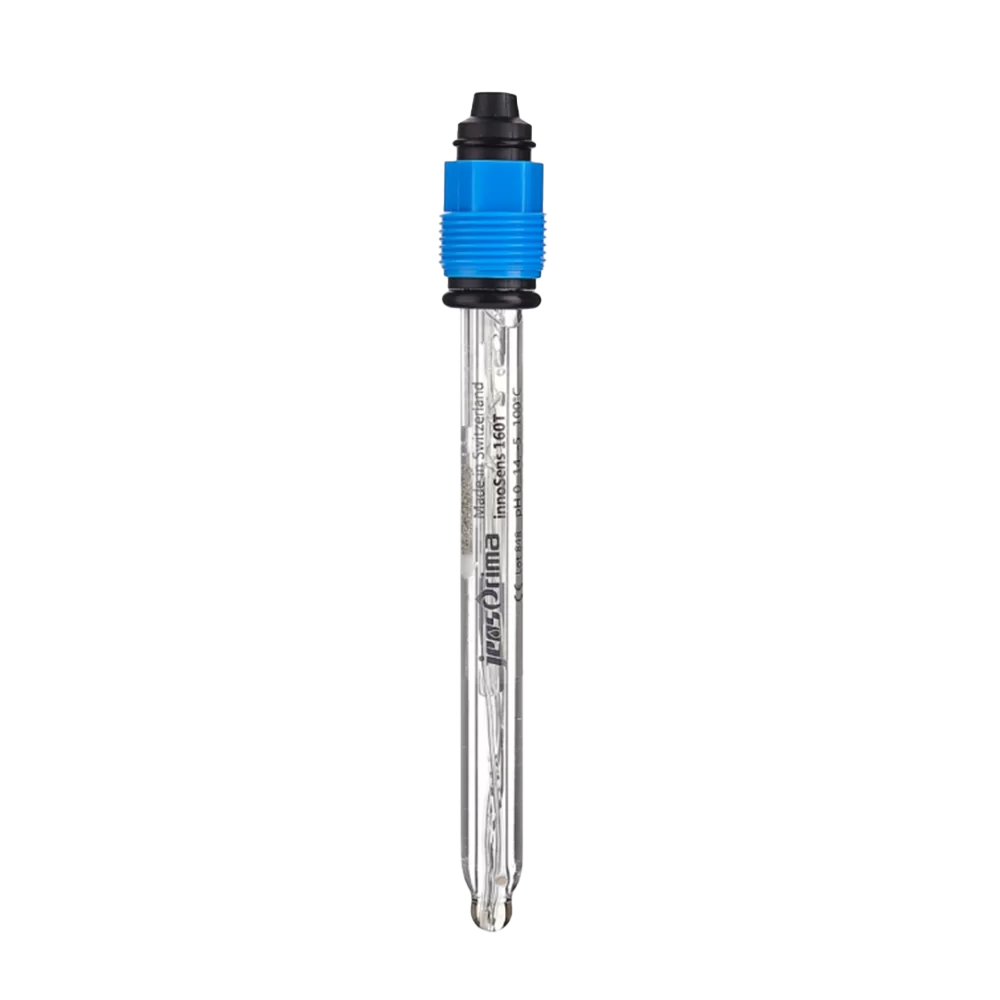
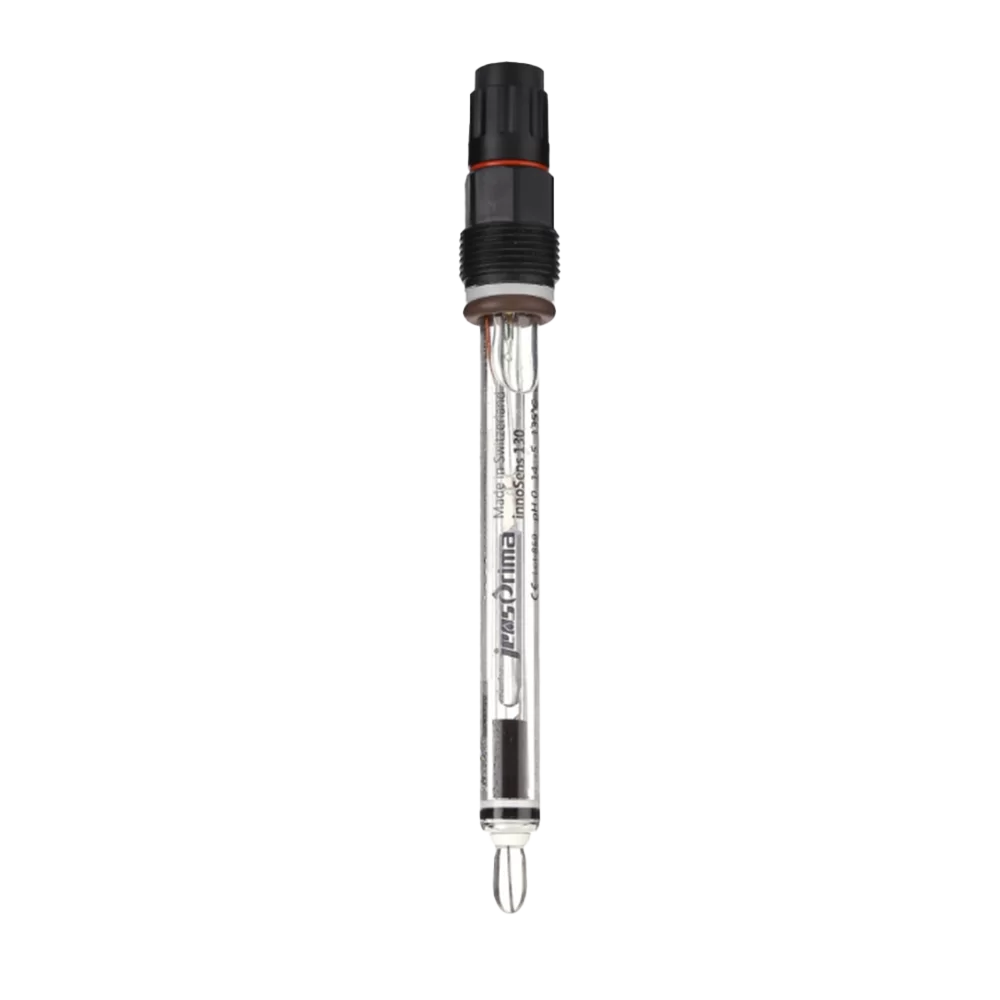
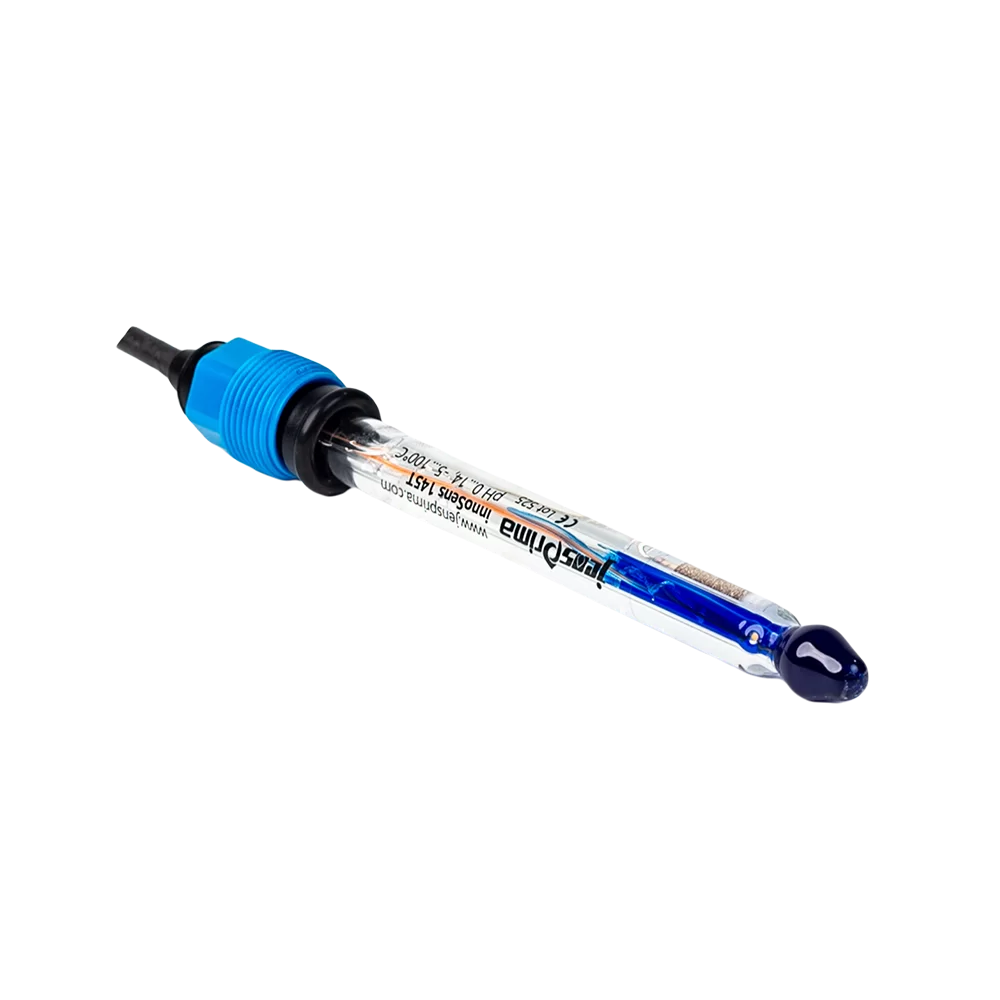
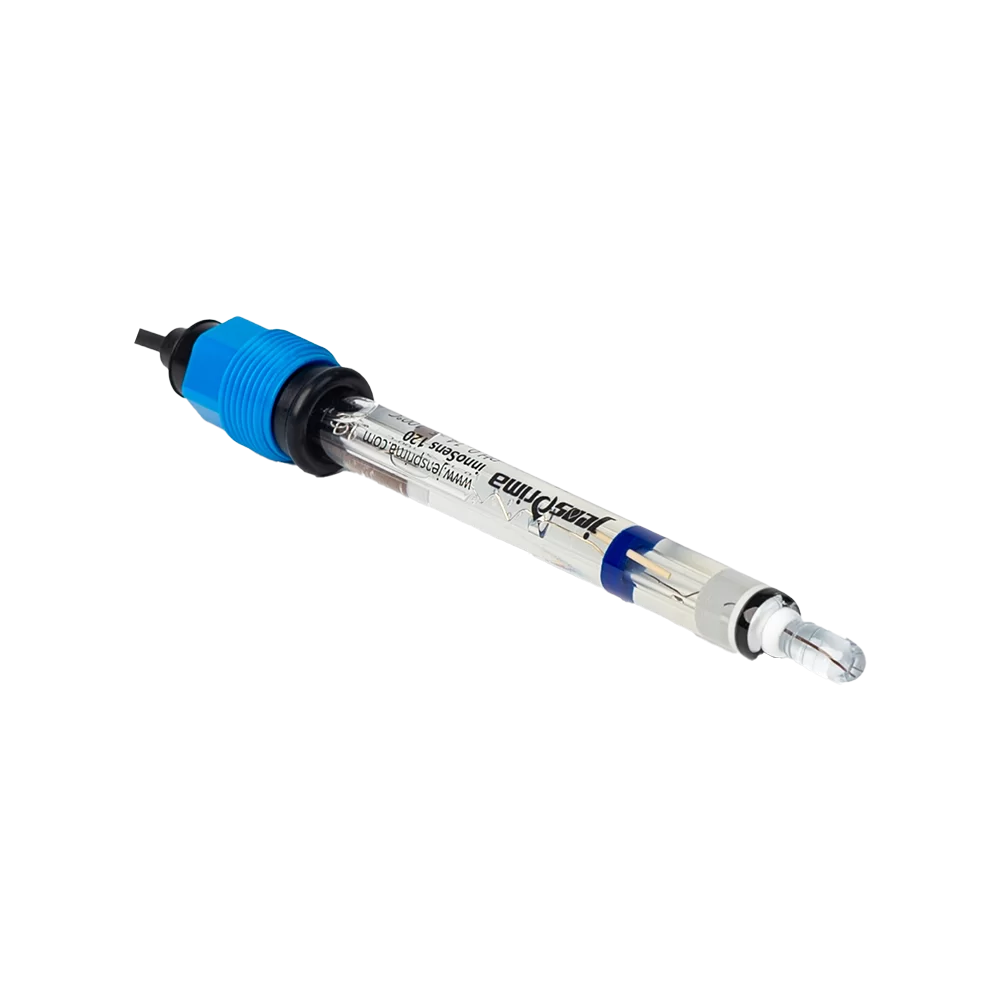
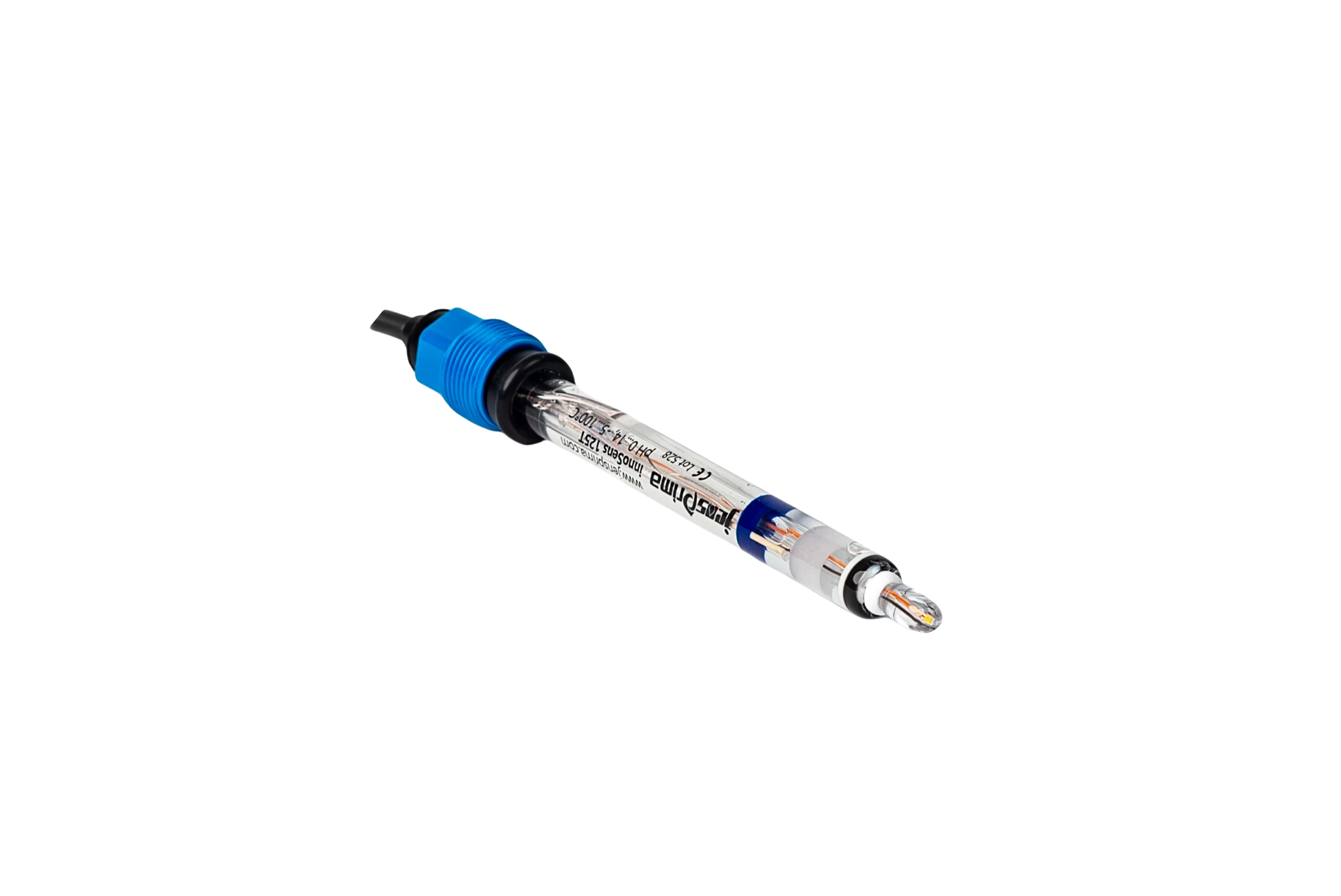
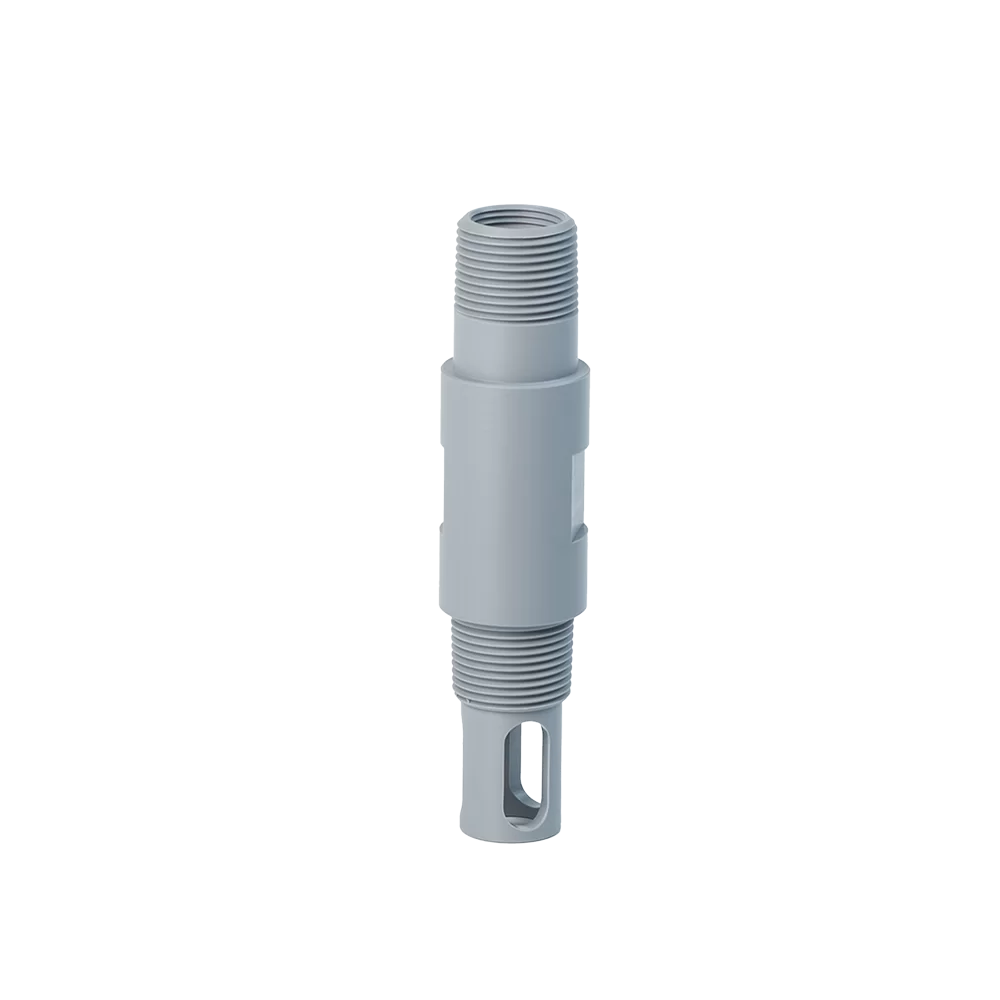
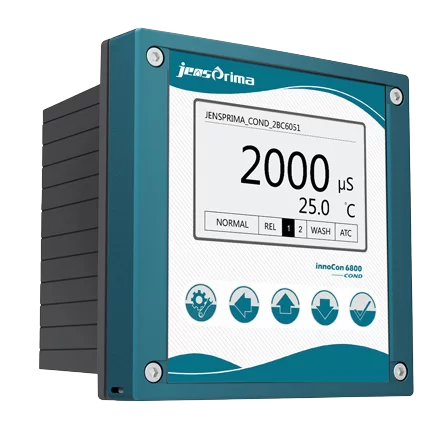
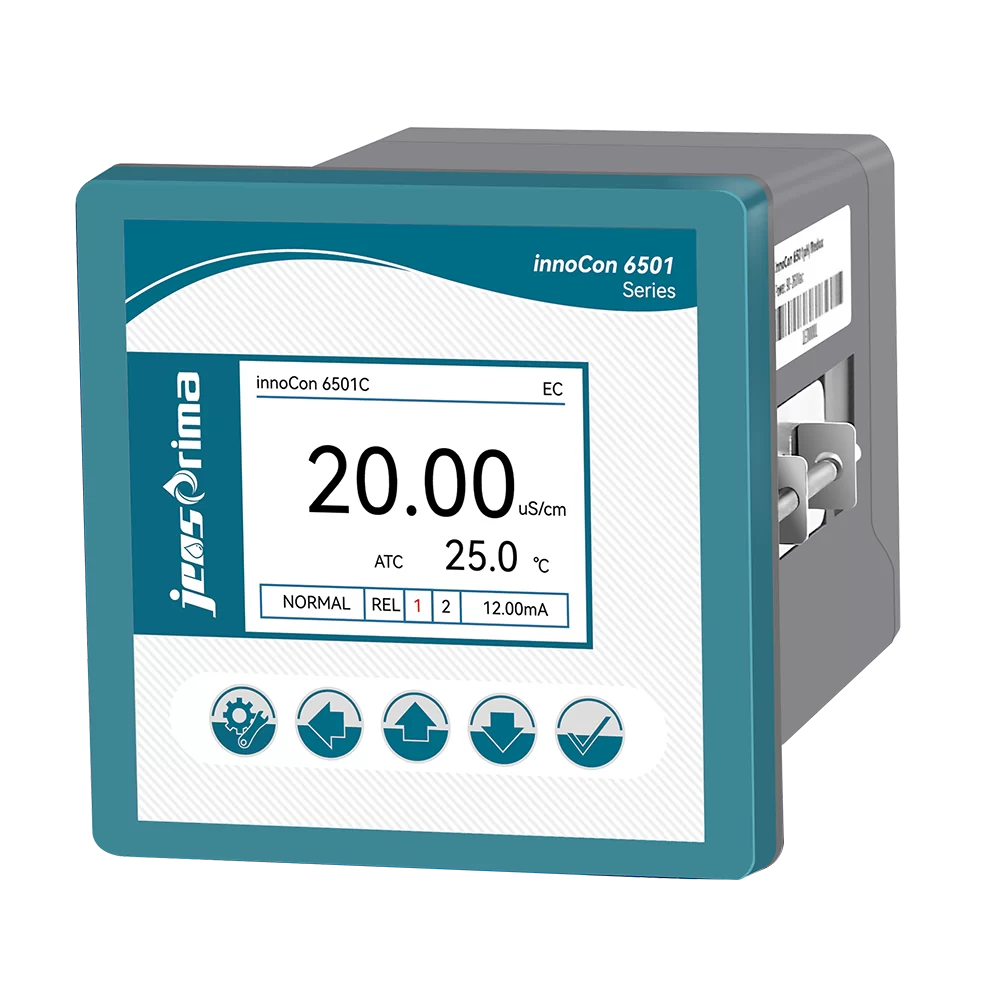
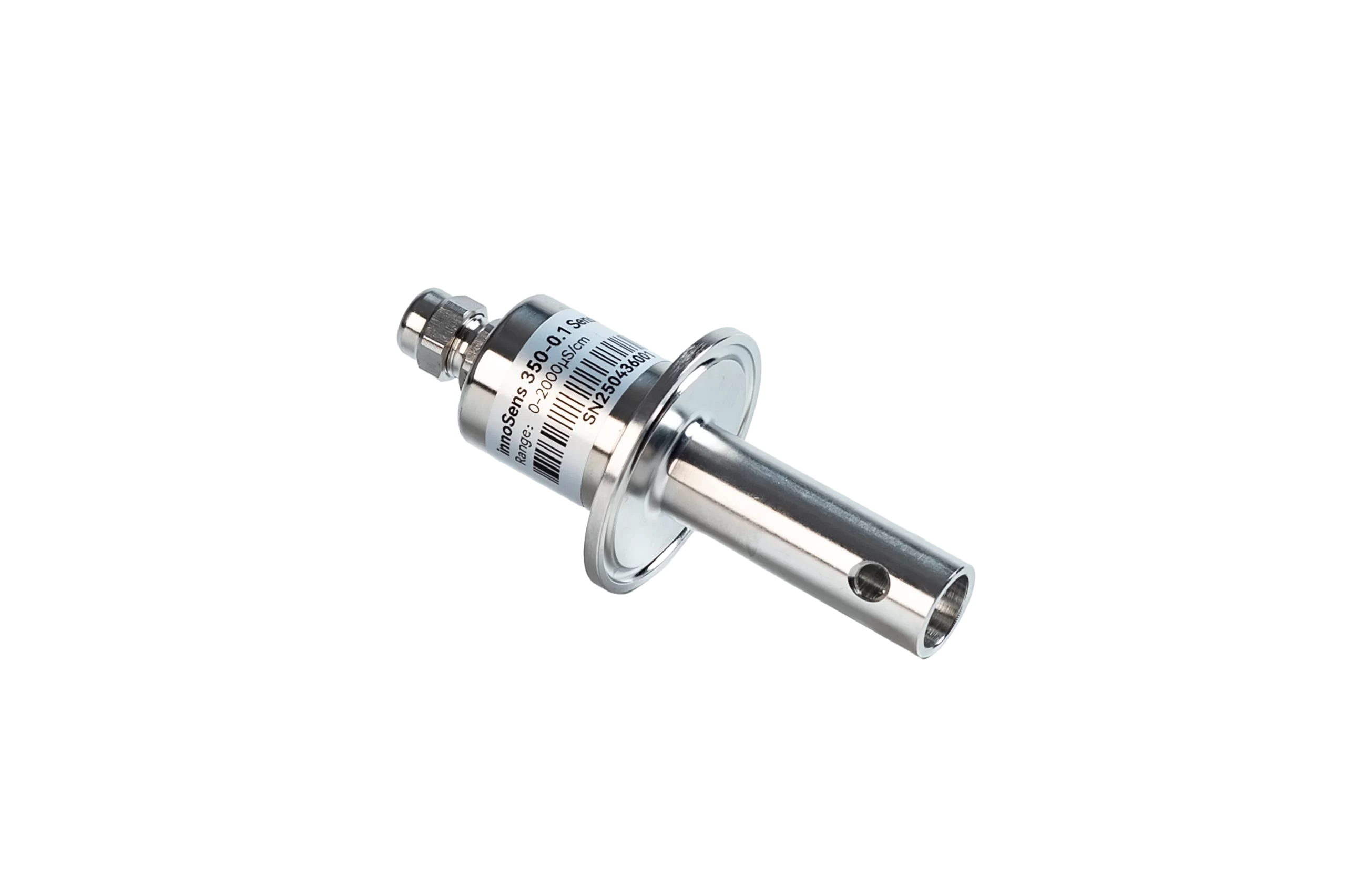
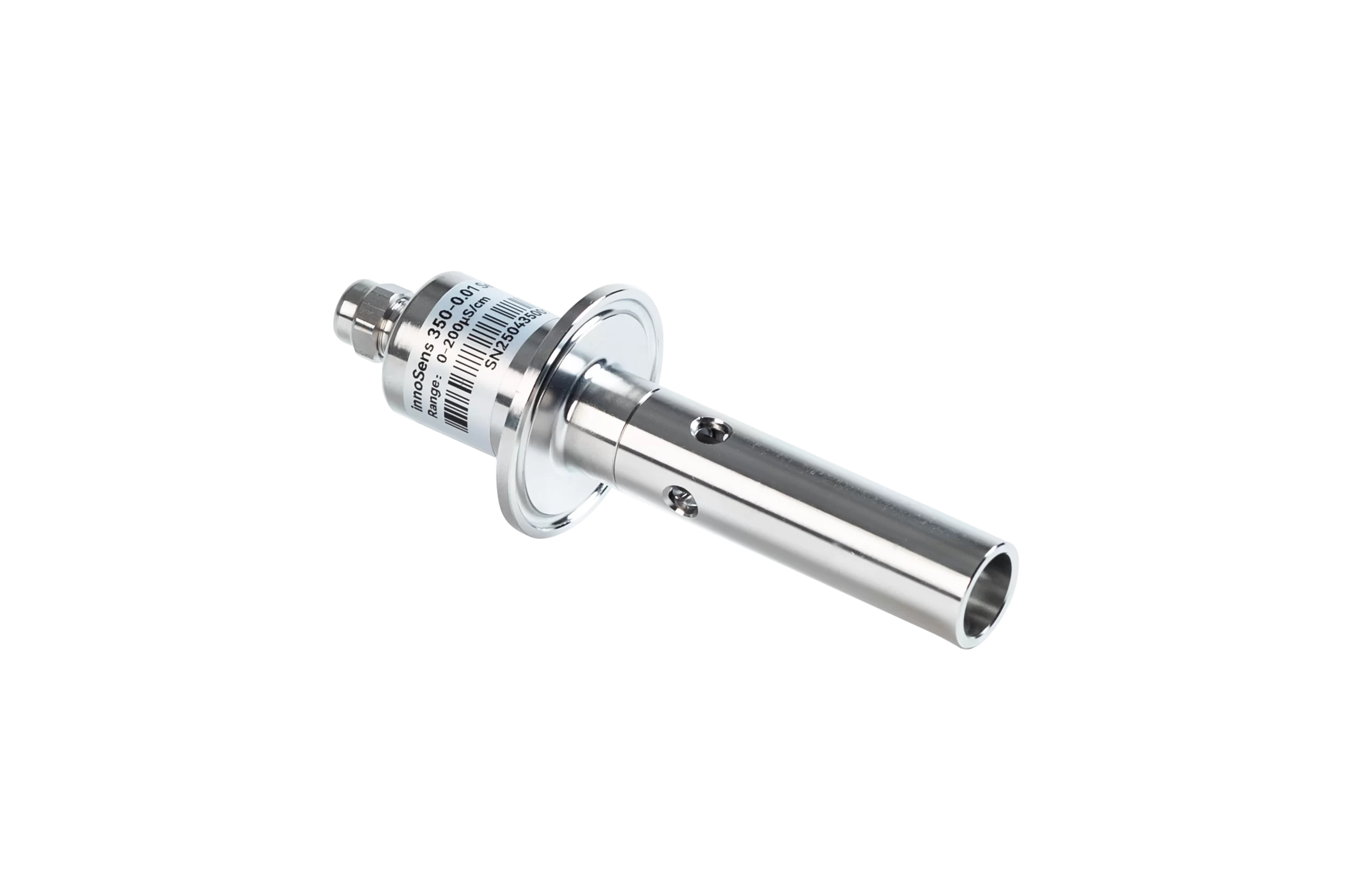
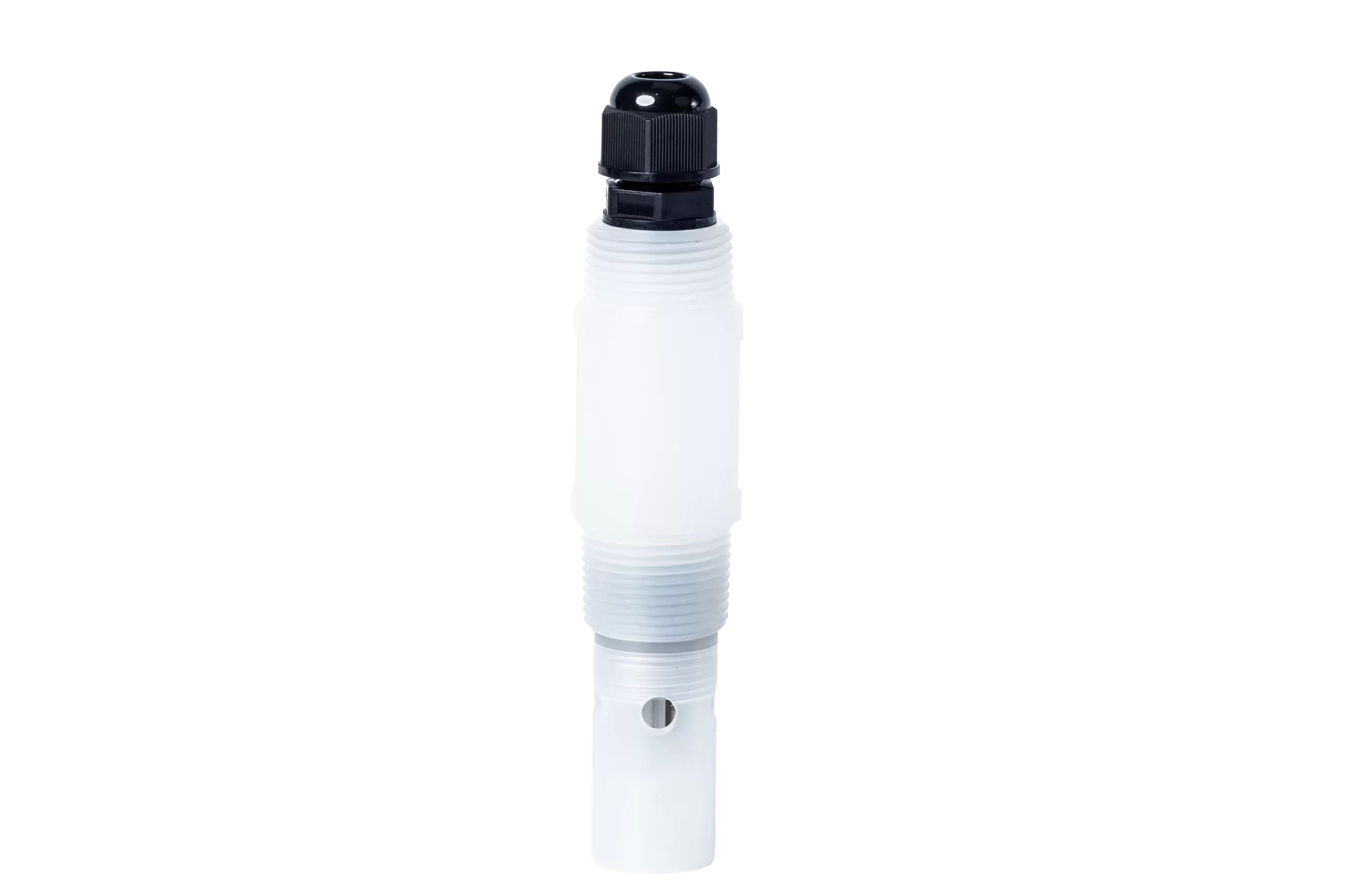
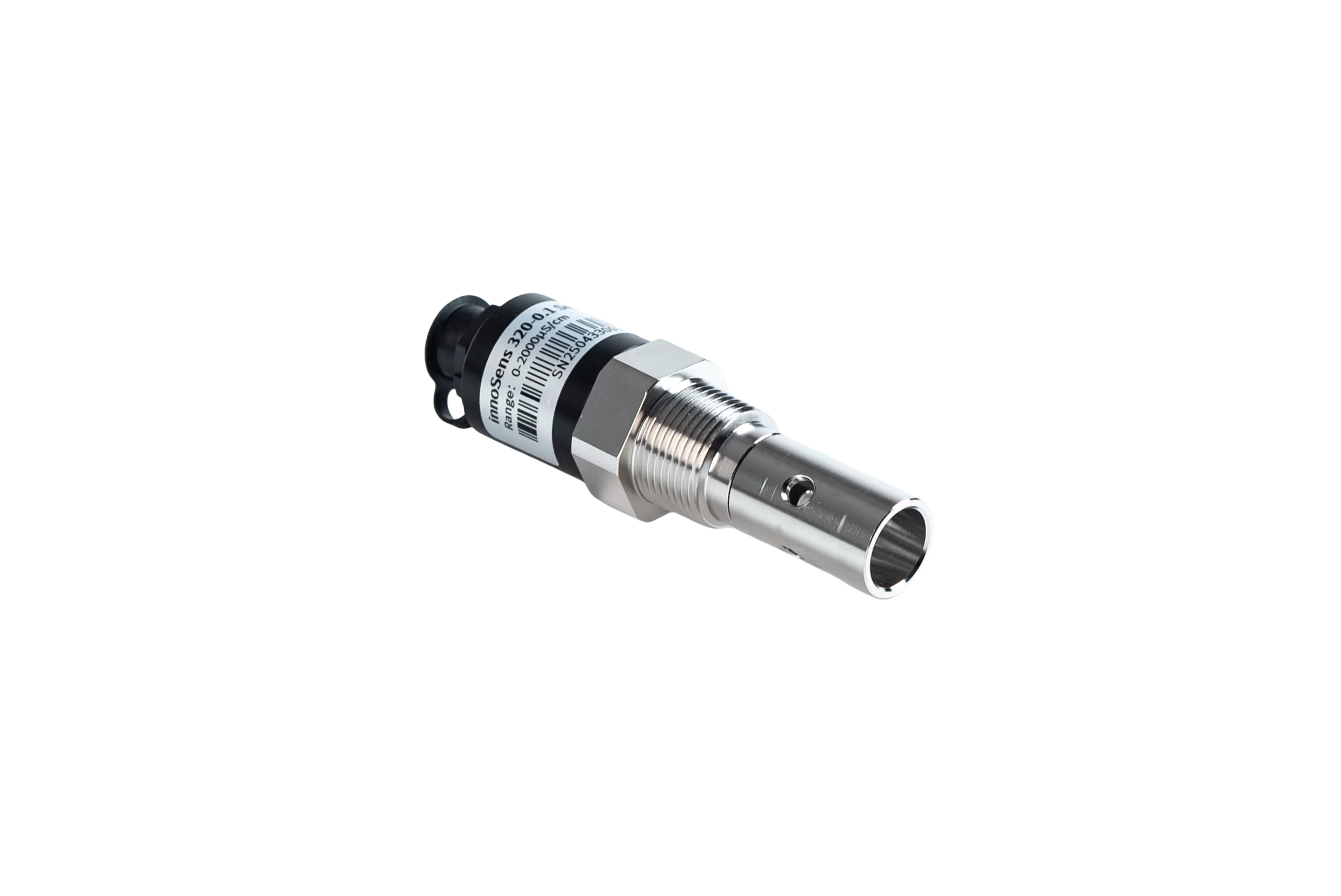
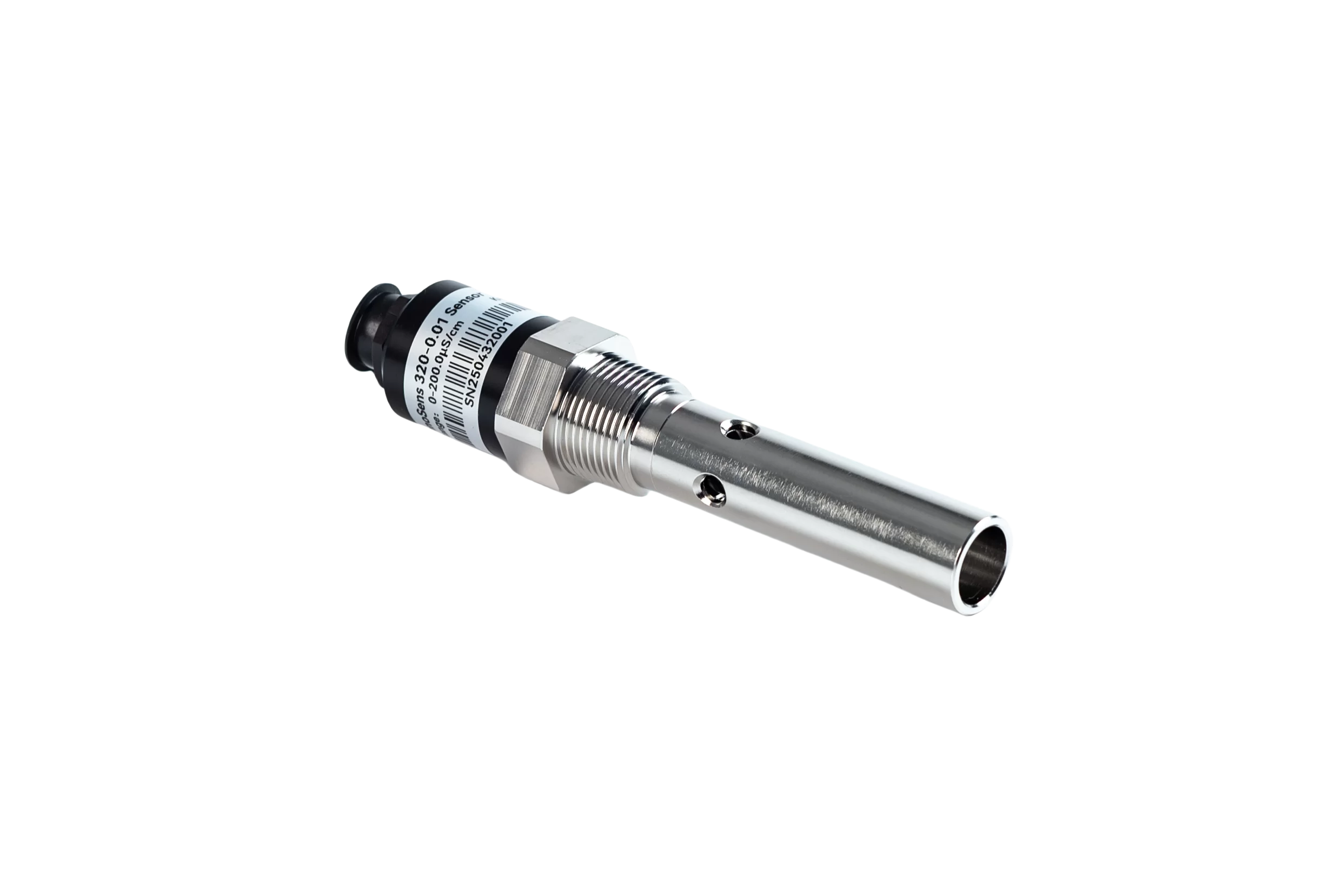
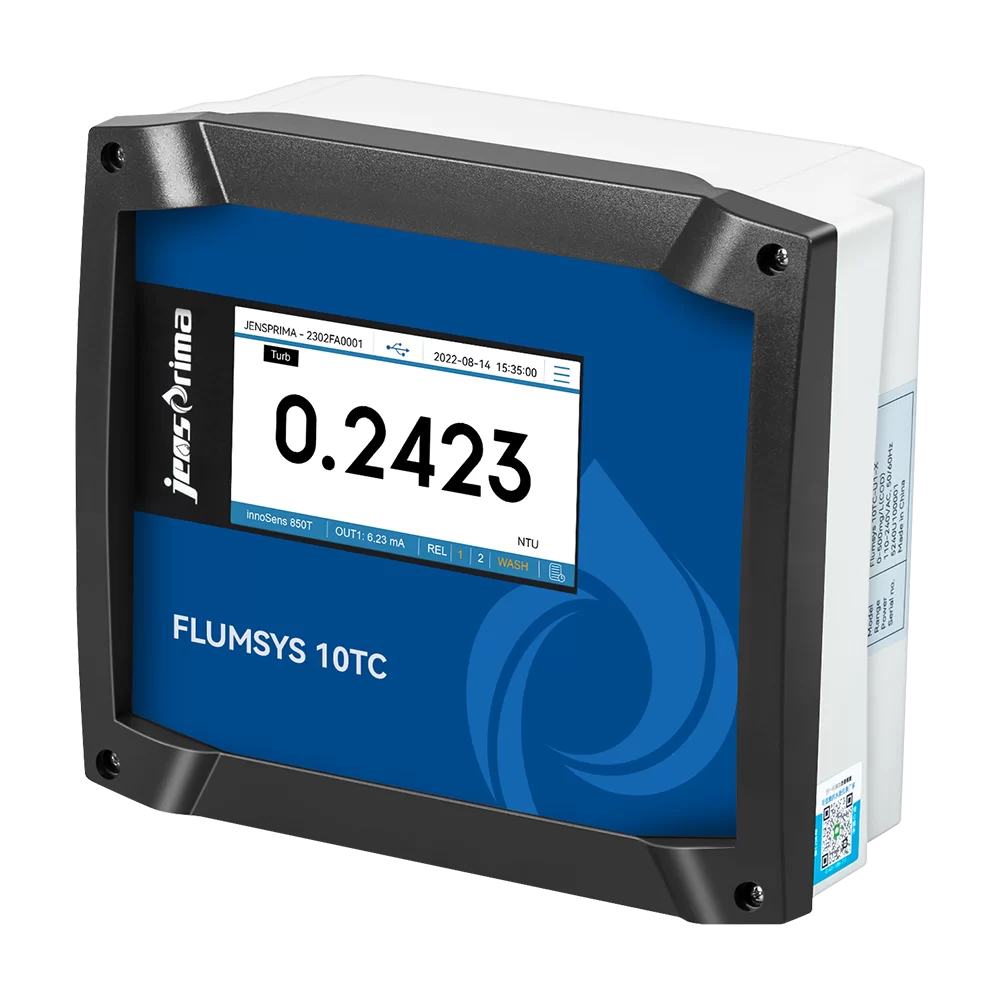
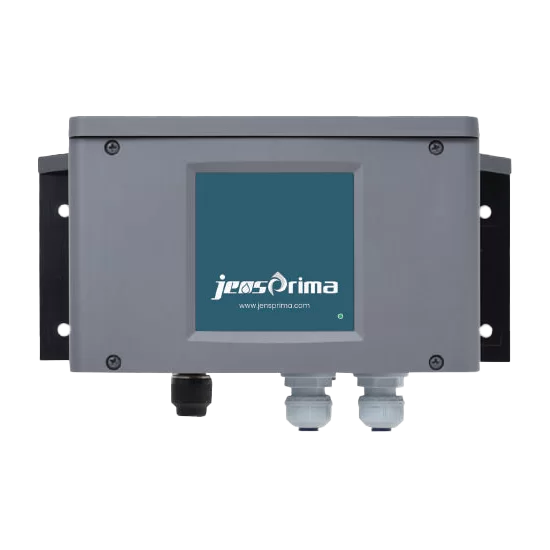
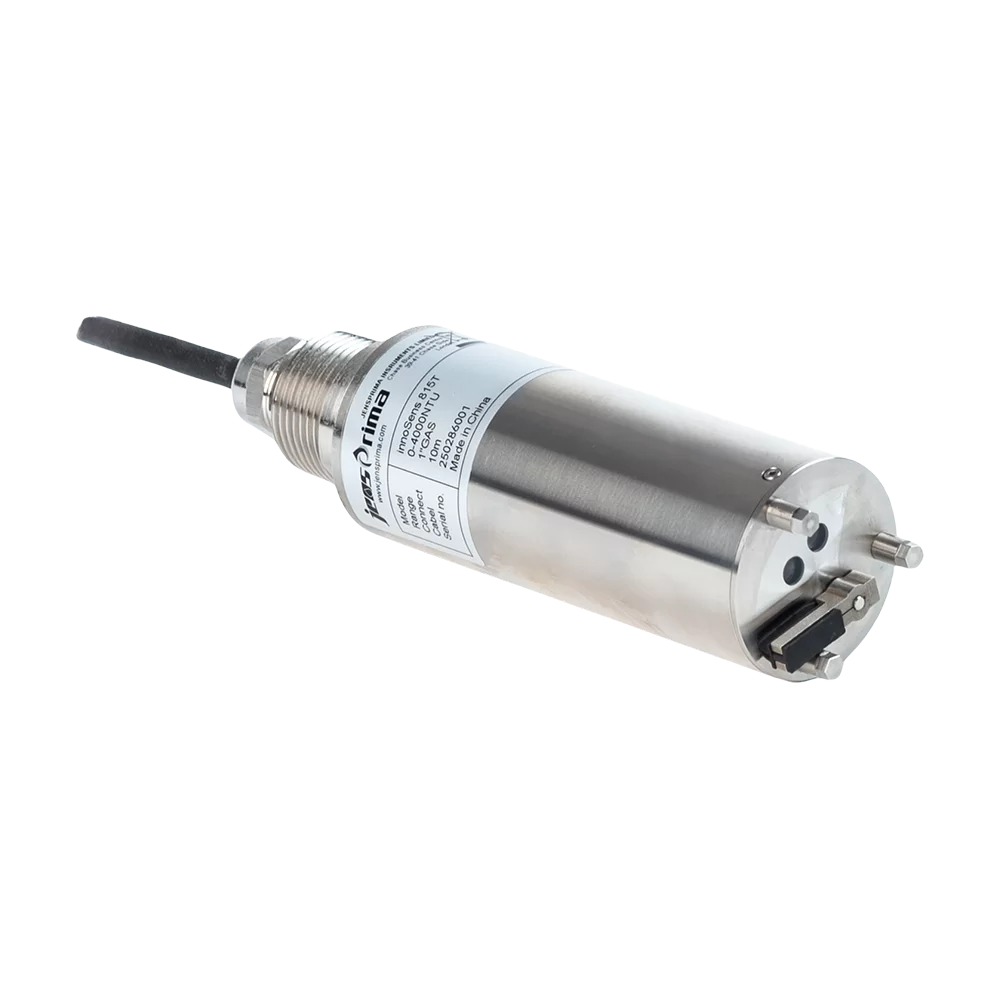
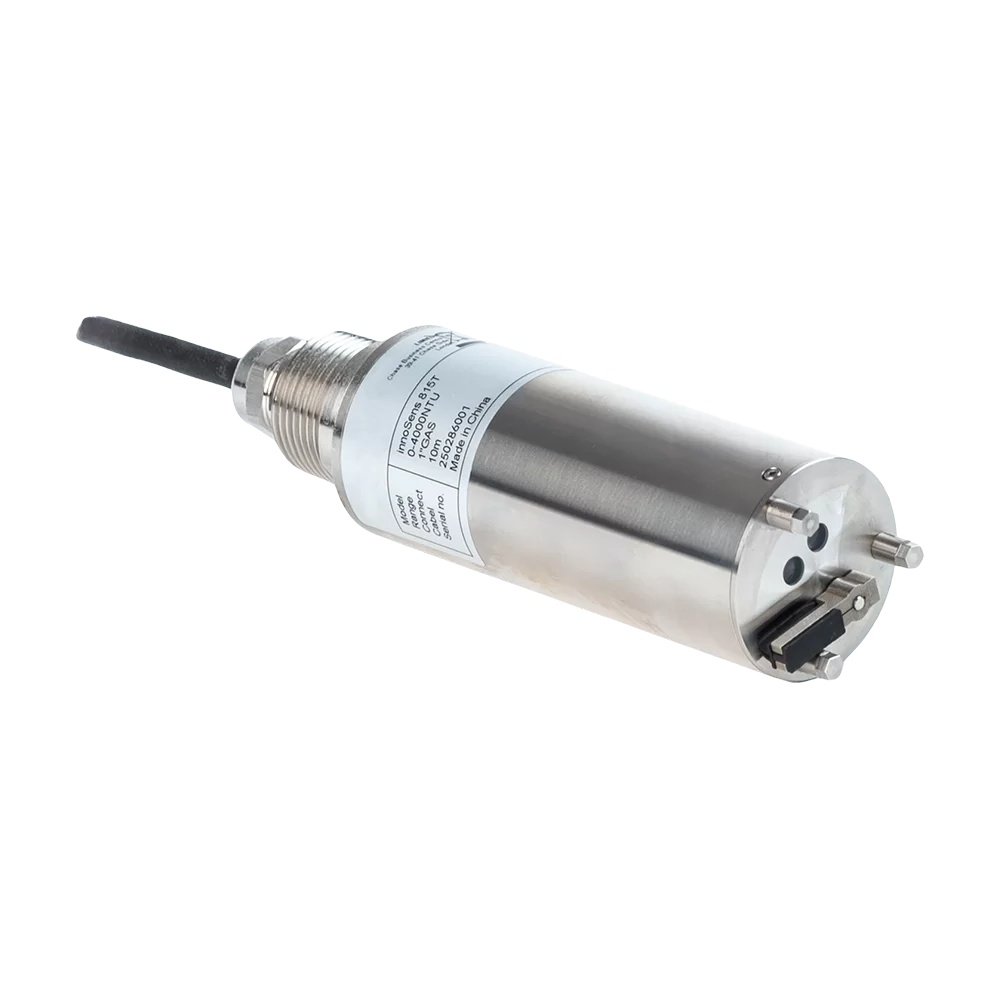
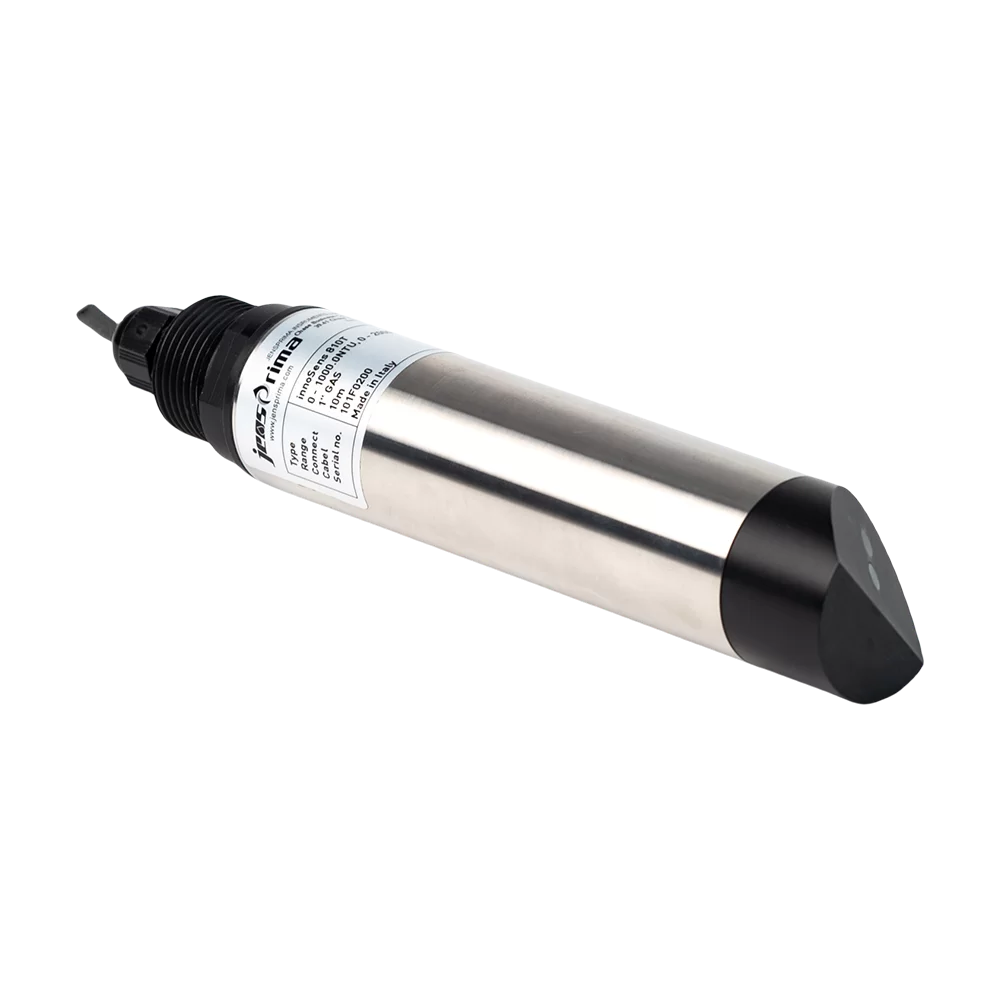
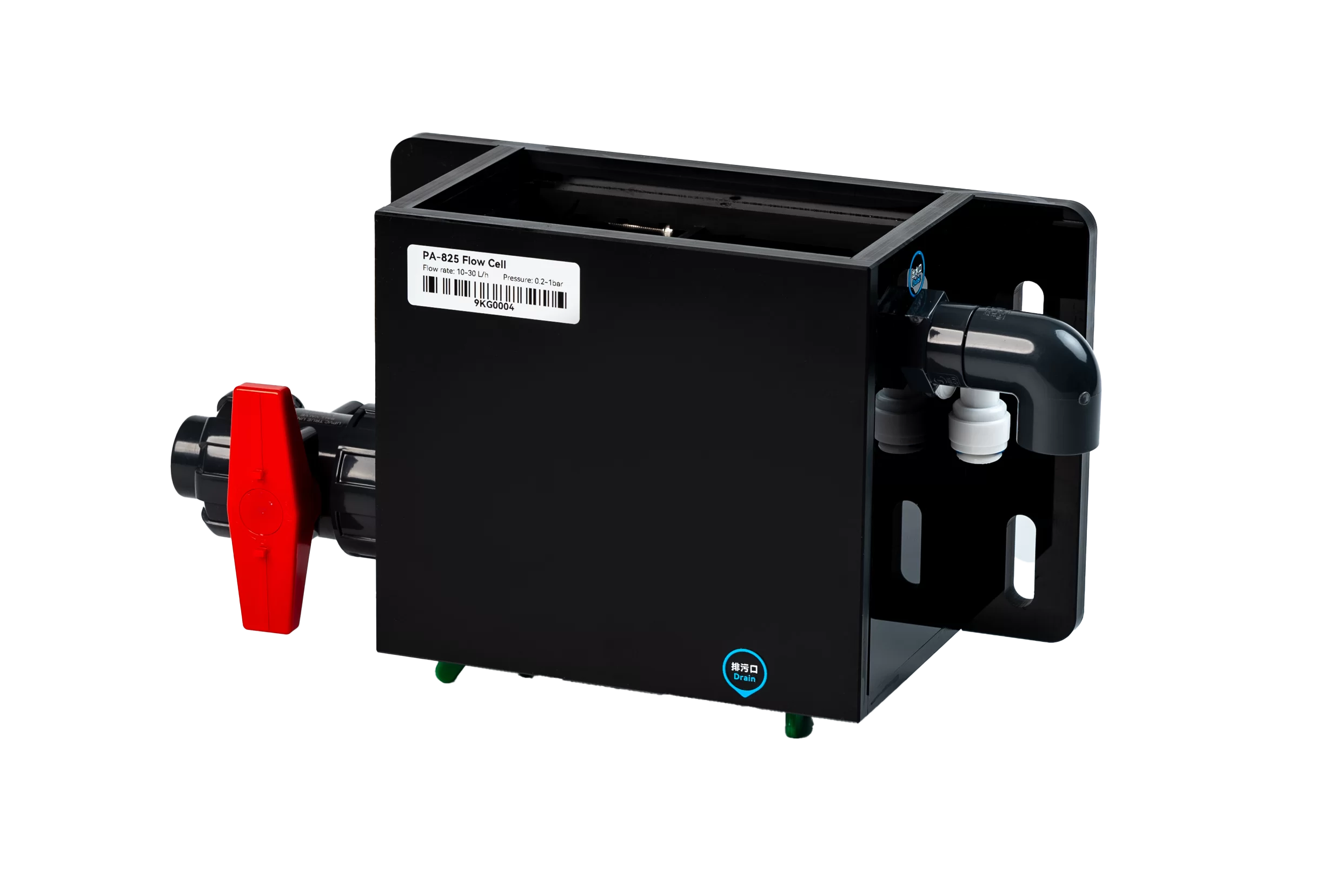
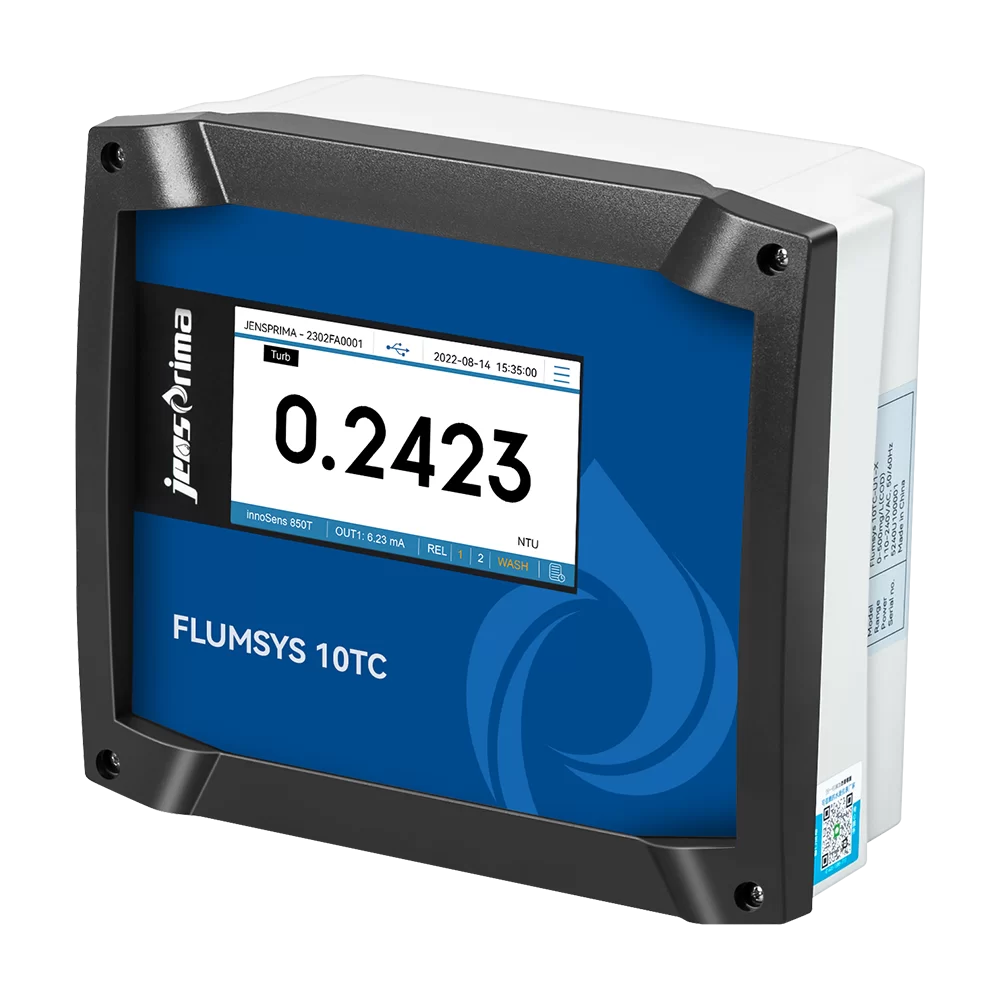
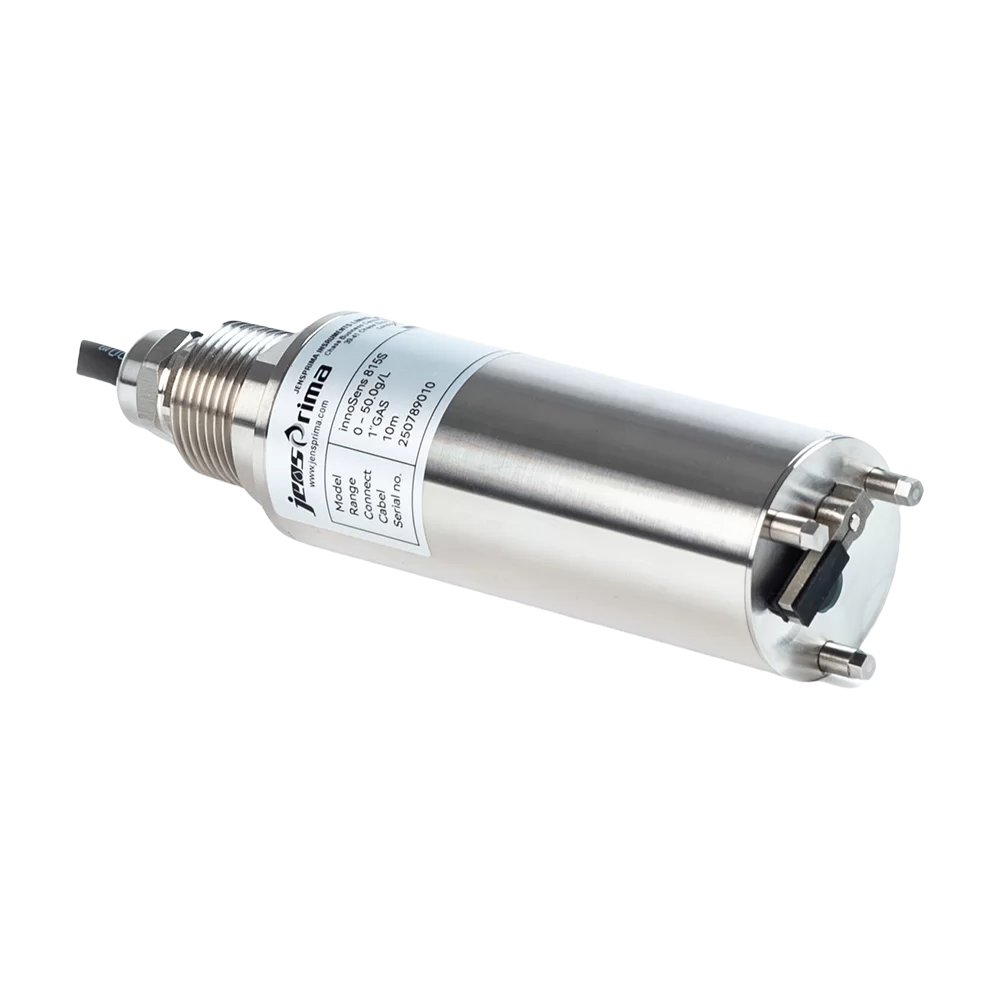
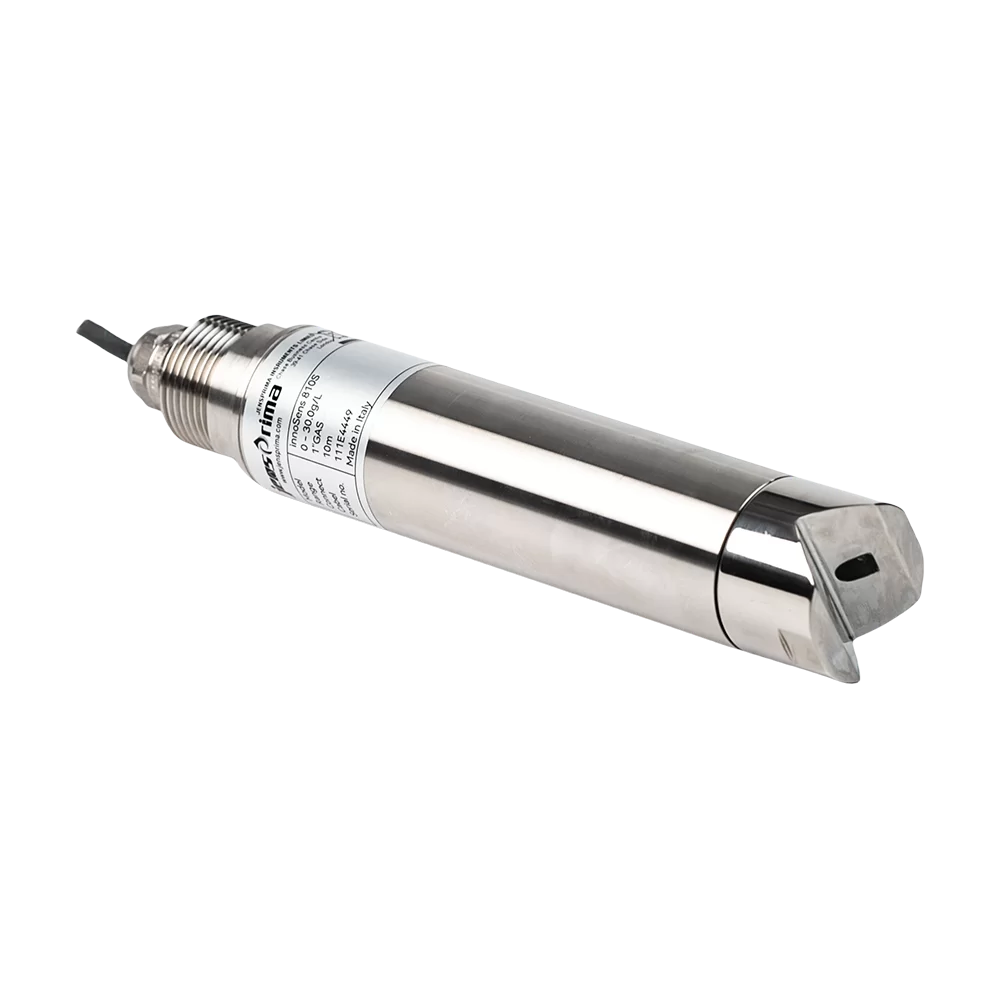
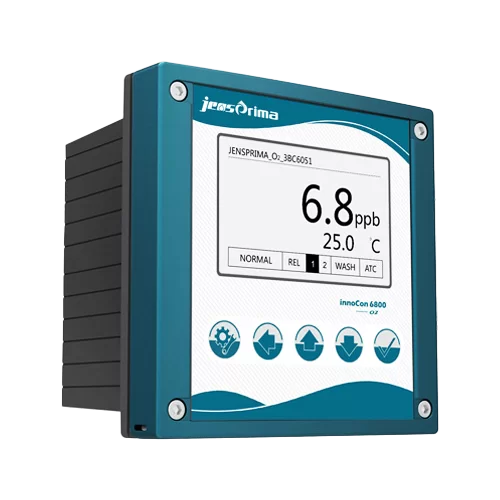
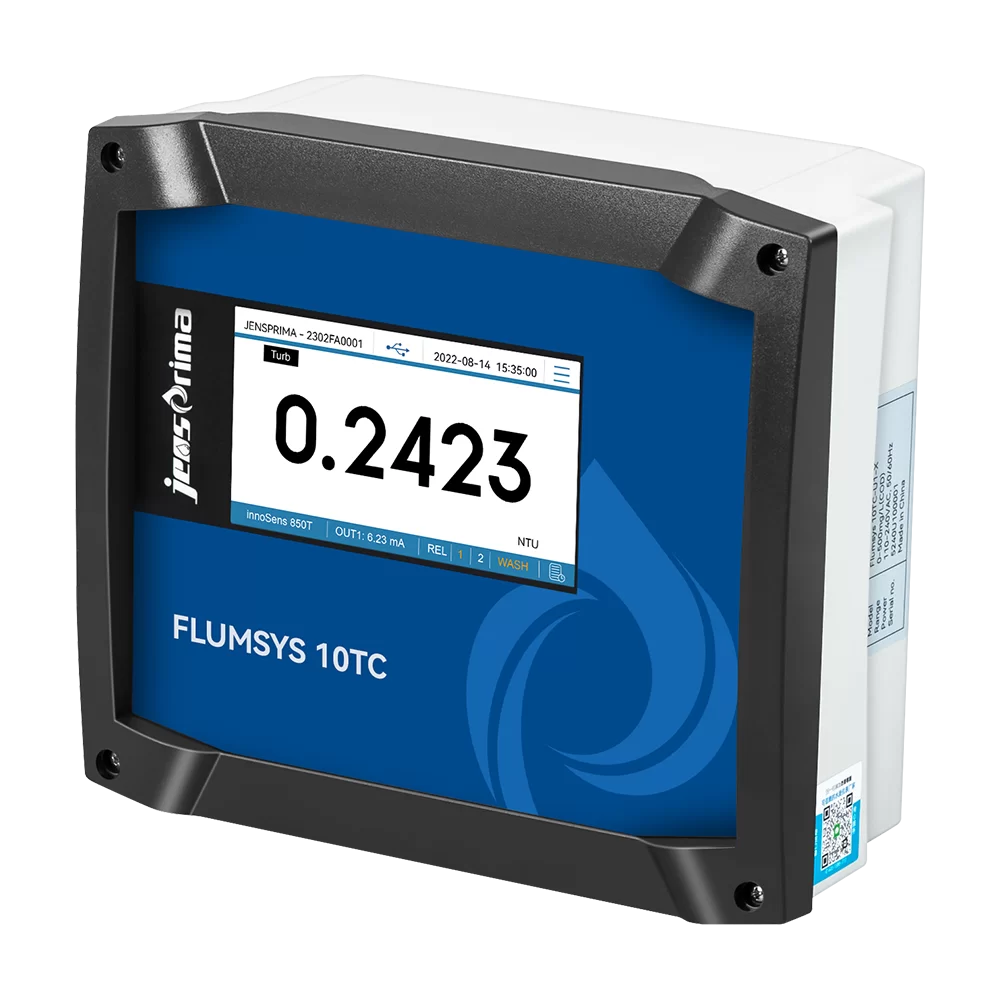
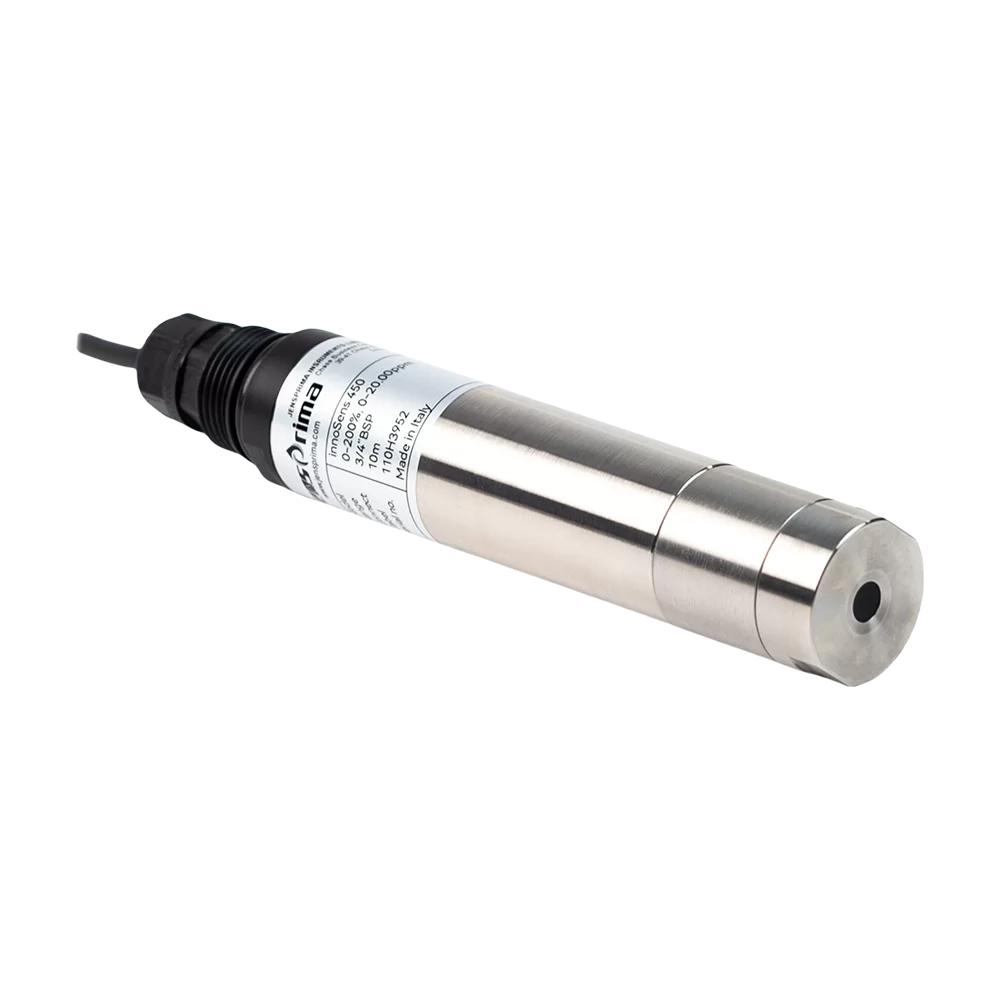
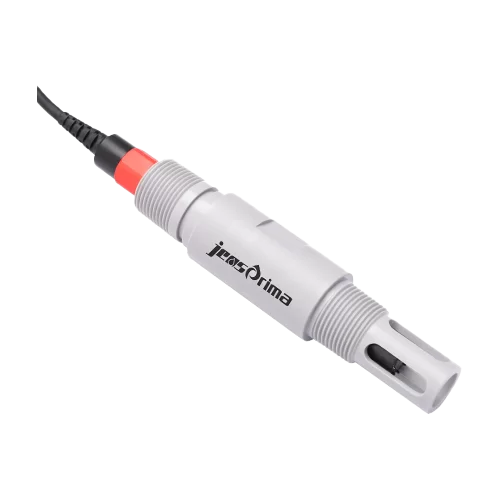
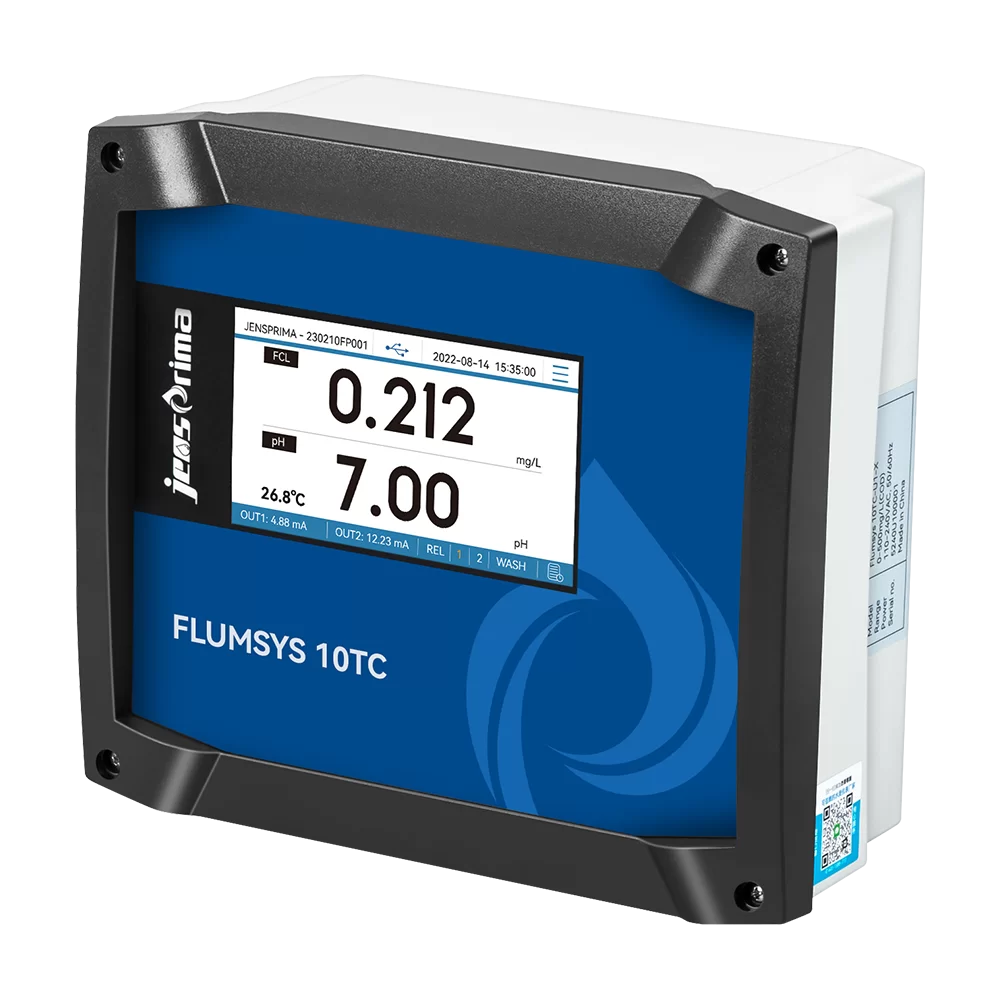
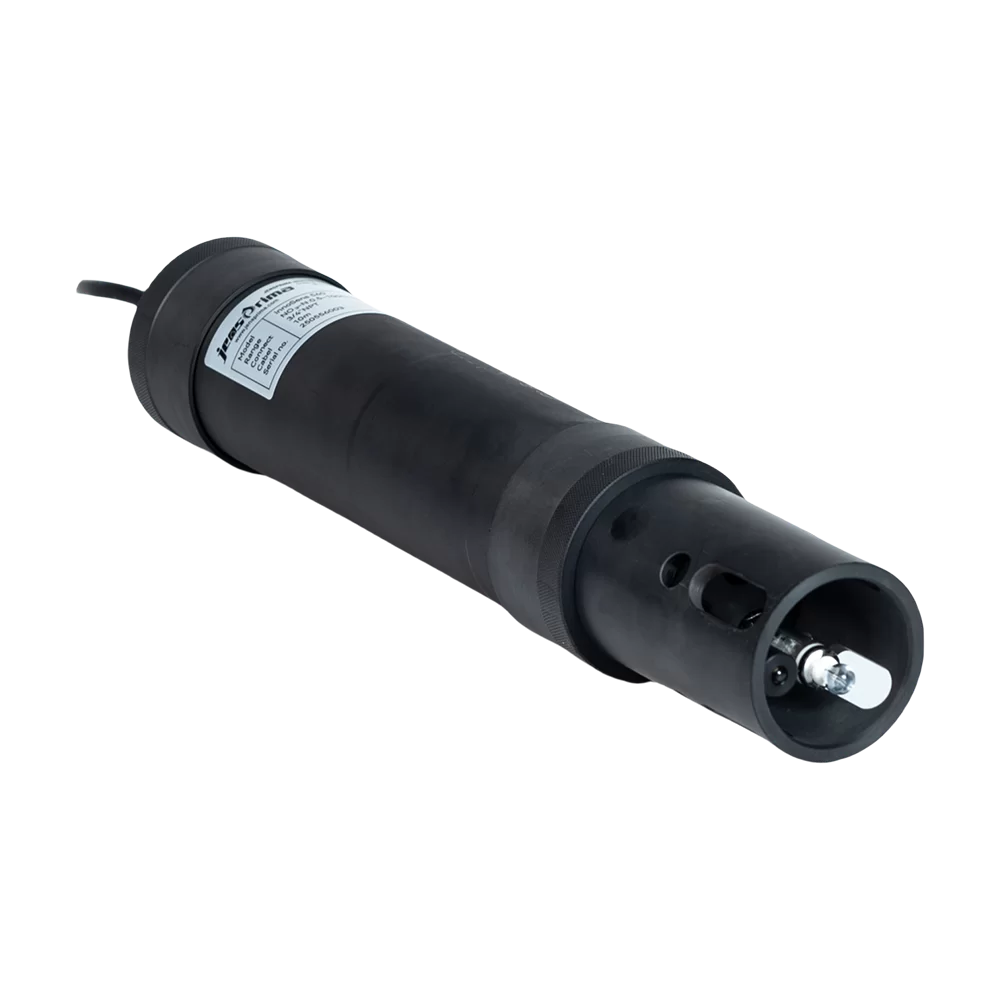
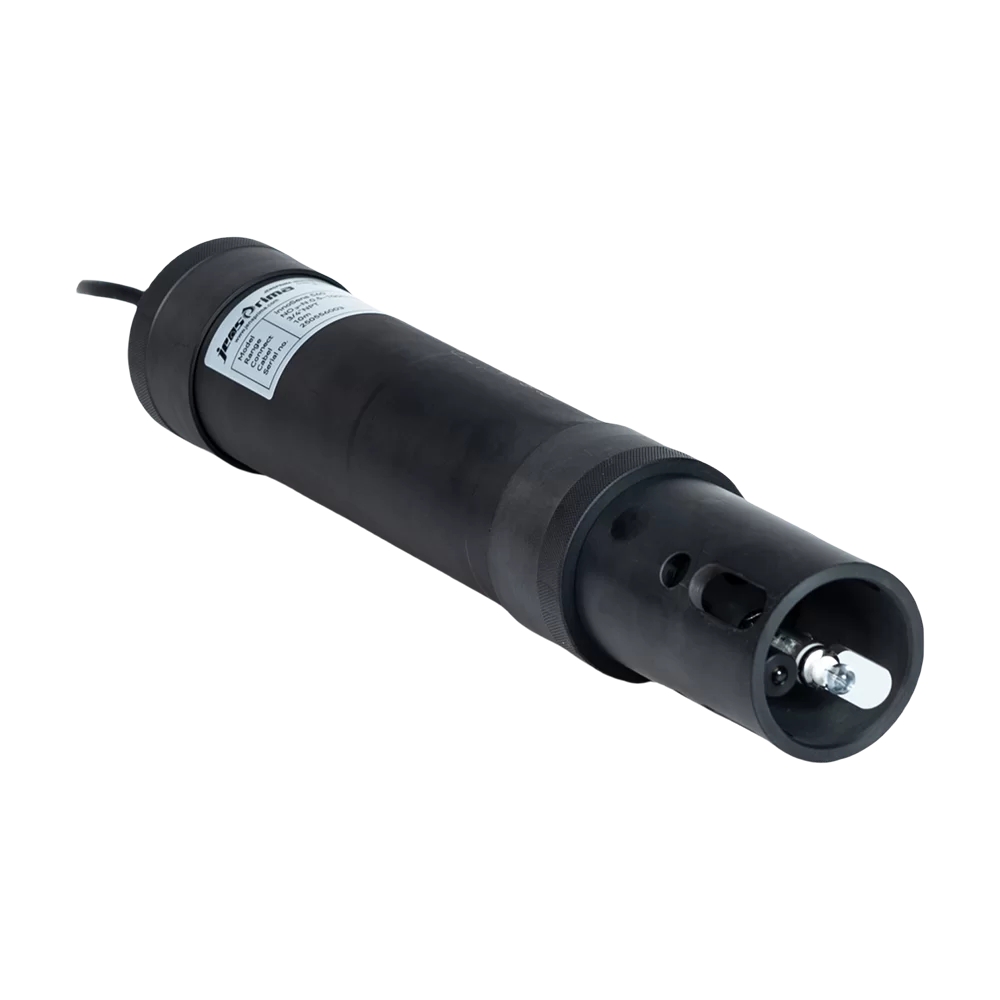
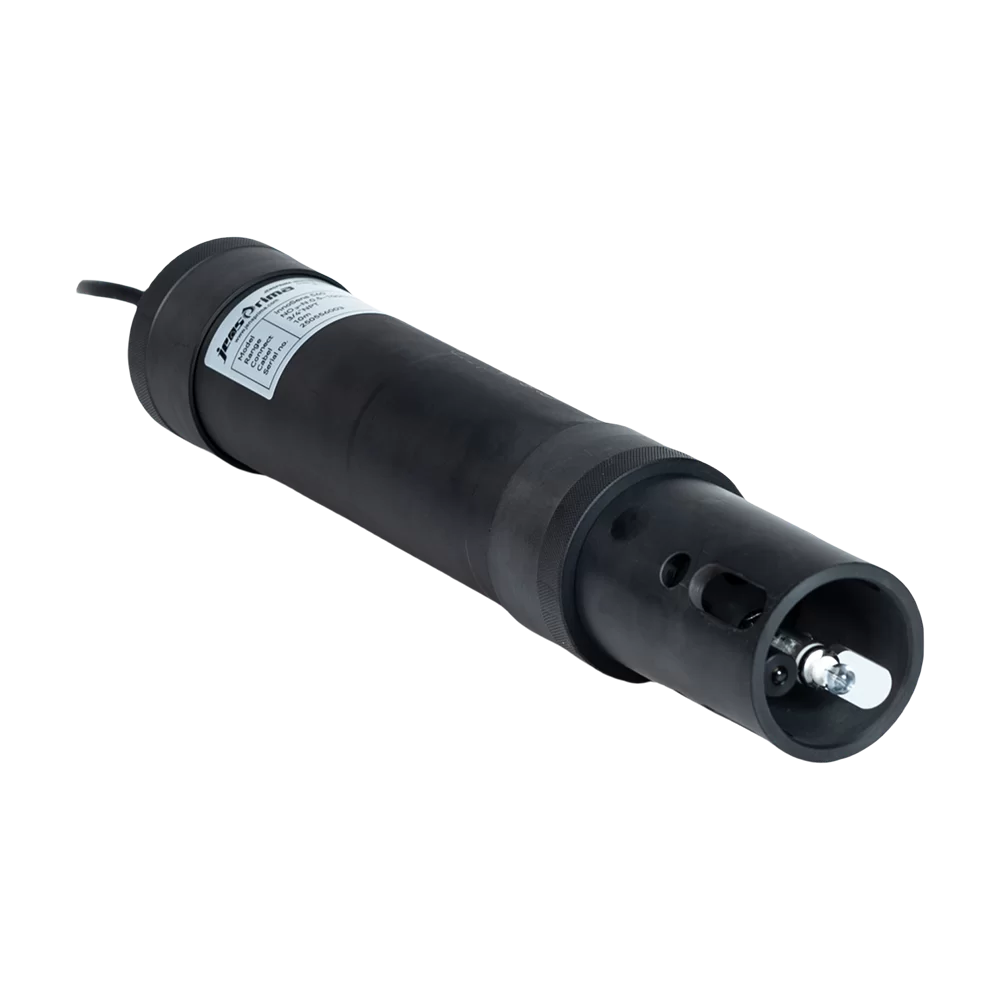
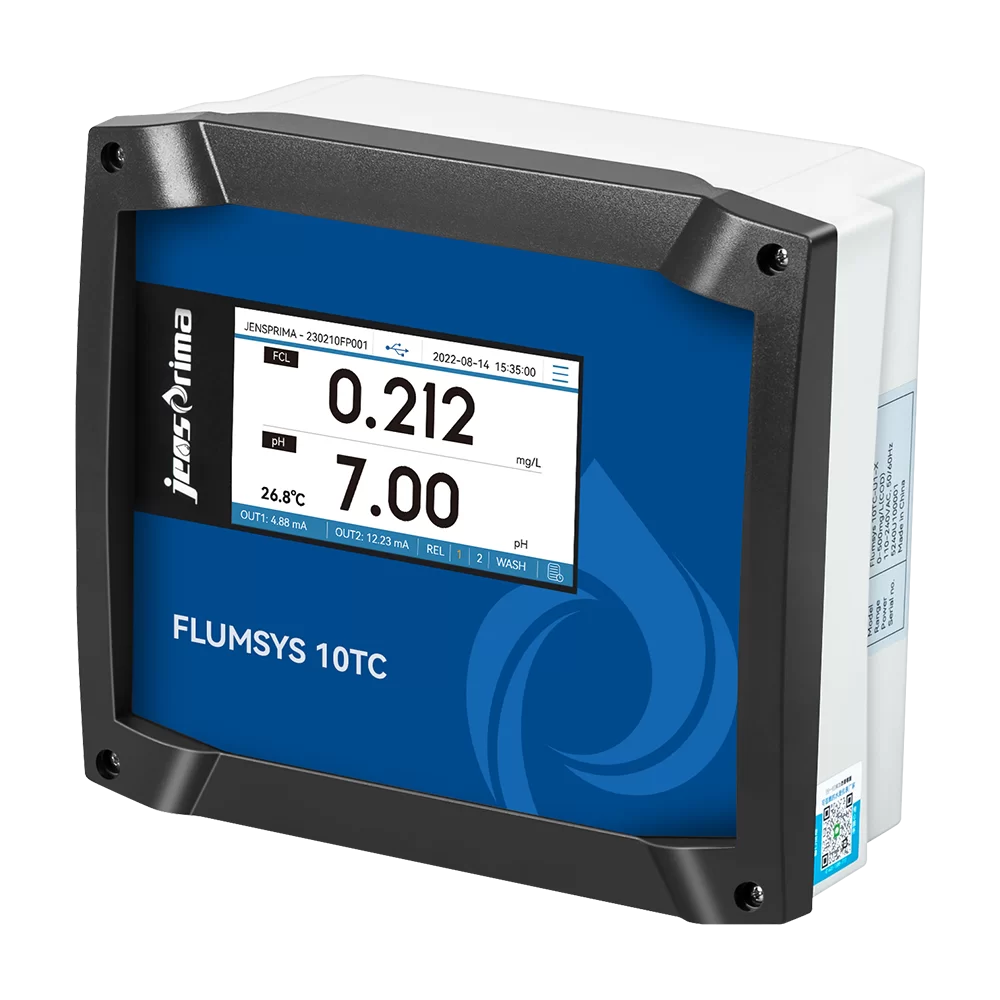
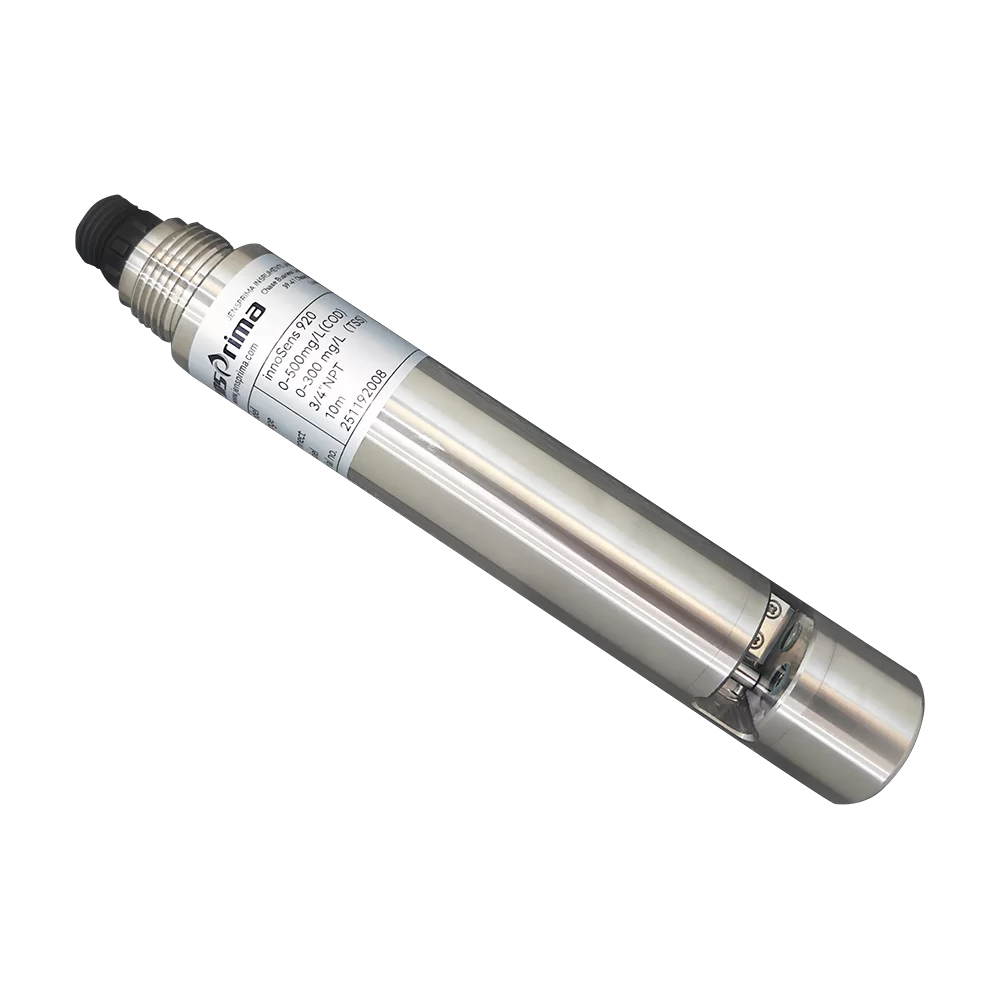
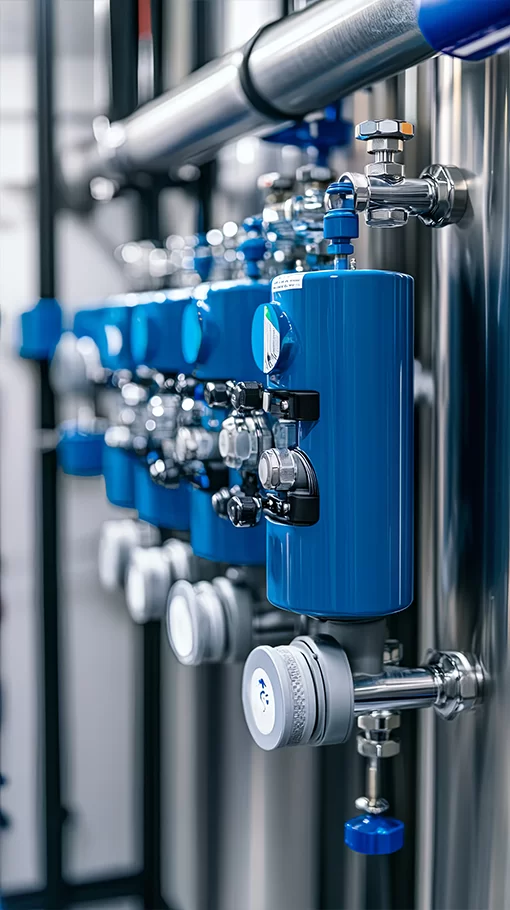
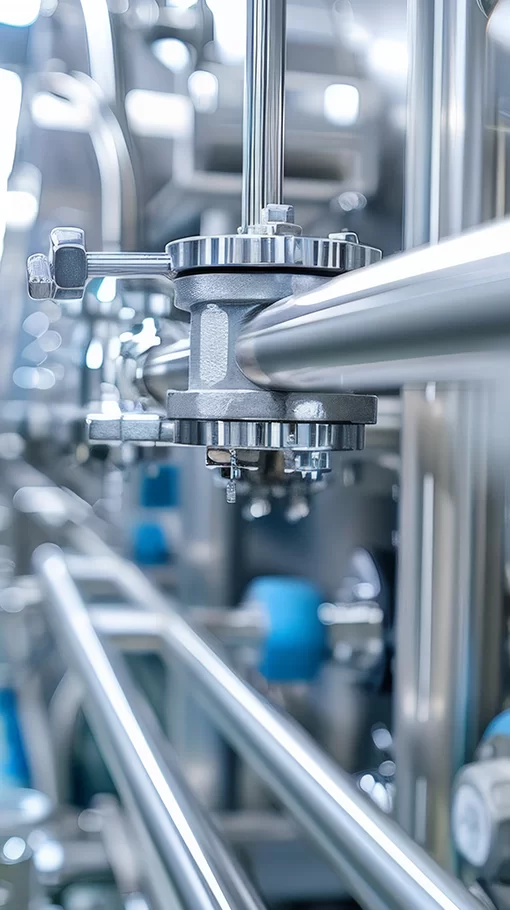
Pure water maintains crucial importance across multiple industrial sectors including electronics, power generation, pharmaceuticals, food processing, petroleum, and chemical industries, serving as an indispensable foundational material for numerous production processes. Its applications encompass cleaning, cooling, dissolution, and dilution operations, with many industrial processes becoming infeasible without high-purity water. The implementation of ultra-pure water systems and online water quality monitoring instrumentation represents vital supporting infrastructure for chip manufacturing equipment. This specific project involved the selection and installation of the PACON 4200 Online Hardness Water Analyzer at Corning Display Technologies (Hefei) Co., Ltd., demonstrating the instrument's reliability in critical semiconductor manufacturing environments. JENSPRIMA Instruments provides comprehensive water quality monitoring solutions including online hardness analyzers alongside specialized instruments for total hardness, total alkalinity, streaming current/SCD, residual chlorine, turbidity, and digital sensors. These solutions deliver practical water quality management capabilities, ensuring that high-purity water conditions prevent contamination during chip fabrication processes, ultimately establishing water quality as an industrial production fundamental.
IV. Measurement Parameters and Extended Applications
In semiconductor manufacturing, water quality directly influences production processes and final product reliability. Resistivity serves as a crucial indicator of water purity and electrical characteristics, as ultrapure water prevents circuit shorting and other electrical issues during semiconductor fabrication. Particulate matter and microbubbles adversely affect surface quality and performance characteristics of semiconductor products, necessitating strict control over their concentrations in process water. Dissolved oxygen and nitrogen represent factors influencing oxidation and corrosion mechanisms during semiconductor production, requiring continuous monitoring and management. Total Organic Carbon (TOC) functions as a key metric for organic contamination, since organic compounds can compromise semiconductor performance and long-term stability. Consequently, comprehensive monitoring and control of resistivity, particulate counts, bubble formation, dissolved gases, and TOC levels become essential practices within semiconductor water quality management systems, ensuring optimal production conditions and product integrity throughout manufacturing operations.


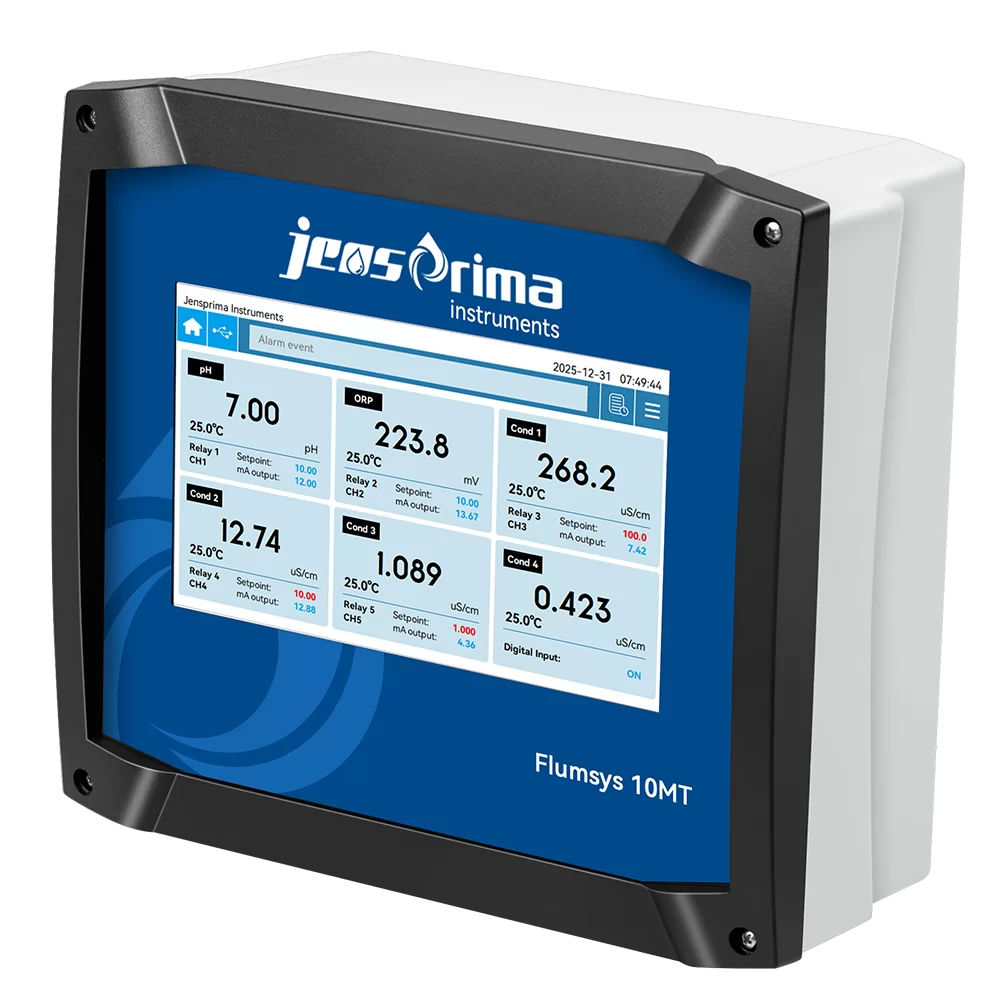
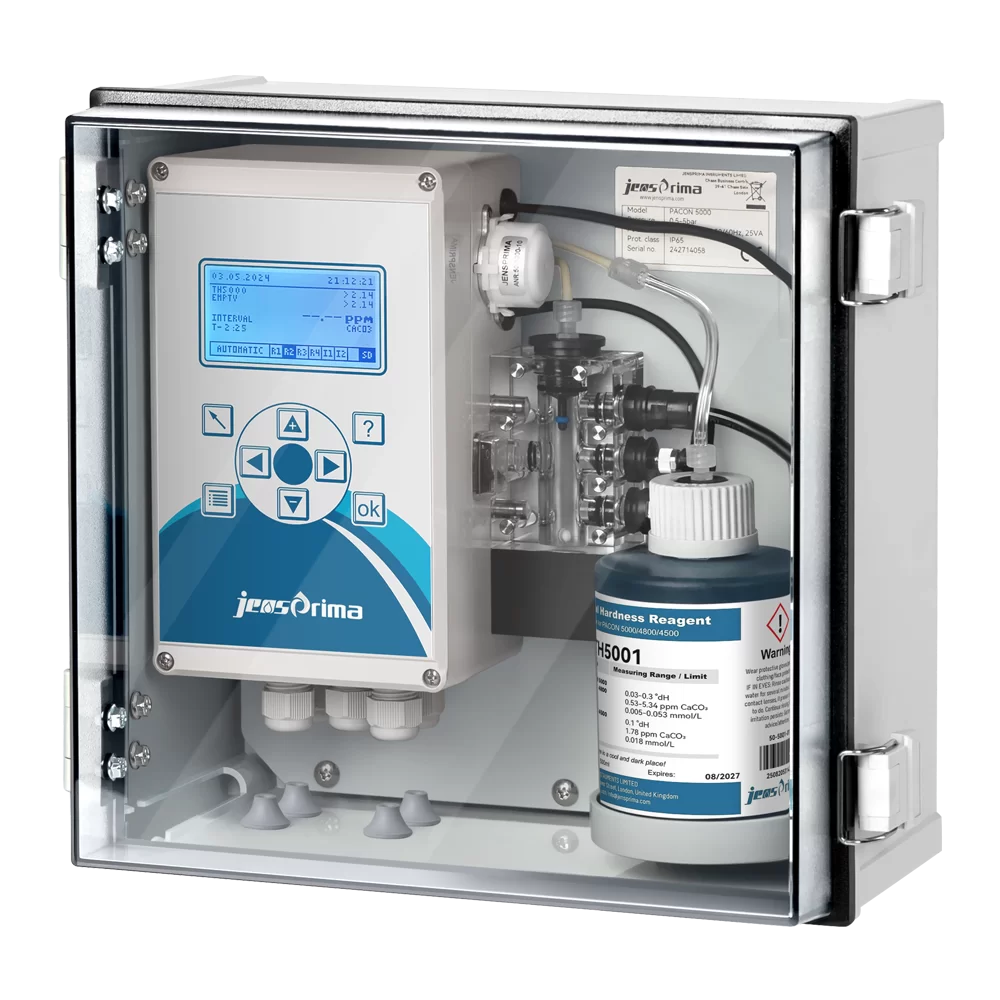
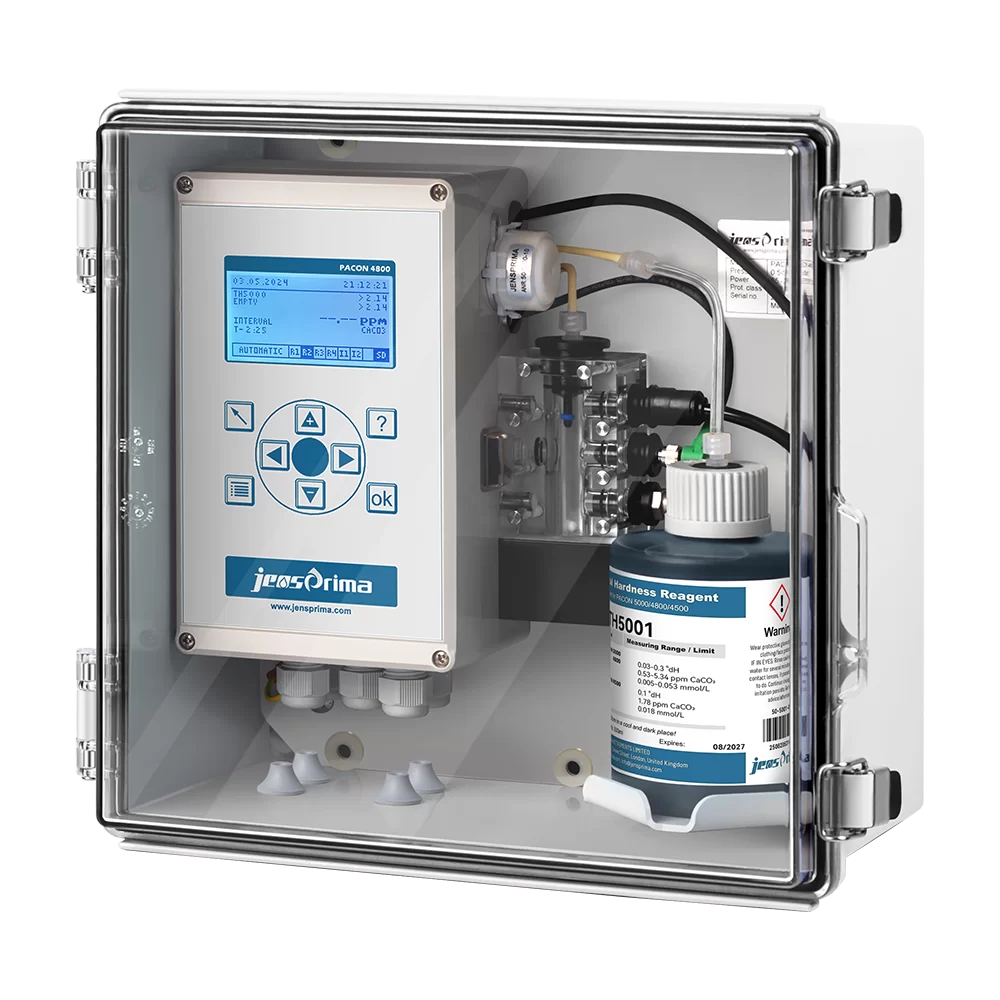
 Download
 Video Center
 Technical Services
 FAQS
FAQS Service Network
 Privacy Policy
 Contact Us




 LEARN MORE
![[Hardness] Water Hardness Unit Conversion Table](https://wp10056.cnmqh.com/images/1-20251023015852.webp "[Hardness] Water Hardness Unit Conversion Table")