-
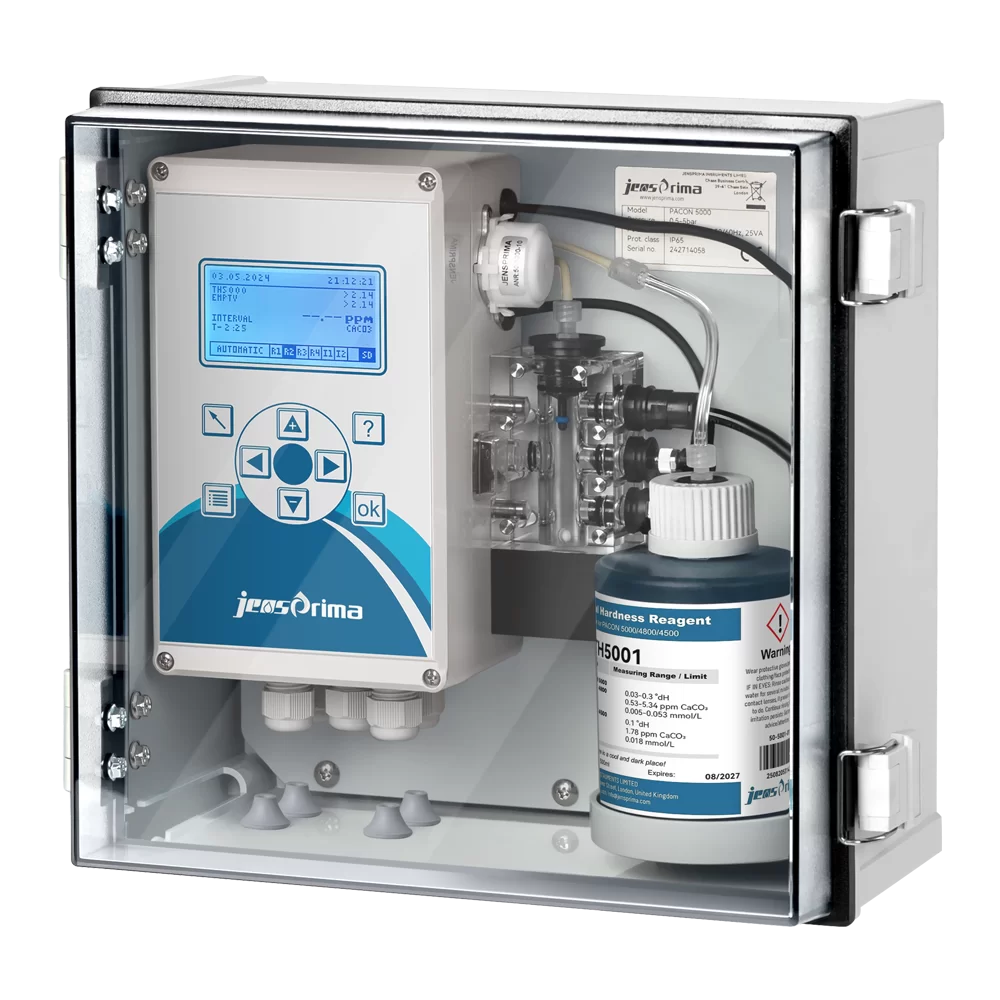
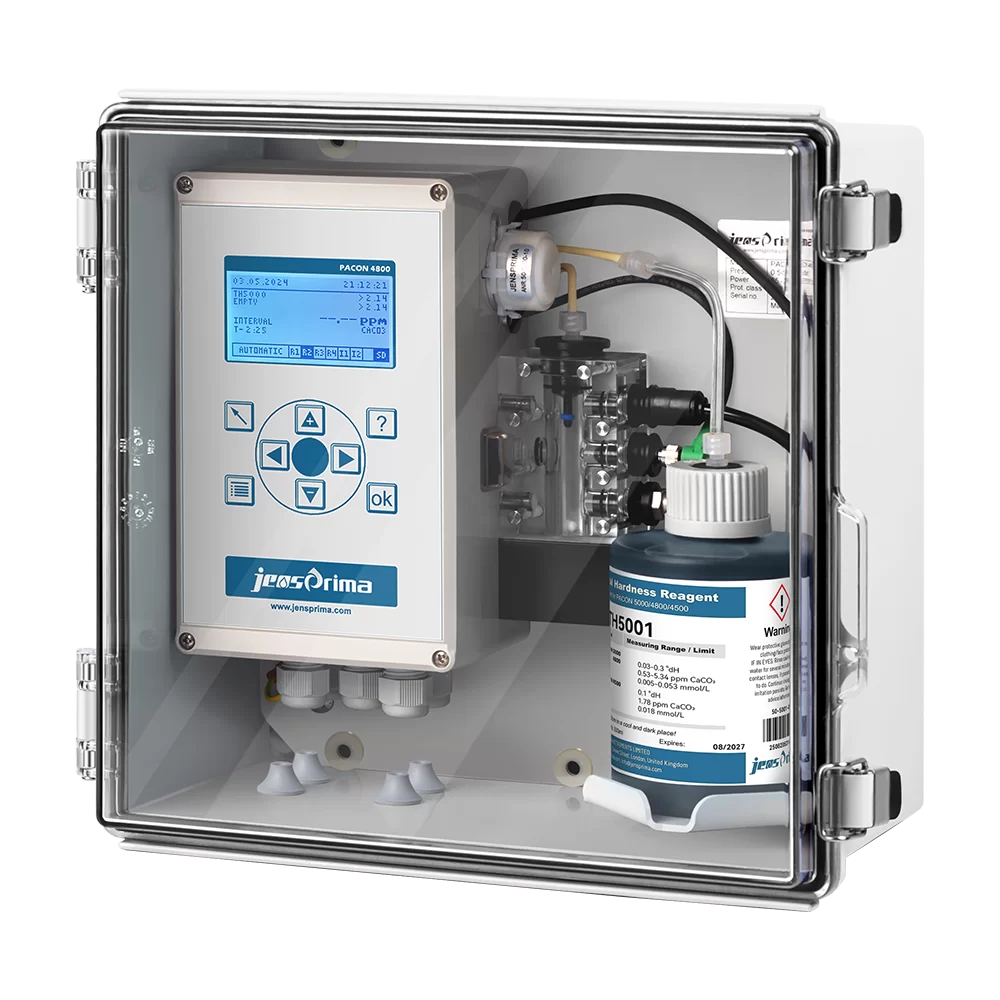
Does the PACON 5000 & 4800 require maintenance?
A :
To ensure long-term, interference-free operation, regular maintenance based on site conditions is essential. Follow the manufacturer's recommendations for scheduled maintenance.
-
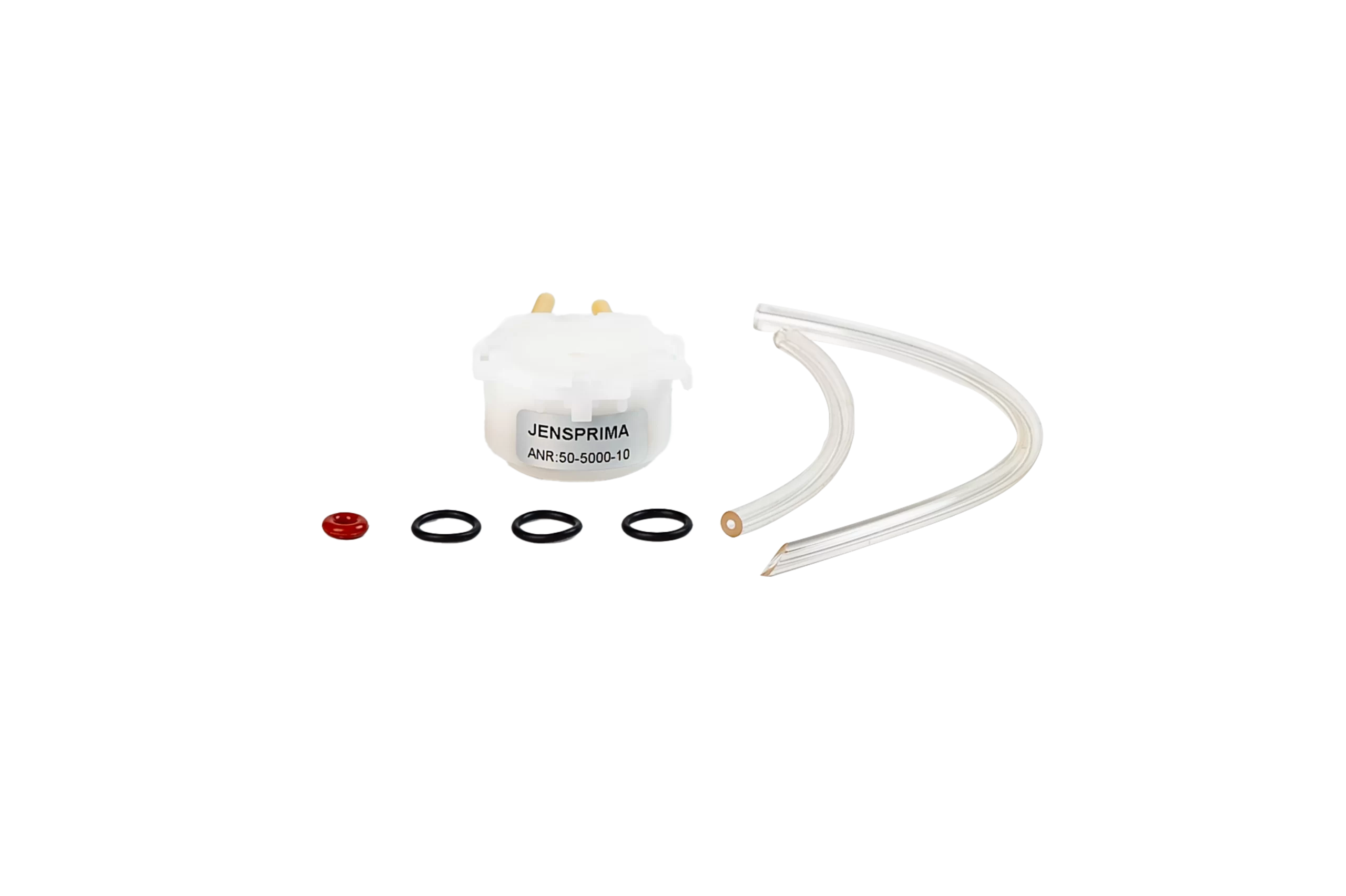
What does the standard spare parts kit for PACON 5000&4800 include?
A :
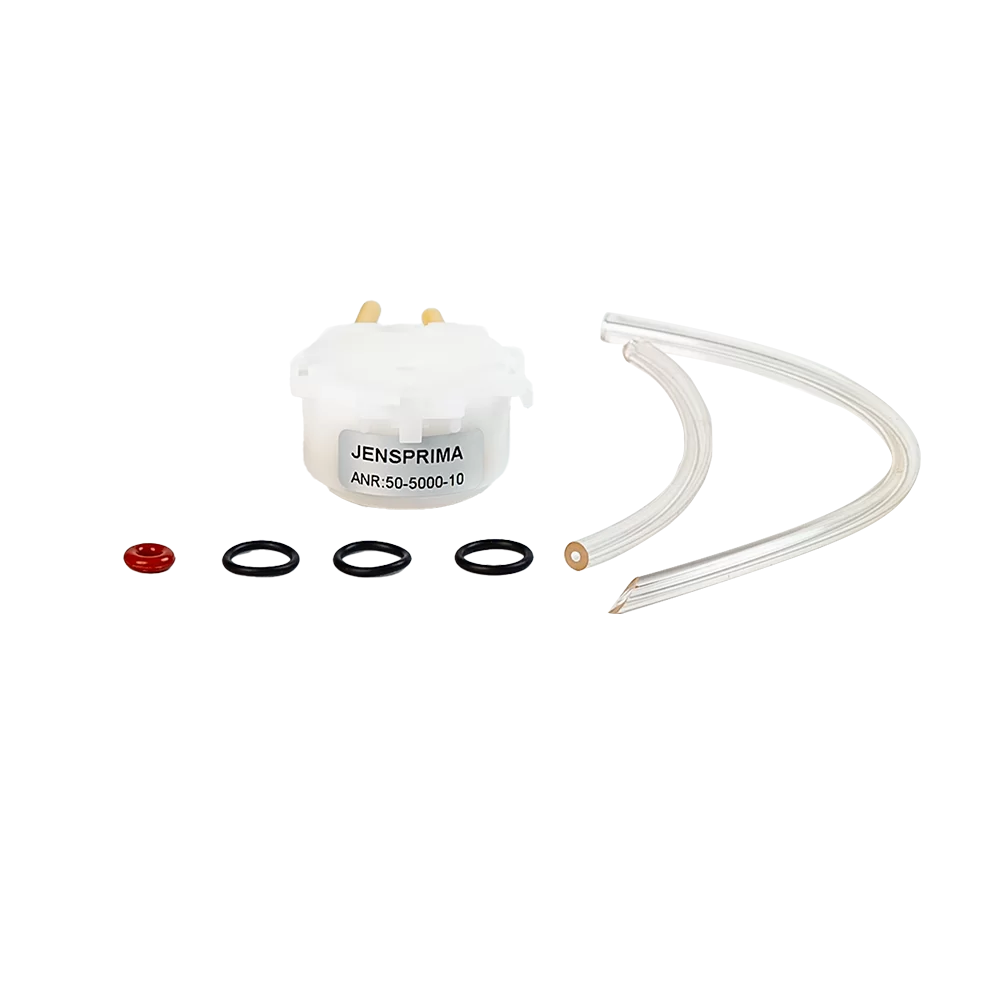
The standard spare parts kit is recommended for annual replacement.
Kit (50-5000-10) includes: Pump head (with tubing), all seals, stirrer blade, reagent bottle connection tubing.
-
When should measurement reagents be replaced? How to install/replace reagents?
A :
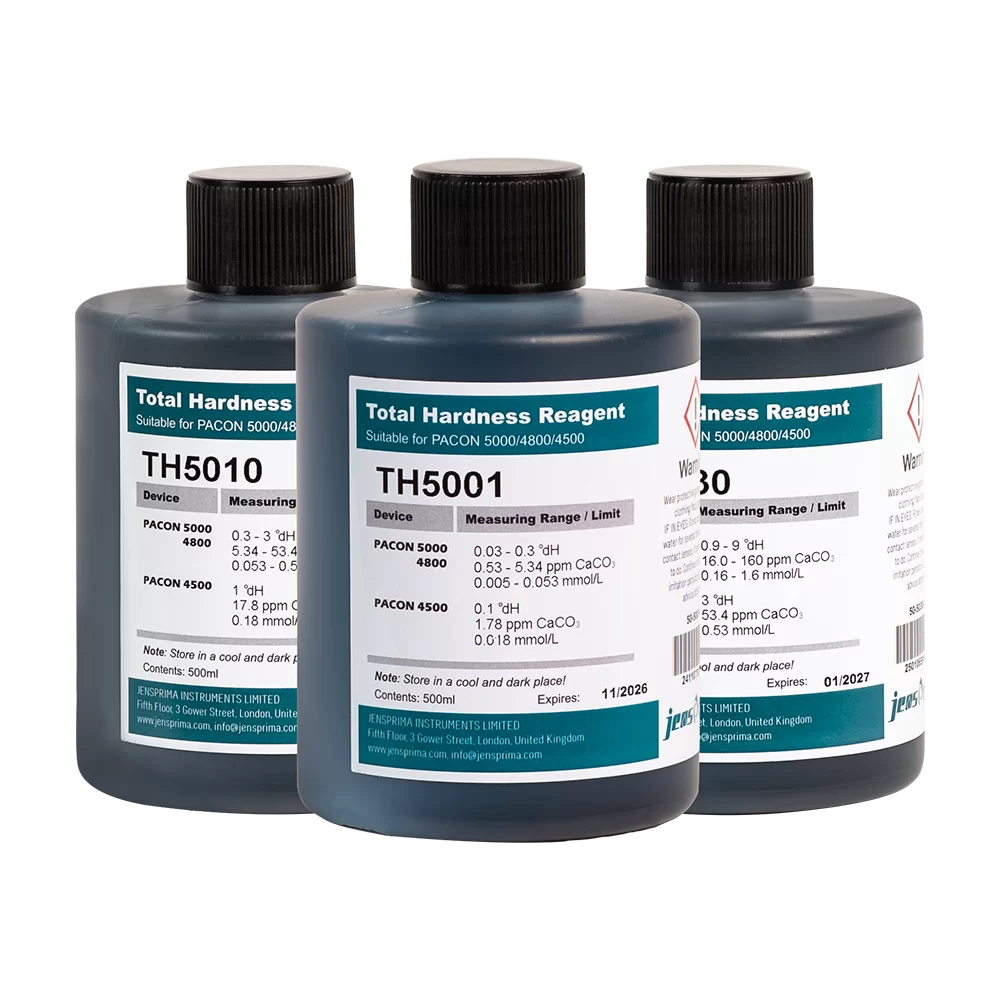
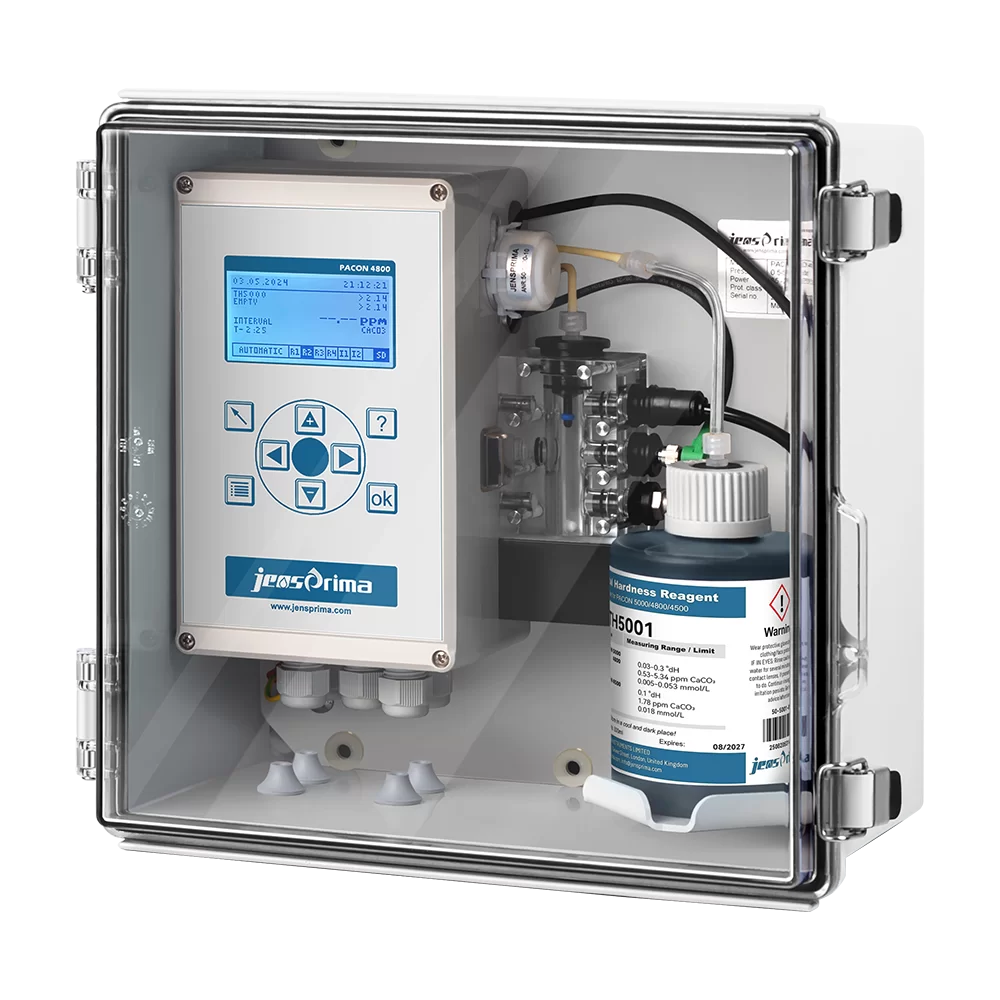
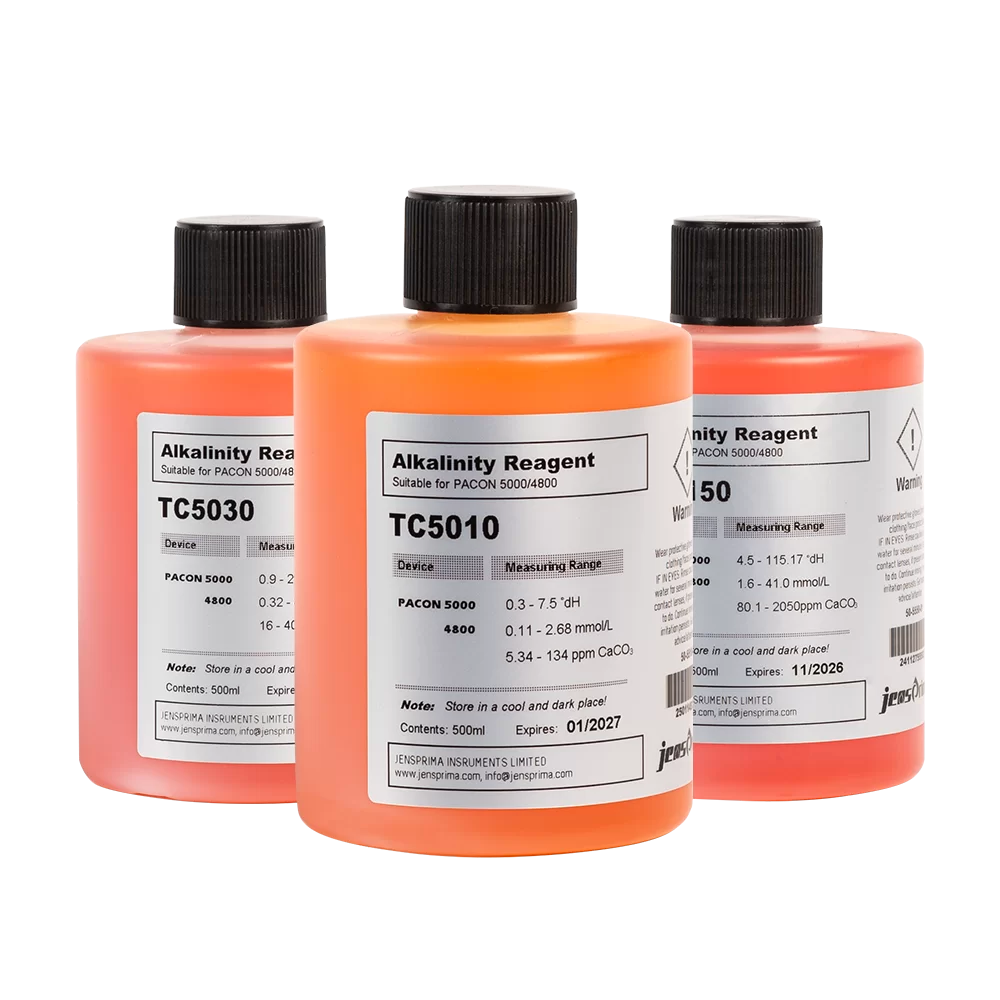
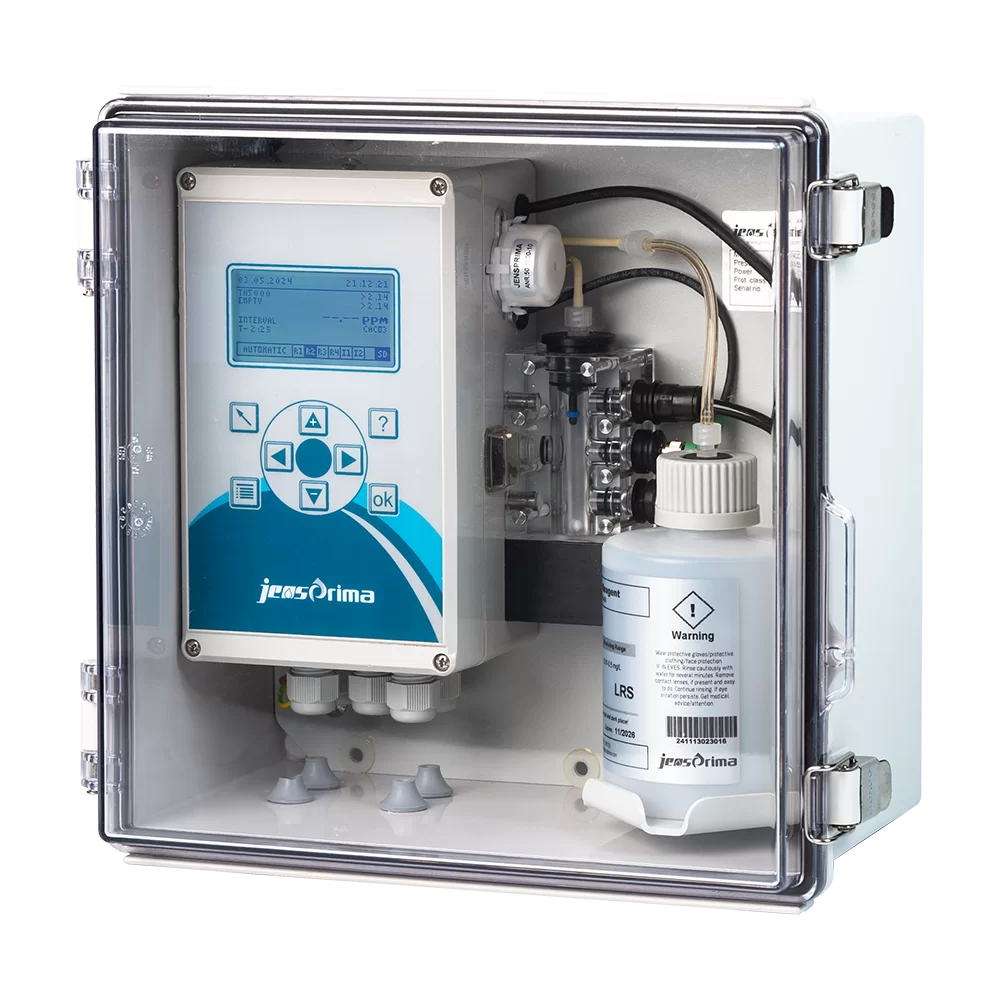
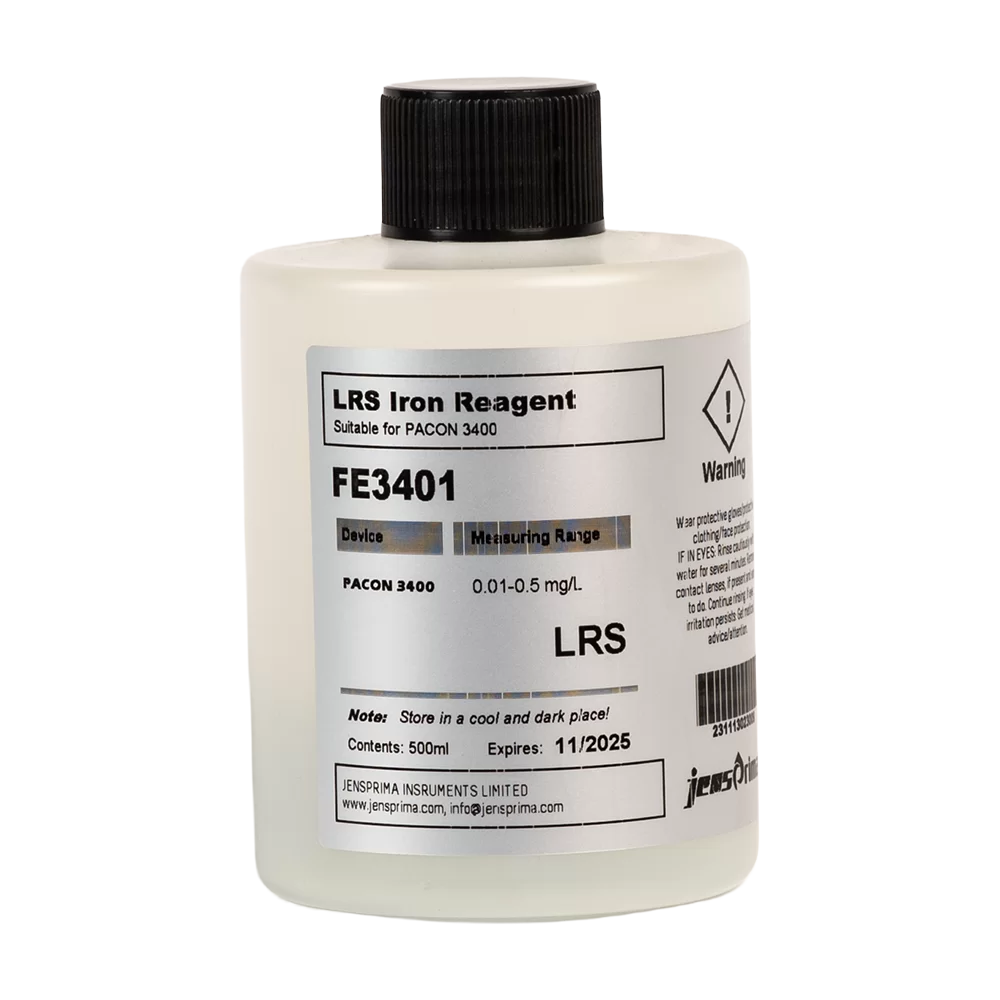
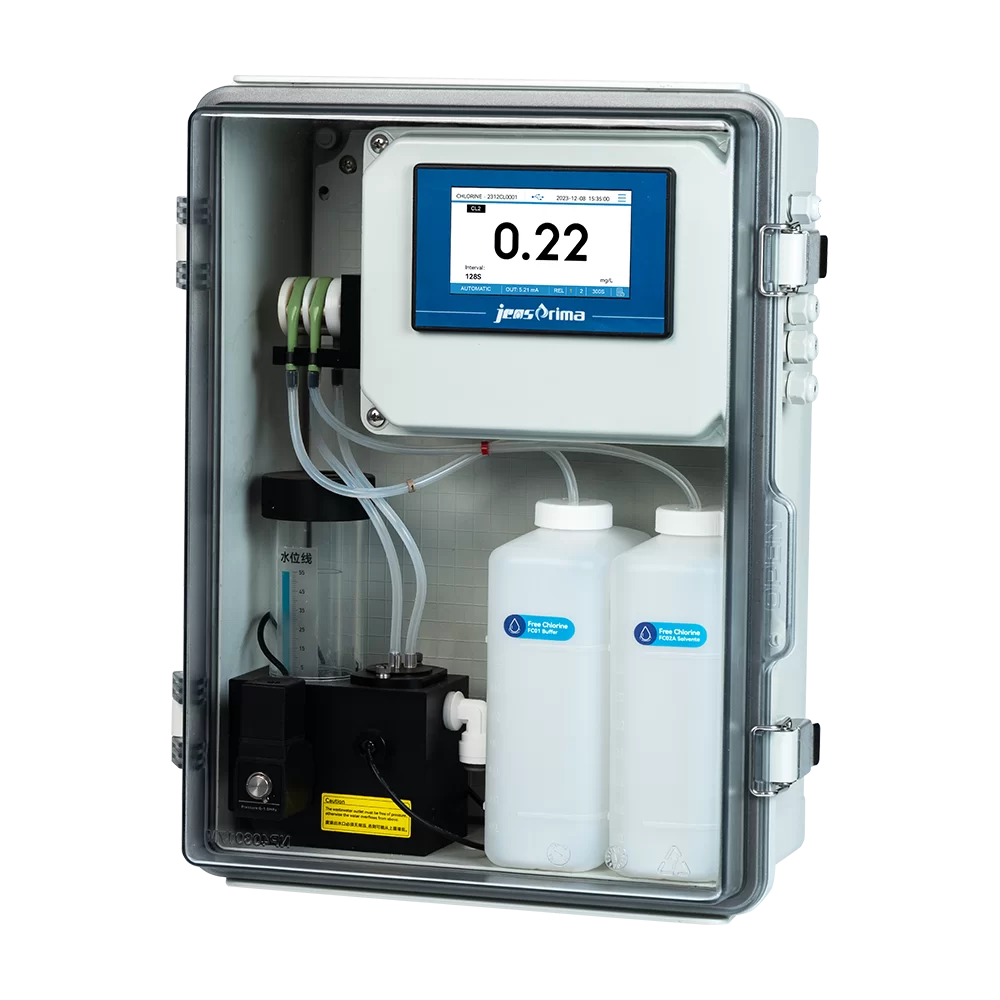
Hardness reagents are consumables. Replace them when depleted or expired.
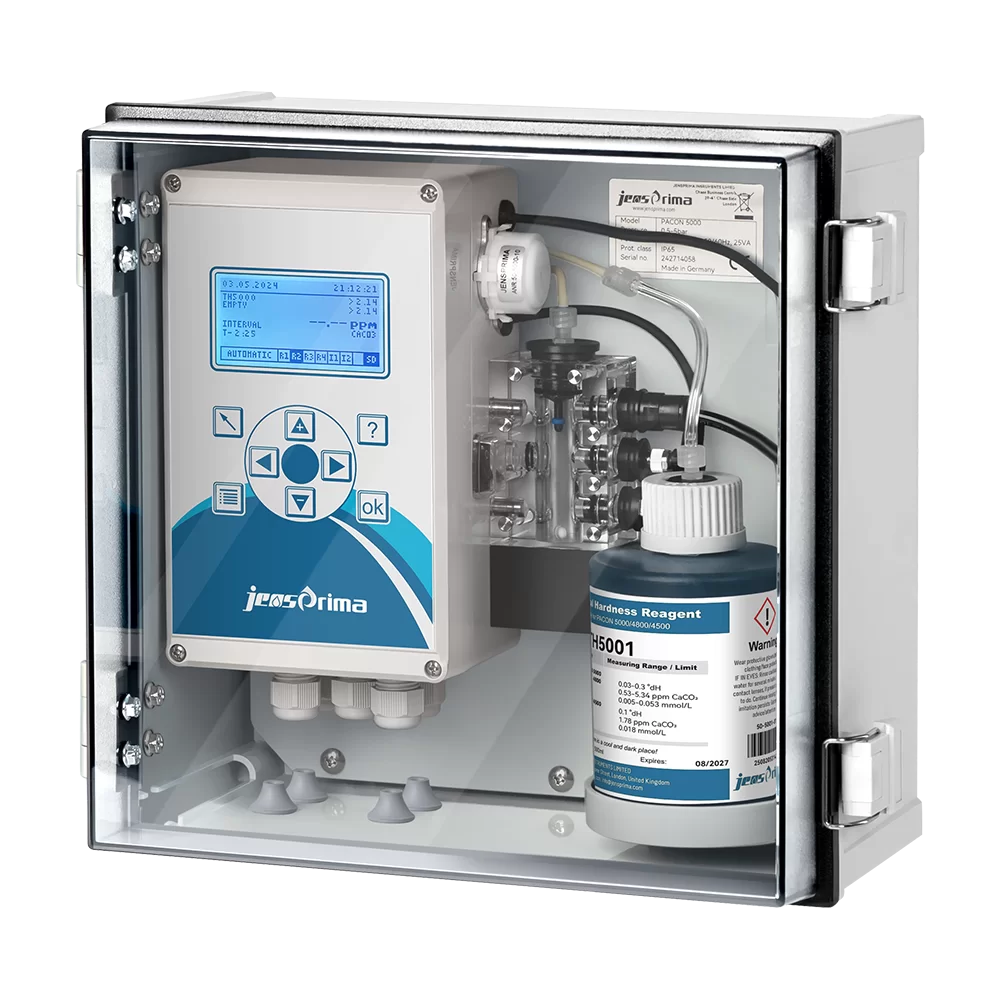
1. Open the instrument access door.
2. Unscrew the reagent bottle cap.
3. Open the plastic bag attached inside the access door containing the reagent bottle connector.
4. Secure the reagent bottle to the connector as shown in the right diagram and tighten.
5. Place the installed reagent onto the base inside the instrument.
6. On the measurement interface, press the right help key to fill the reagent and reset it to 100%.
-
How to replace the dosing pump head?
A :
The dosing pump head requires periodic replacement (recommended annually). The 50-5000-10 Hardness Spare Parts Kit is available for purchase.
Replacement steps:
1. Turn off the instrument power.
2. Disconnect the connections to the dosing plug and reagent bottle.
3. Press the spring clips above and below the dosing pump head, then pull outward to remove it.
4. Pull both safety pins outward, gently lift the plug upward, and remove the dosing plug from the top of the measuring chamber.
5. Discard the old dosing pump head and tubing.
-
When should the measuring chamber be cleaned?
A :
When visible contamination is present on the measuring chamber, it must be removed for cleaning.
Follow these steps to clean the measuring chamber:
1. Press the spring clips above and below the dosing pump head, then pull outward to remove it.
2. Disconnect the connections to the dosing plug and reagent bottle.
3. Pull the stainless steel safety pin outward until all plugs can move freely. Do not remove the safety pin completely.
4. Remove the measuring chamber from the retaining pins on the control box.
5. Rinse the measuring chamber with clean water.
-
When should the solenoid valve be cleaned?
A :
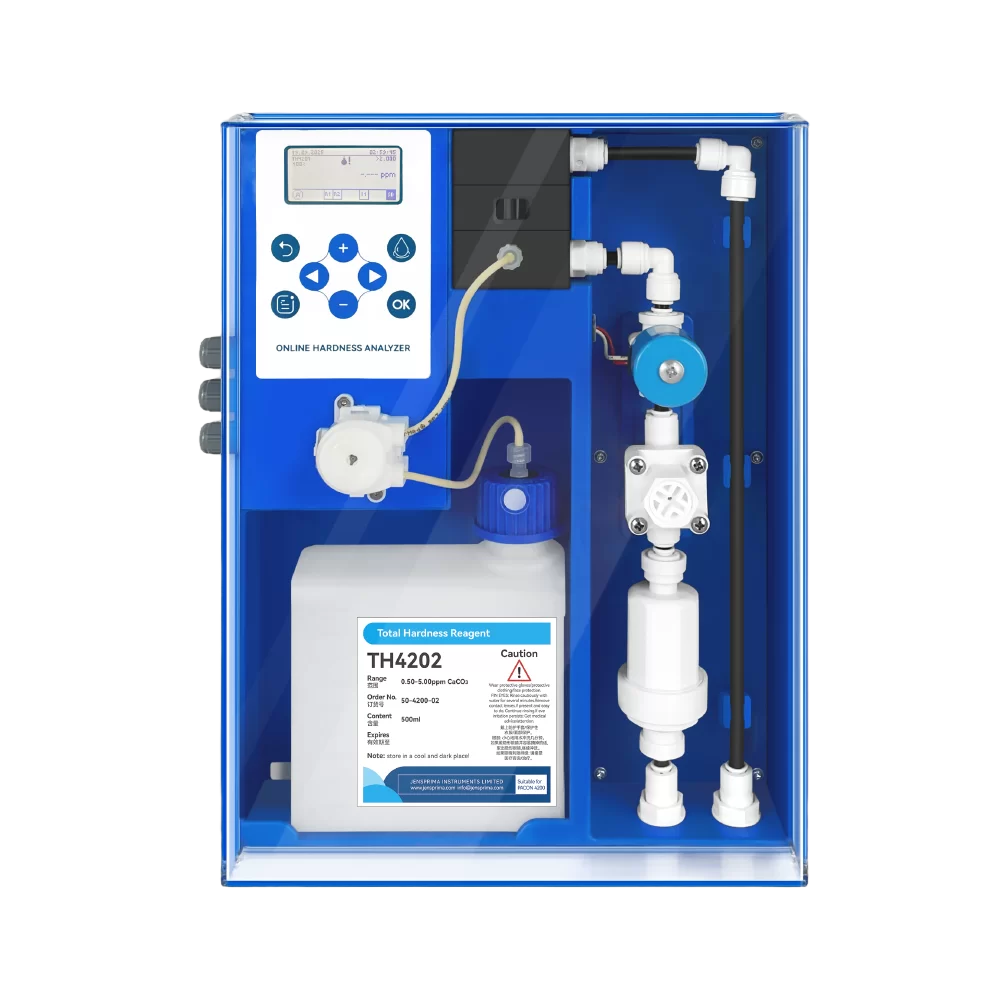
If the on-site water quality is dirty or has high hardness concentration, it may clog the solenoid valve. Manual disassembly and cleaning are required.
Cleaning steps for the solenoid valve:
1. The solenoid valve is located behind the reagent bottle. Remove the reagent bottle.
2. Use a wrench to loosen the stainless steel nut on the lower left side beneath the reagent tray.
3. Lift the pin at the inlet end of the measurement chamber and remove the inlet head.
4. Loosen the nut on the right side of the solenoid valve and detach the electrical assembly.
After disassembly, cleaning, and unclogging, reassemble everything as originally configured.
Exercise extreme caution when disassembling the solenoid valve to avoid damaging the connectors.
-
Can this equipment respond instantly to process changes during coagulation treatment? If so, how long does it take to respond? For example, if turbidity readings are high/low, can the unit automatically adjust the injection of coagulant/flocculant metering pumps?
A :
Answer: Our response time is 1 second, enabling real-time reaction. The equipment can automatically control the dosing pump via PID to add flocculant. Typically, we adjust the optimal flocculant dosage based on seasonal variations, which is usually fixed. During sudden events like the rainy season causing elevated turbidity, manual intervention is required to promptly control chemical dosing (theoretically possible in real-time, though not yet implemented in practice).
-
Can this device be configured as an automatic flow-monitoring dosing system for coagulants/flocculants? If so, how is the dosage set?
A :
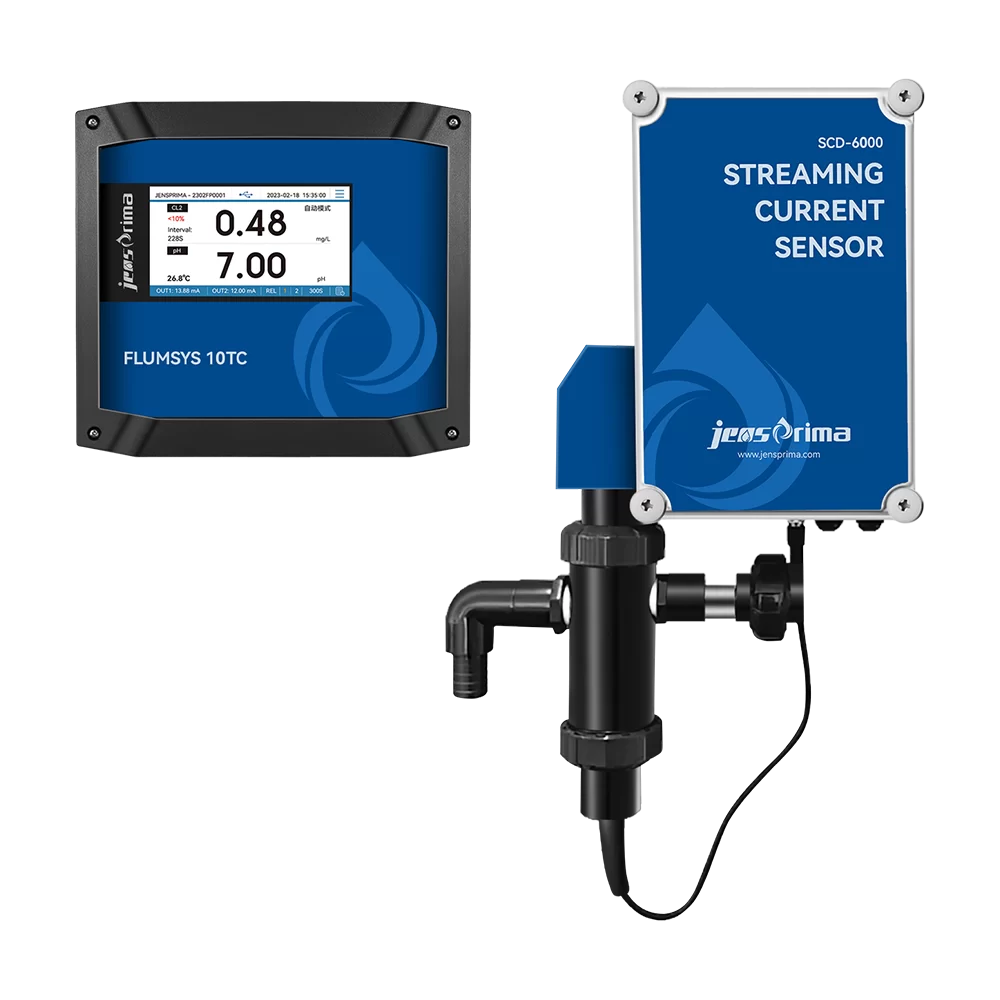
Answer: No. The SCD serves only as a reference unit to assist with on-site chemical cost management.
-
Can this device guarantee reliable coagulation?
A :
Answer: Reliability cannot be guaranteed due to variations in on-site processes. Optimal values must be precisely determined through jar tests. (Optimal flocculation state)
-
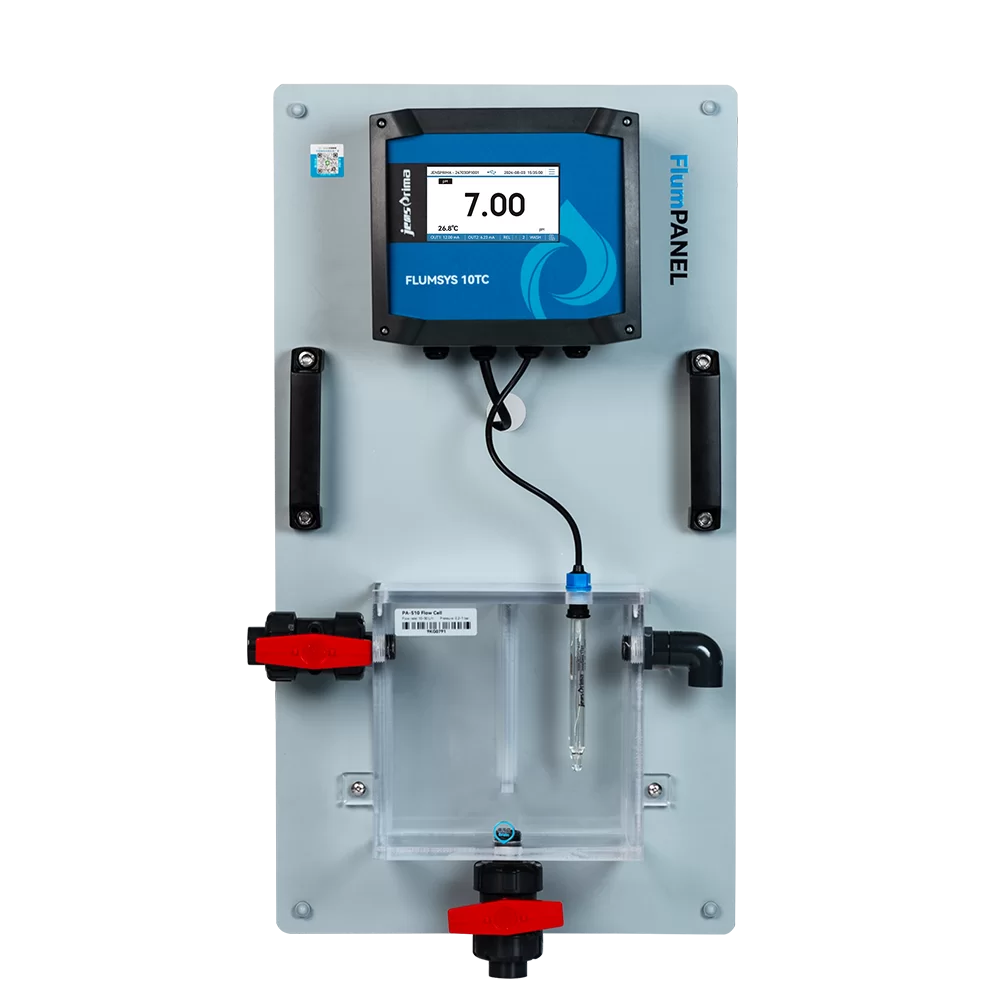
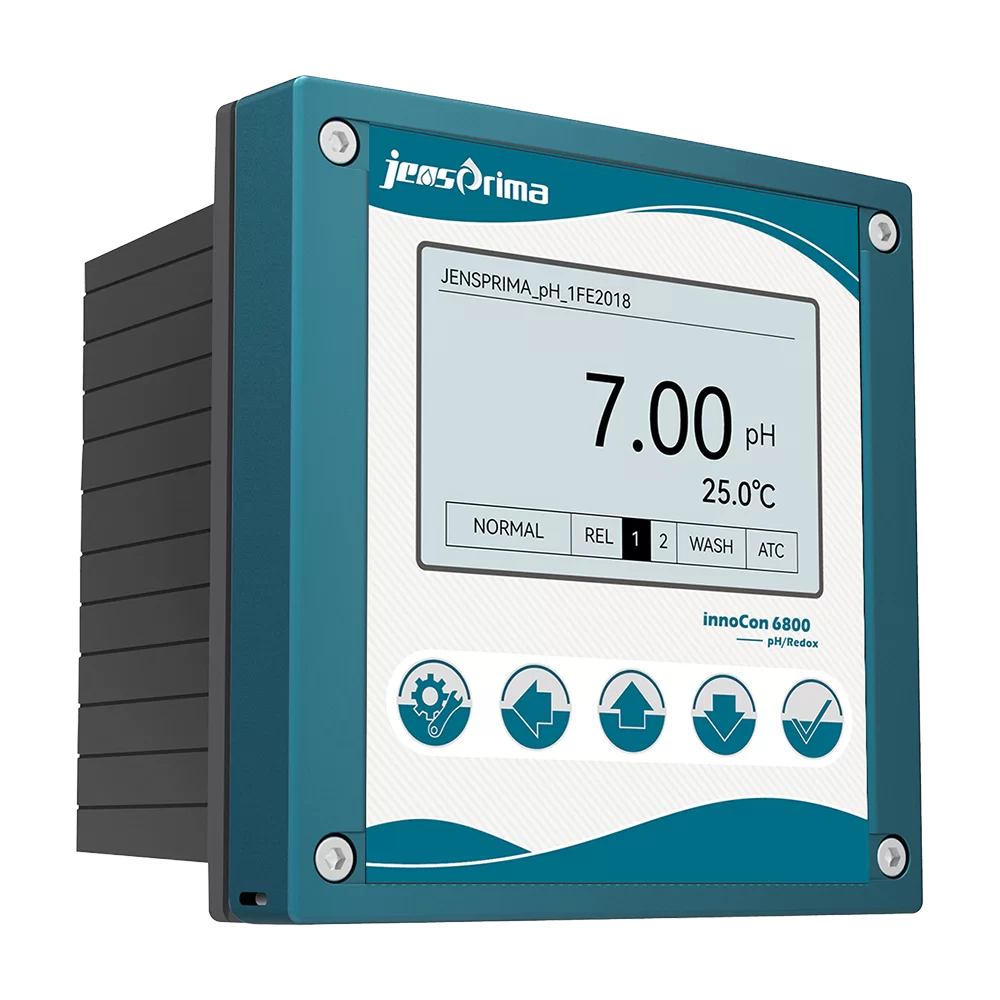
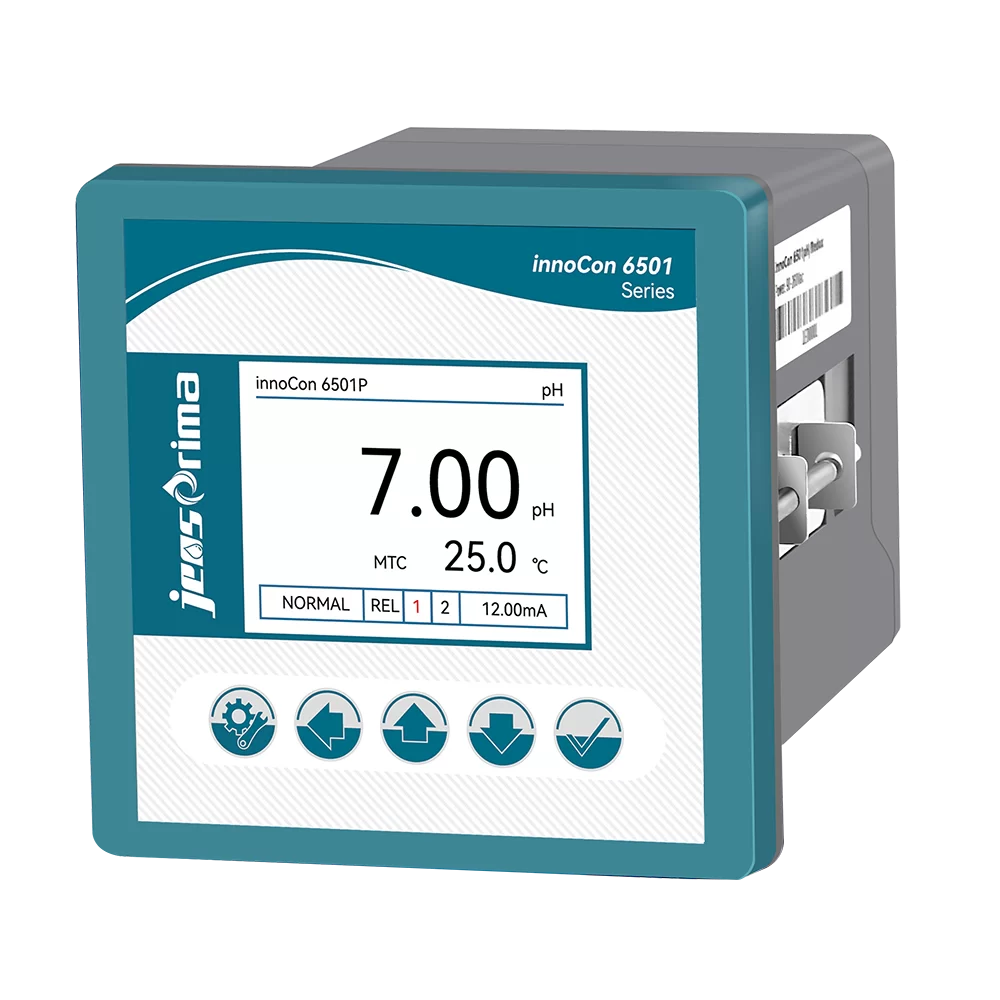
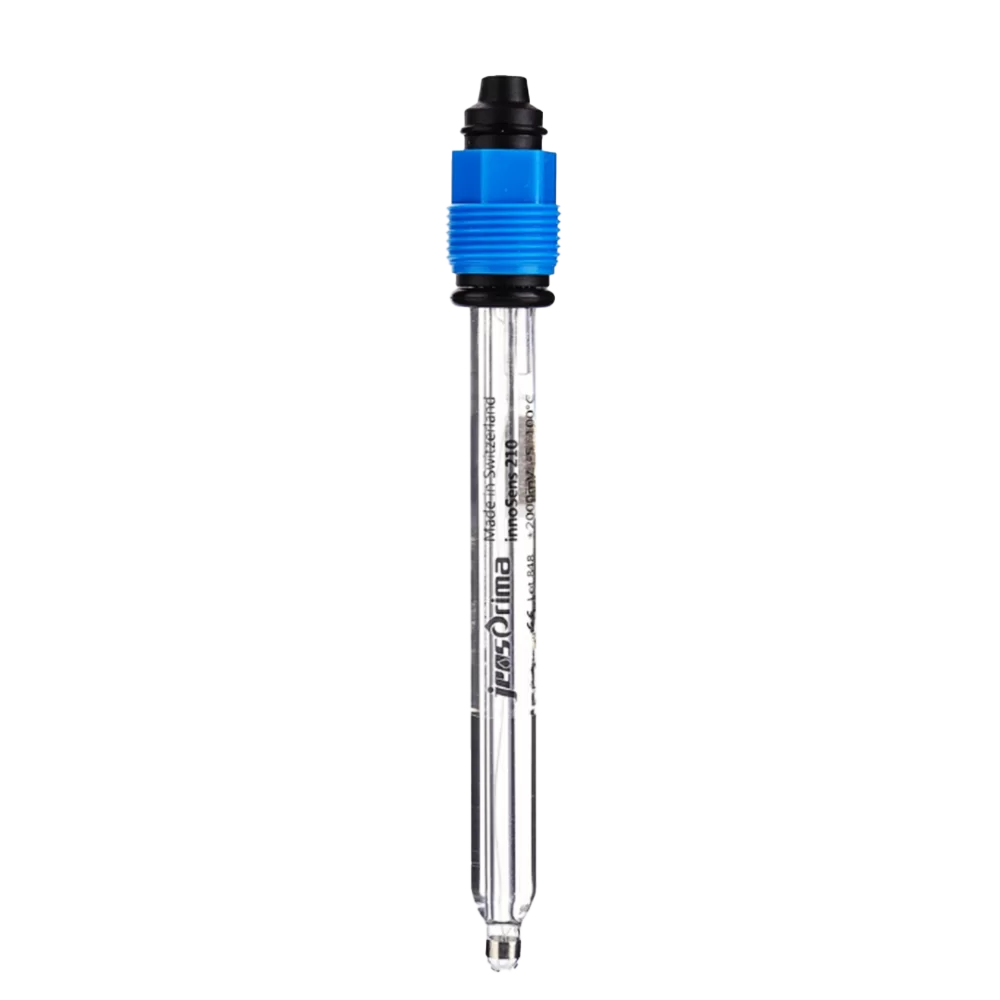
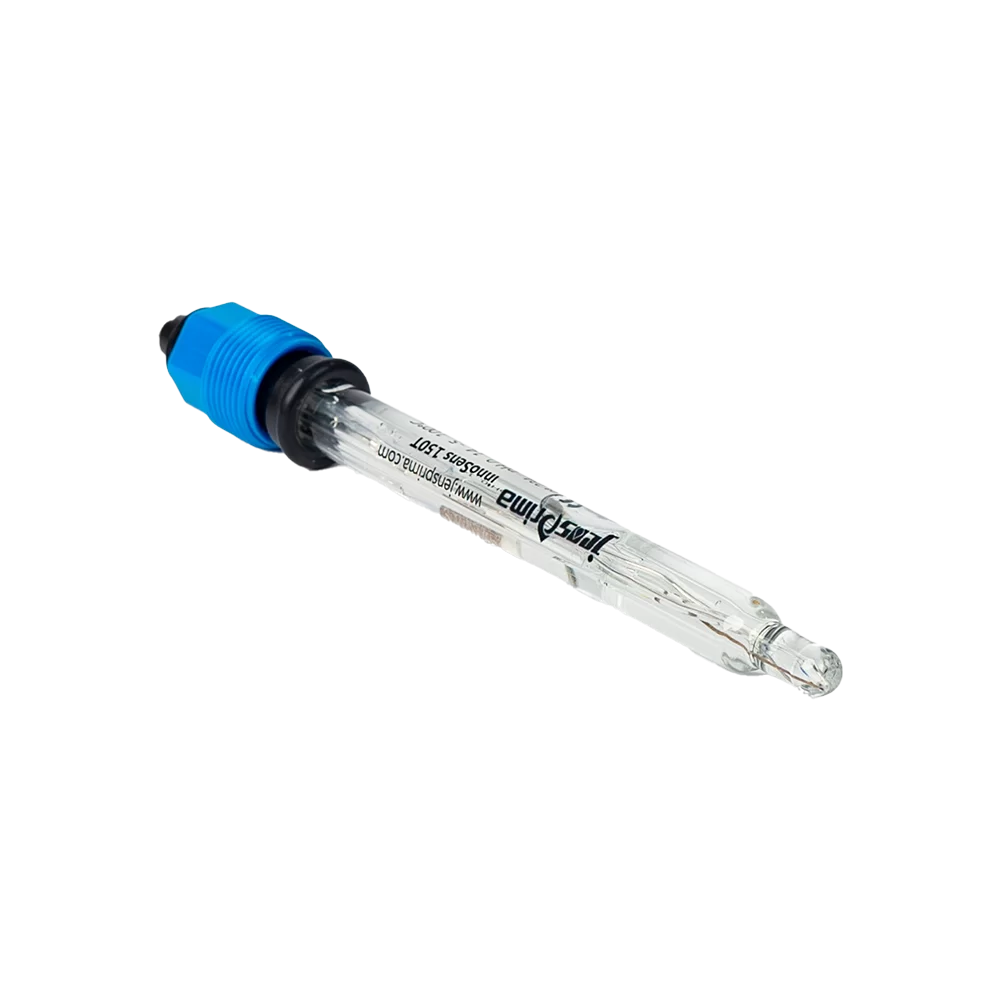
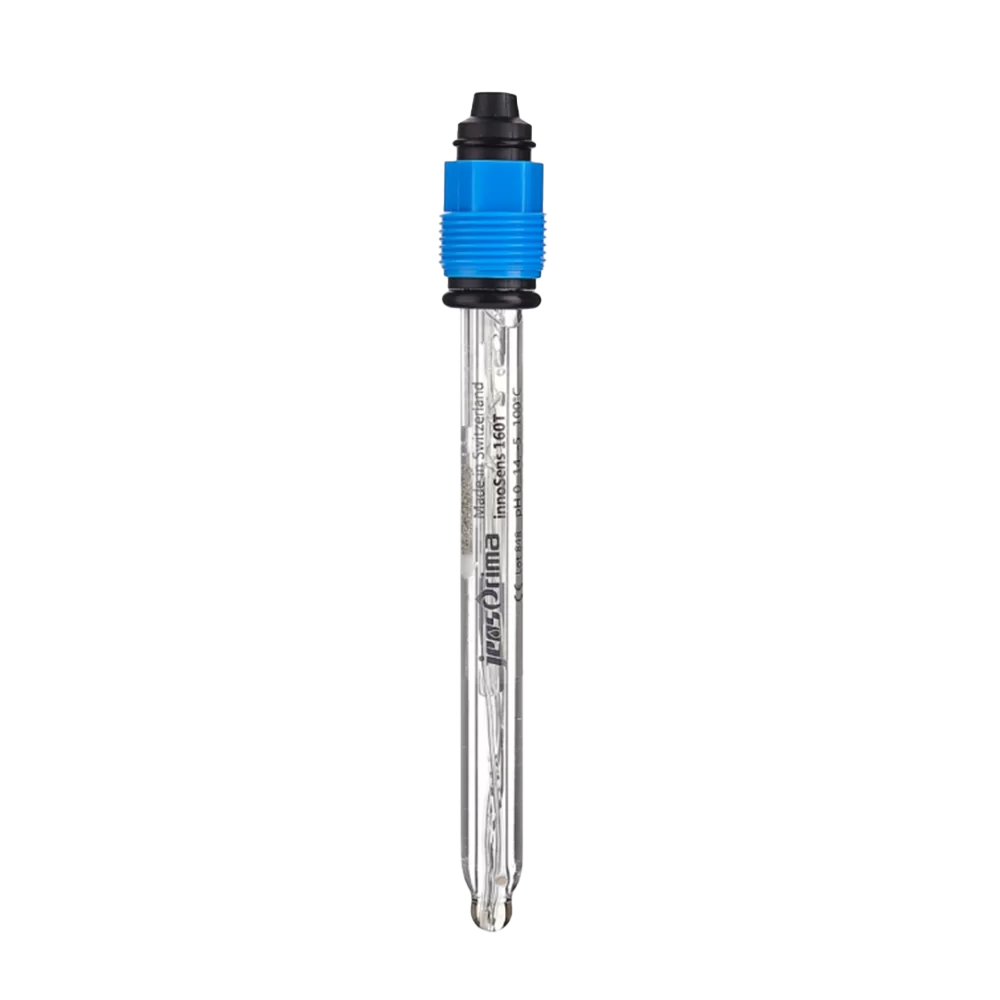
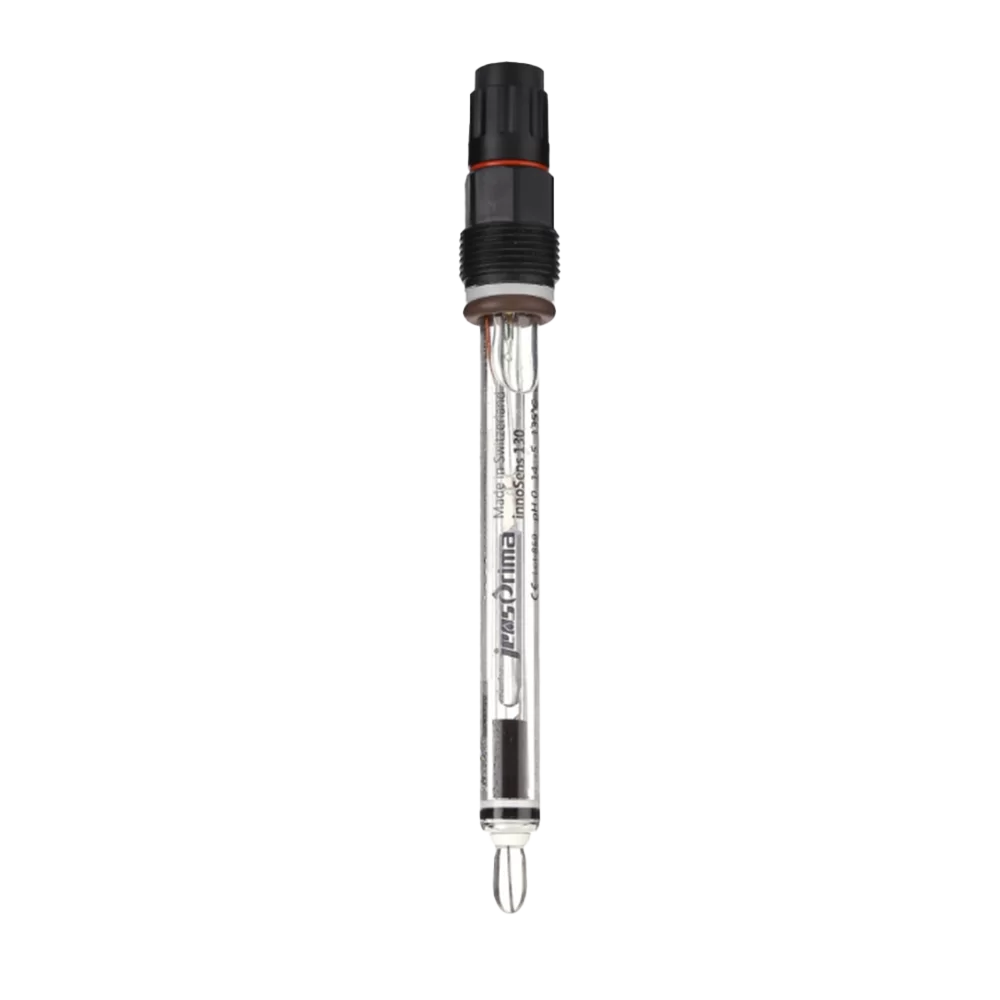
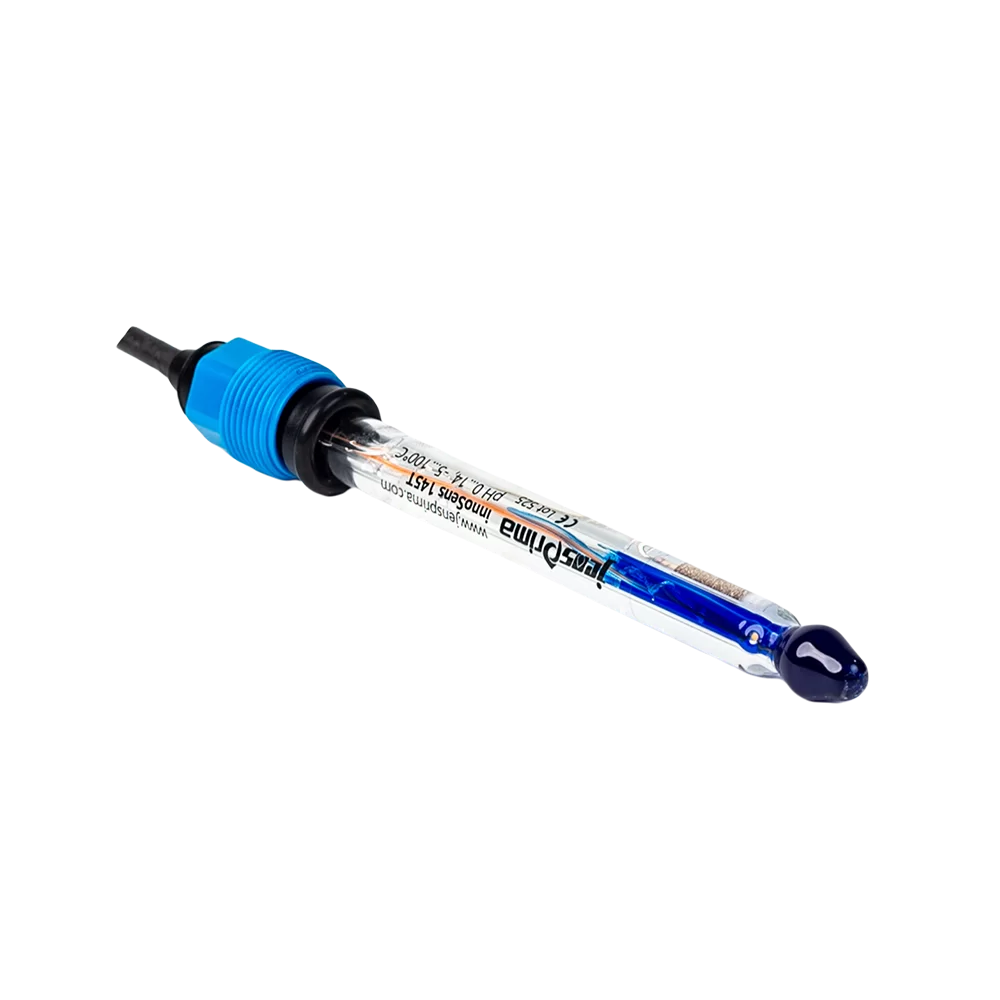
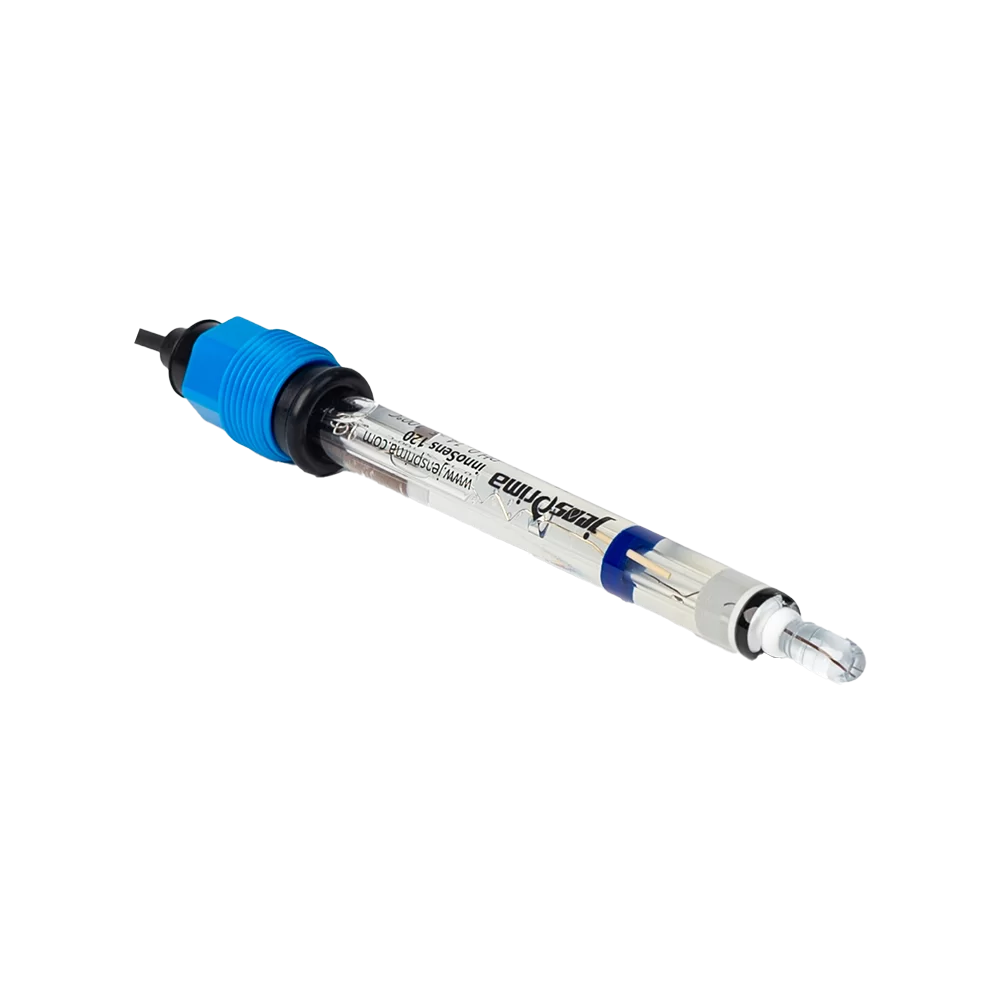
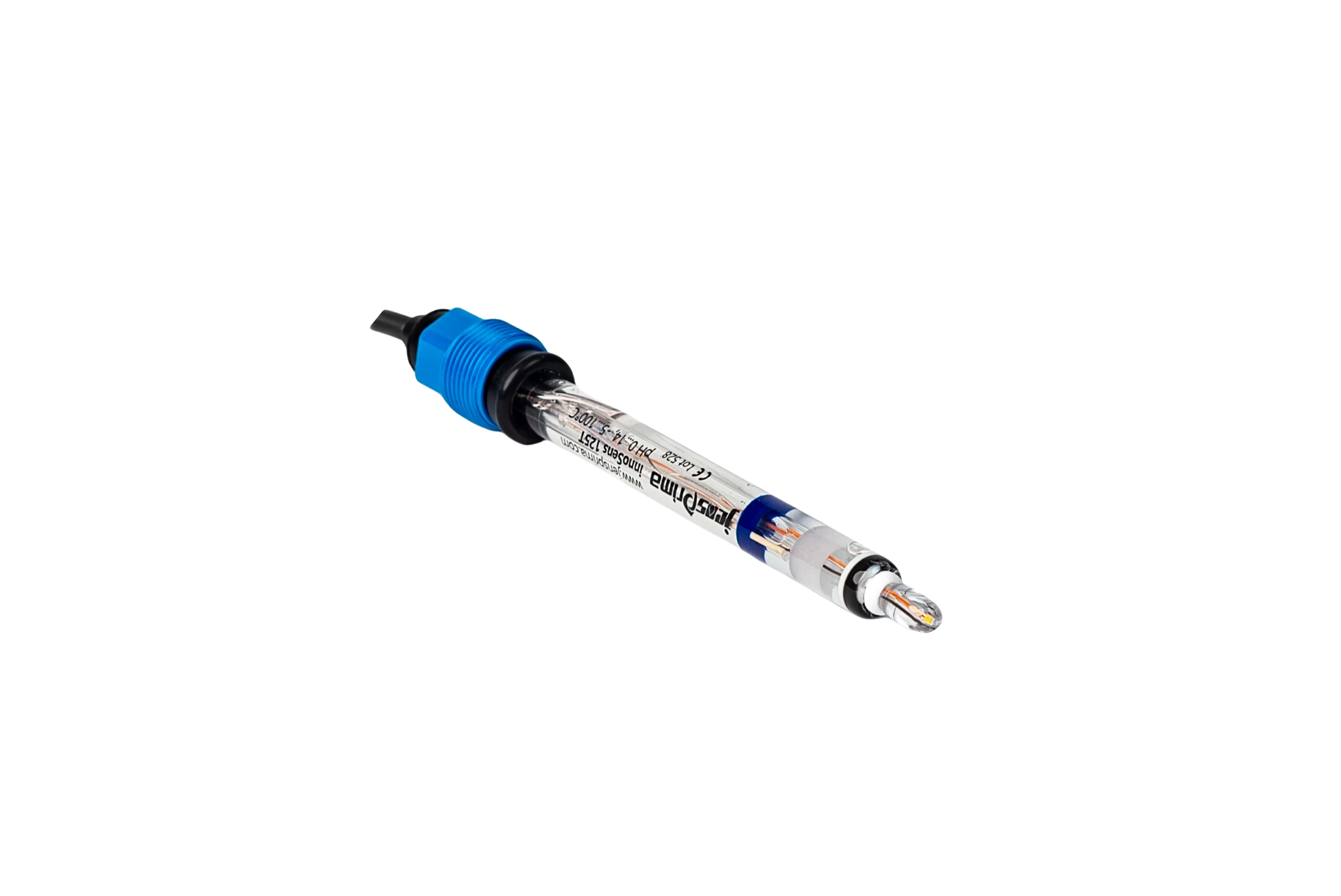
After prolonged use, the pH analyzer displays inaccurate values. How should this be addressed?
A :
Clean the electrode and calibrate it by using pH standard solutions (pH 4 and pH 7).
-
Why does the pH analyzer controller display a temperature of 25°C?
A :
Verify whether the electrode is equipped with temperature compensation and check if the instrument wiring is correct.
-
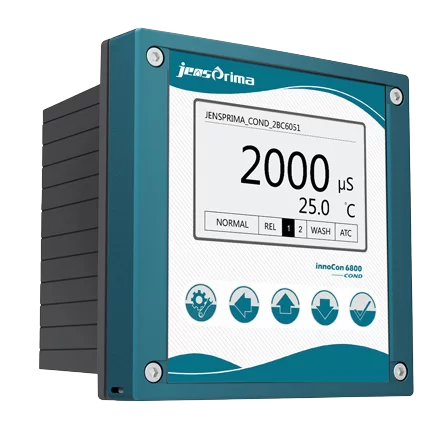
Why does the pH controller show a reading of 99.9?
A :
Inspect the controller or electrode for potential damage.
-
How to resolve the issue of 4-20mA current output faliure from the instrument?
A :
Check the output current or force the current output for testing.
-
How to solve inaccurate readings displayed by the instrument?
A :
Remove the electrode and calibrate it by using a standard solution.
-
What should be done if the instrument reads nothing or show abnormal high values?
A :
Verify the instrument's parameter settings and ensure the measurement range is correctly configured.



 Download
 Video Center
 Technical Services
 FAQS
FAQS Service Network
 Privacy Policy
 Contact Us